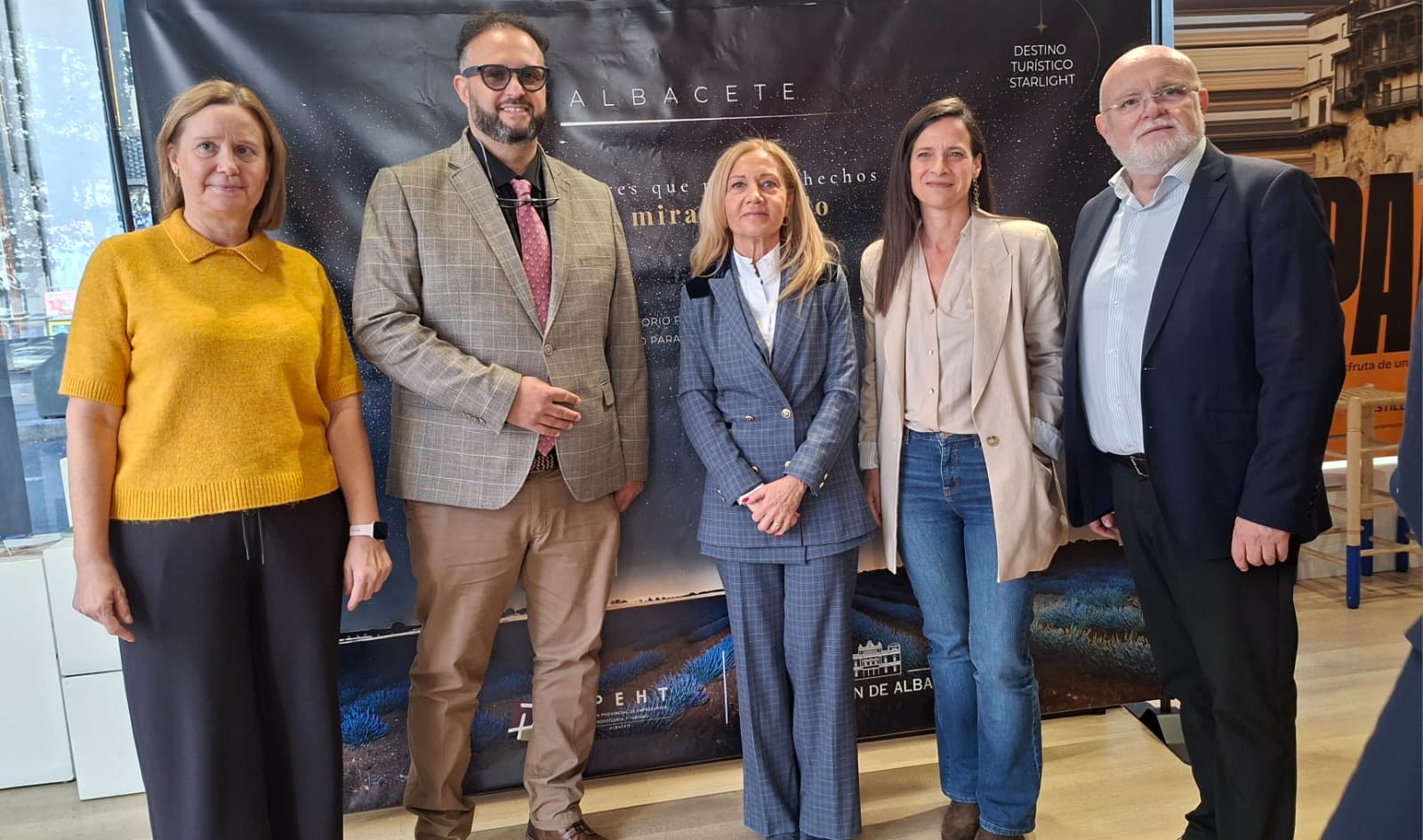
The province of Albacete has presented itself in Madrid as a national reference for astrotourism, boasting full Starlight Certification across its territory. Raquel Ruiz, the provincial deputy for tourism, outlined the efforts made by the Diputación de Albacete to achieve this recognition, which has become a gateway to the region.
The presentation took place at the Castilla-La Mancha Tourism Office in Madrid, promoting Albacete as a premier destination for stargazing. This initiative aims to highlight the potential of its night skies and its commitment to a tourism model linked to nature, landscape heritage, and sustainability.
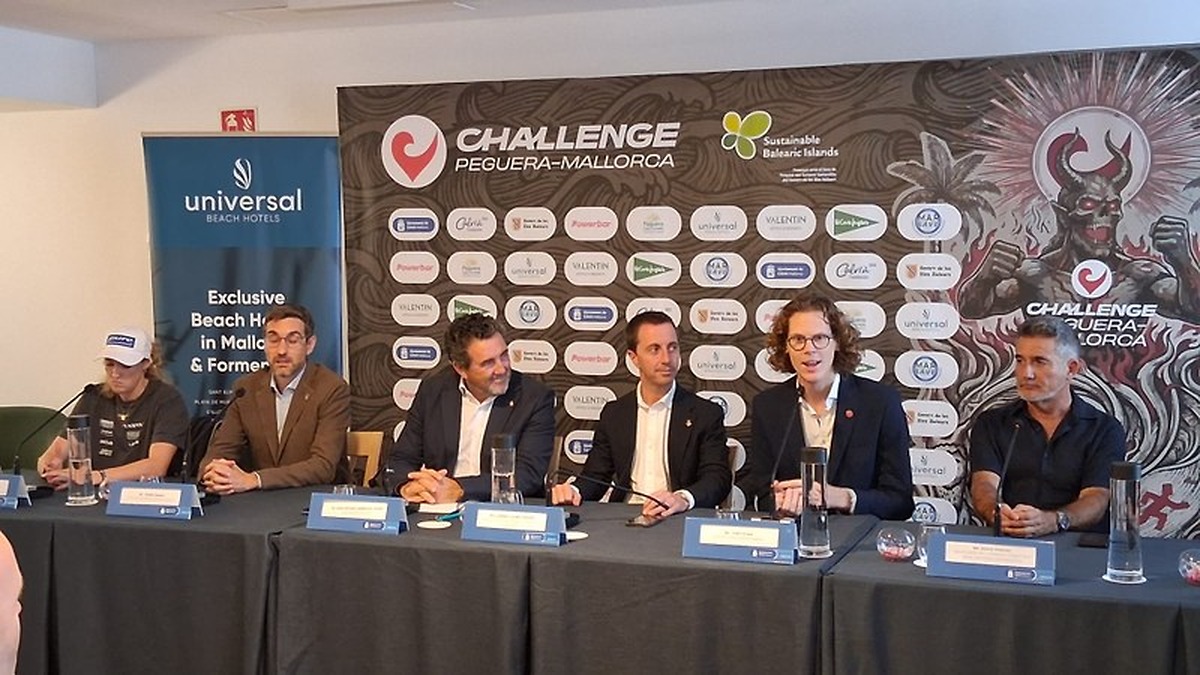
Key figures at the event included Raquel Ruiz, Pedro Antonio Ruiz Santos, the delegate of the Junta de Comunidades de Castilla-La Mancha, Raúl Moreno, the vice president of the Provincial Association of Hospitality and Tourism Entrepreneurs (APEHT), and Antonia Varela, the director of the Starlight Foundation. The event attracted accredited media and content creators from the leisure, travel, and lifestyle sectors.
Raquel Ruiz emphasised the significance of achieving Starlight Certification for the entire province, noting that in 2024, Albacete became the first province globally to have all its regions certified as Starlight Tourist Destinations. This international recognition attests to the quality of its night skies and the region's commitment to their preservation.
She explained the project's development, highlighting the existing advantage of the Telescope Observatory in Nerpio. Ruiz pointed out that they were aware of the region's potential from the outset, stating that every step was taken in collaboration with local municipalities, the regional government, rural development groups, and APEHT. She stressed that maintaining the certification and raising awareness about its importance for local development is an ongoing process.
Ruiz noted that the first two certified regions, Sierra del Segura and Sierra de Alcaraz and Campo de Montiel, have already renewed their certifications, and assessments for the remaining areas are underway. Additionally, the Diputación is enhancing the project by installing Starlight viewpoints in all towns and training Starlight monitors.
She asserted that Starlight Certification has been crucial for the province, stating that astrotourism “opens the door to its promotion and visibility,” encouraging visitors drawn by the night skies to also explore the region's cultural and natural heritage.
Ruiz highlighted that Albacete is one of the provinces experiencing significant growth in visitor numbers and overnight stays, with a reported increase of nearly 400% in foreign tourism over the past year. She attributed this rise to the province's presence at international fairs, supported by the Diputación, the regional government, and APEHT.
Pedro Antonio Ruiz Santos underscored the importance of the Castilla-La Mancha Tourism Office in Madrid, stressing that attracting visitors requires an active commitment to promoting interior destinations and showcasing their unique resources. He noted that interior tourism has evolved from a secondary activity to a vital driver of the regional economy, thanks to the growth of tourist accommodations and the utilisation of natural and gastronomic resources.
Raúl Moreno, vice president of APEHT, highlighted the need for collaboration between public administrations and the business sector to enhance tourism promotion, inviting people to discover Albacete from a different perspective—by looking up at the sky.
Antonia Varela from the Starlight Foundation emphasised the importance of stargazing, a practice that has guided humanity for centuries. She described the night sky as a unique resource capable of generating new tourism experiences, particularly in rural Spain, where stargazing offers opportunities to diversify tourism and attract visitors.
Varela also connected the protection of night skies to the fight against climate change, explaining that reducing light pollution and promoting responsible use of artificial light can lower energy consumption and greenhouse gas emissions, contributing to healthier environments. She advocated for preserving natural darkness as part of environmental heritage and a commitment to sustainable tourism development, concluding with the statement, “Without skies, there is no planet.”