The Ministry of Agriculture, Fisheries and Food has announced the distribution of €69.2 million in agricultural funds to Spain's autonomous communities. This includes €50.1 million from the European agricultural reserve aimed at bolstering assistance for farmers affected by increasing fertiliser prices.
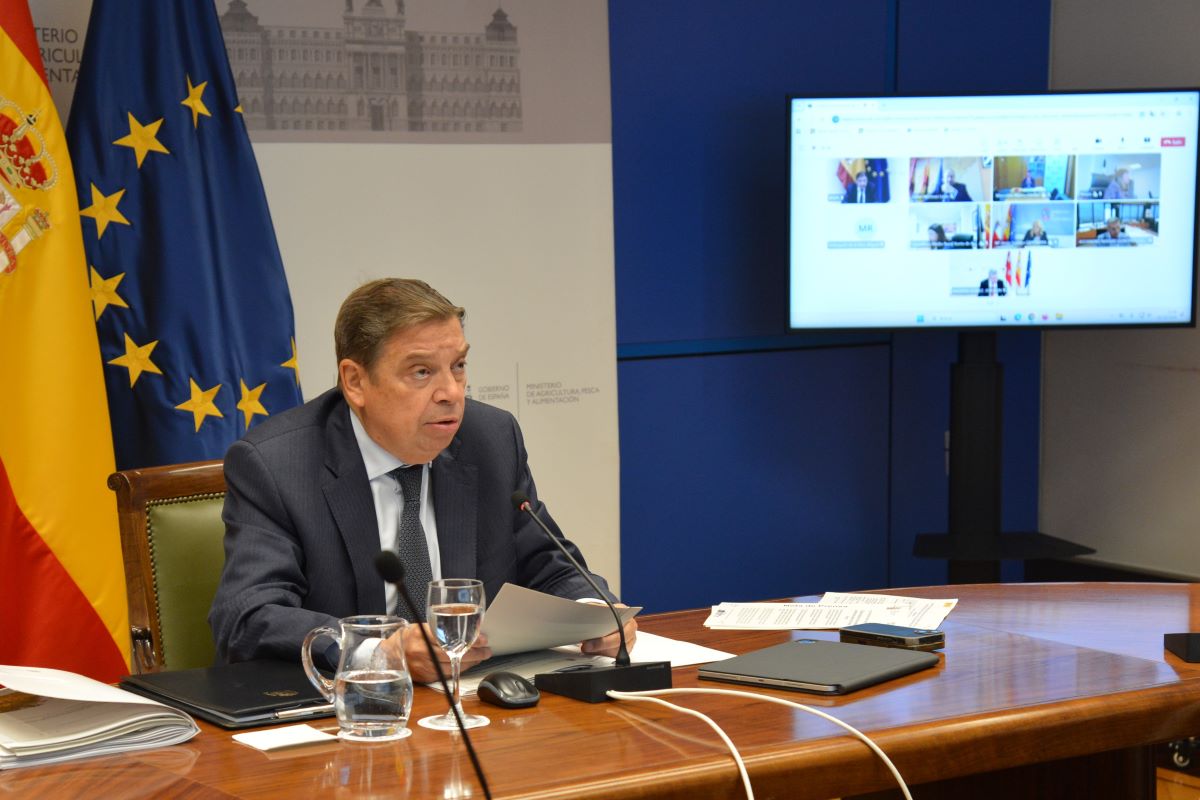
The decision was made during the Sectorial Conference on Agriculture and Rural Development, which agreed on the allocation of these funds. The Spanish government opted to provide these European funds to the autonomous communities instead of implementing a new centralised aid scheme, allowing for greater flexibility in addressing specific agricultural needs within their territories.
The European aid is intended for farmers whose economic viability has been compromised due to the crisis in the Middle East, which has contributed to rising production costs. The funds are to be used for measures that offset increases in fertiliser and energy costs, taking into account the economic losses incurred.
This allocation is part of a broader Comprehensive Crisis Response Plan for the Middle East, initiated by the government with state funds through Royal Decree-Law 7/2026, which has already committed €1.174 billion to support the agricultural and fishing sectors.
Each autonomous community will have the discretion to determine the sectors, areas, and beneficiaries for their allocations, enabling them to enhance support for existing state-aided farms or to implement new initiatives where additional needs are identified. Furthermore, communities can contribute their own funds, up to 200% of their allocation from the agricultural reserve.
The agricultural reserve aid can cover up to 100% of justified additional costs for fertilisers and energy. It is crucial to avoid market distortions and overcompensation with other national or European aids for the same expenses.
The distribution of the €50.1 million has been based on the useful agricultural area reported for 2024 to Eurostat, ensuring a consistent and official statistical reference across all autonomous communities. All regions have expressed interest in utilising the funds and have agreed with the proposed allocations.
Spain notified the European Commission on 30 September 2026 regarding the conditions of the measures proposed by the autonomous communities. Payments from the agricultural reserve must be completed by 28 February 2027, while additional funding from the communities can be disbursed until 31 May 2027.
Additionally, the Sectorial Conference has approved the distribution of €19.1 million for various animal health initiatives aimed at controlling and eradicating diseases. This funding was authorised by the Council of Ministers and includes support for the national programme for controlling and eradicating bovine tuberculosis, as well as compensation for managing outbreaks of avian influenza and contagious nodular dermatitis (CND).
The government's commitment to improving animal health remains strong, with a total of €142 million allocated since 2018 to combat animal diseases.
In related news, the Minister of Agriculture informed the Advisory Council on Common Agricultural and Fisheries Policy about the potential for a political agreement on the future Common Agricultural Policy (CAP) for 2028-2032 during next week’s EU Agriculture Ministers' Council. Spain aims to secure funding equivalent to the current period through mechanisms that could complement the initial allocation.
On fishing matters, the upcoming Council of Ministers will review a report on simplification and implementation presented by the European Commission, which the Minister noted lacks sufficient progress. The Commission is urged to expedite decisions on Total Allowable Catches (TAC) and multiannual quotas to provide the fishing fleet with better predictability and stability.
Spain also reiterates its call for simplification of control regulations and the Common Fisheries Policy, particularly regarding fleet renewal and reducing bureaucratic burdens for accessing funding.
Concerning trade agreements with Southeast Asian nations, including the Philippines, Spain maintains a defensive stance on tuna products, which are particularly sensitive for the country. Any preferential access to the European market must be contingent upon compliance with essential requirements such as environmental sustainability and combating illegal fishing.