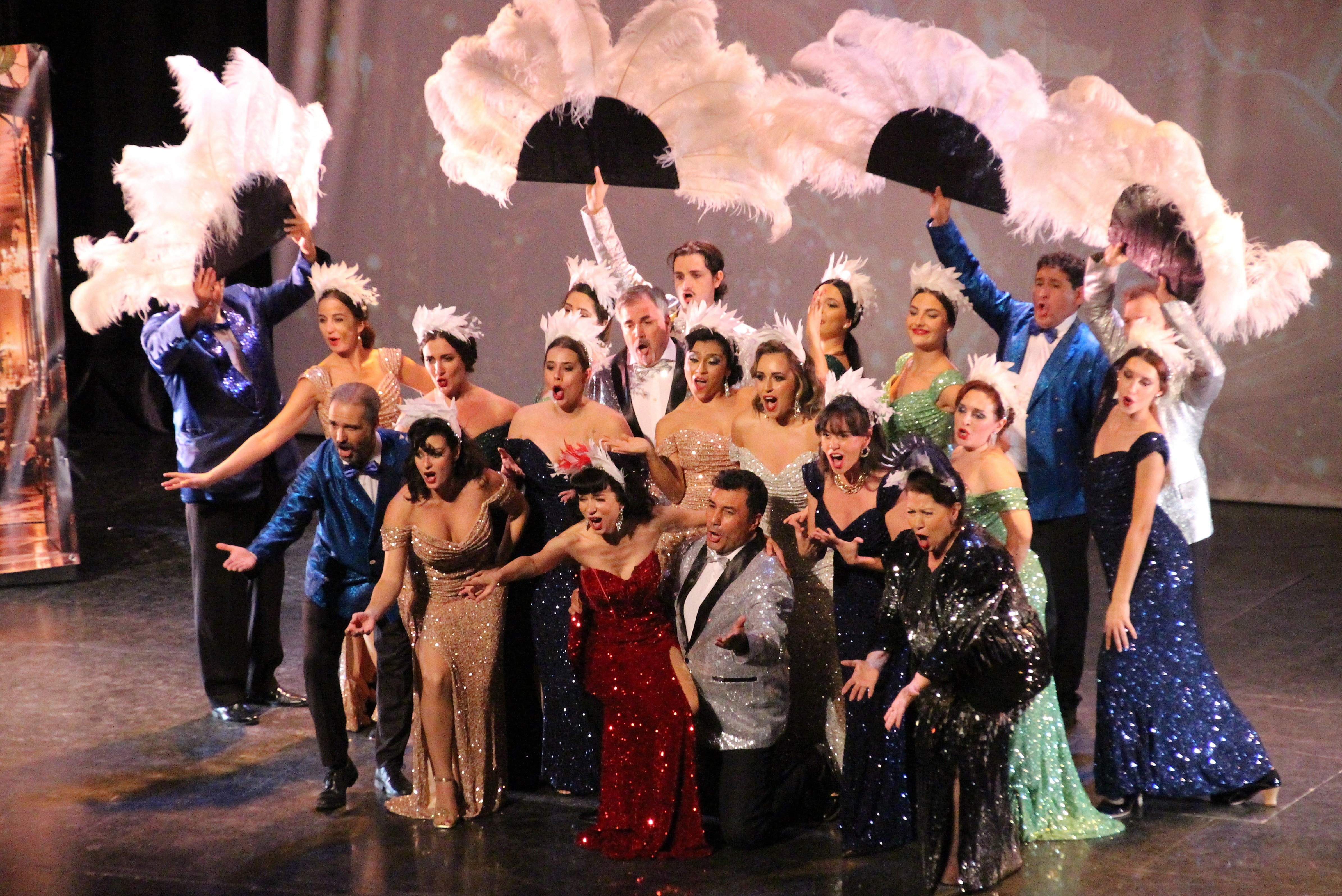
Las Leandras, a revue penned by Francisco Alonso in 1931, made its debut at the National Zarzuela Week in La Solana, enchanting audiences with its vibrant humour and engaging performance. The event took place at the Tomás Barrera Saavedra auditorium, located on Avenida de la Libertad.
Although not a traditional zarzuela, as its musical numbers do not directly connect to the storyline, it shares a close relationship with the genre. Alonso, known for works such as La calesera and La parranda, crafted a piece that, while formatted as a revue, carries the spirit of a 'zarzuela chica'. The original performance occurred at the Pavón Theatre in November 1931, shortly after the establishment of the Second Spanish Republic, and included political references and themes advocating for women's education and divorce rights.
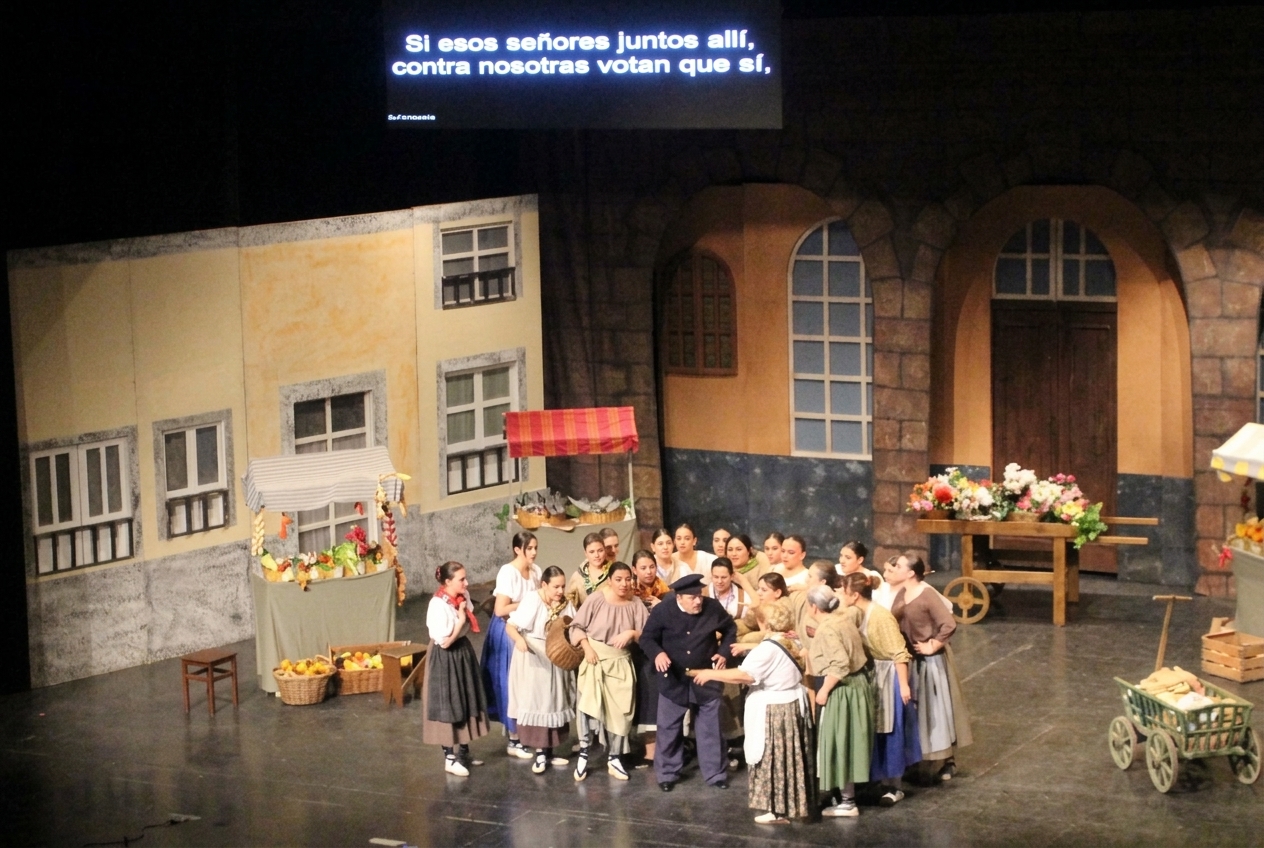
The production was noted for its simplicity, featuring minimalistic sets and a backdrop displaying images of traditional Madrid, which effectively set the scene without overwhelming the audience. The cast delivered a compelling performance, particularly in the portrayal of Concha, a young woman aspiring to succeed in the revue world. To impress her wealthy uncle, who believes she is studying in Madrid, she transforms an old brothel into a girls' boarding school with the help of her company. The mix-up with the brothel's former clients led to comedic moments reminiscent of classic vaudeville.
Alicia Montesquiu shone as the determined Concha, while Lorenzo Moncloa brought charm to the role of Pichi. Both performers demonstrated strong acting skills, essential for their roles, while Moncloa also took charge of the stage direction alongside musical direction from César Belda. The cast included the ever-reliable Amelia Font as Manuela, alongside Carlos Crooke, Ángel Walter, María Garrido, and Aníbal Tartalo, with additional contributions from the ensemble led by Sara García and Laura Galán.
The audience responded enthusiastically to familiar numbers, such as the chotis El Pichi, which elicited smiles and even some audience participation. This piece is said to have been so entertaining that it once caused a session of the Spanish Parliament to be postponed. Another highlight was Los nardos, a parade song immortalised by Celia Gámez, which the audience joyfully sang along to, celebrating its status as a beloved Madrid anthem.
The conductor encouraged the audience to sing an encore of Los Nardos, creating a memorable moment that showcased the auditorium's vibrant atmosphere. This bold choice to include a revue in the zarzuela week without losing its essence was seen as a successful innovation, marking a win for all involved.