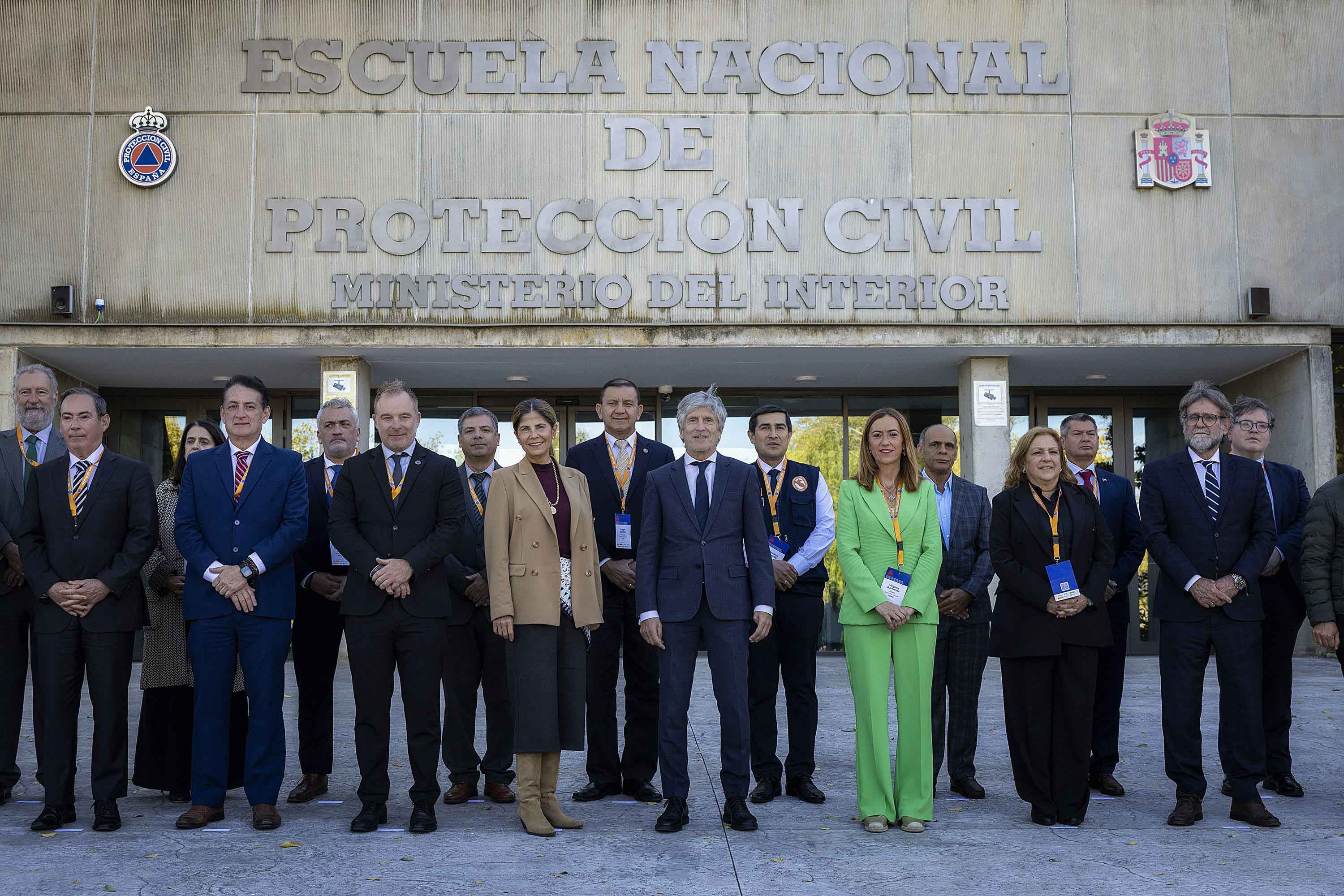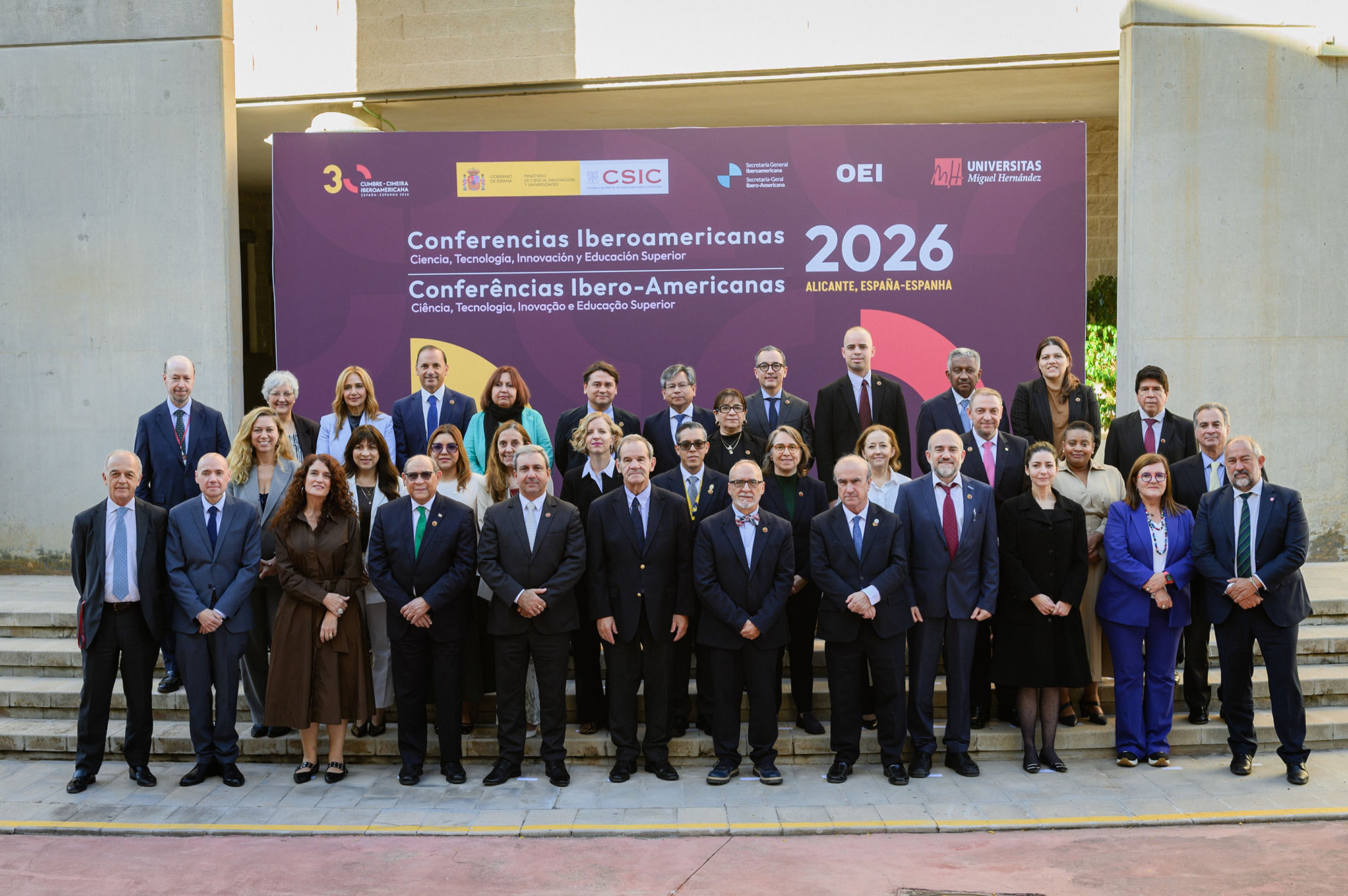
The authorities of higher education and science, technology, and innovation from Ibero-america have convened in Alicante to forge new commitments aimed at enhancing cooperation in doctoral and postdoctoral training. This initiative is part of the Joint Declaration from the II Ibero-american Ministerial Conference on Higher Education, Science, Technology, and Innovation.
The participating ministers and high-ranking officials agreed to launch a pilot project for the Ibero-american Cooperation Programme in Doctoral and Postdoctoral Training. This agreement aims to strengthen the coordination between higher education policies and those related to science, technology, and innovation, thereby promoting balanced talent mobility and fostering greater interaction among universities, research centres, and other stakeholders within the knowledge systems.
The doctoral and postdoctoral programme will commence as a pilot phase to assess its academic, administrative, and financial viability before expanding it into a stable cooperation instrument aligned with Ibero-american Cooperation. The declaration emphasises that doctoral training has a "multiplier effect" on the scientific capabilities of the countries involved and is crucial for strengthening the region's research capacity.
Juan Cruz Cigudosa, Spain's Secretary of State for Science, Innovation, and Universities, stated that this declaration "responds to a logic of connecting training, mobility, and professional development for research staff." He highlighted the need to train new generations of researchers and facilitate their collaboration with institutions in other countries, ensuring they have the best conditions to develop their talents.
Cigudosa concluded by noting that the value added by the Joint Ministerial Conference lies in the agreement among those responsible for universities and science on how to improve training, mobility, and working conditions for research staff. He remarked, "Ibero-america cannot afford to train talent only to lose it. With the doctoral and postdoctoral training programme and the future Charter for Research Staff, we want knowledge to circulate among our countries and remain in the region. In Valencia, we set the course. In Alicante, we begin to execute it."
Andrés Allamand, the Ibero-american Secretary General, echoed this sentiment, stating that the region is committed to retaining talent and ensuring that it contributes to local development.
Mariano Jabonero, Secretary General of the Organisation of Ibero-american States for Education, Science, and Culture, pointed out that the organisation has been making significant efforts to strengthen doctoral training in Ibero-america through the Paulo Freire Plus scholarship programme, which has already benefited 25 researchers across the region. He noted that the return of the first doctors is yielding tangible results, such as their contributions to pension system reforms in Costa Rica and the electrification of public transport in Honduras, highlighting the importance of investing in research talent.
The Ibero-american countries have also agreed to continue defining a Charter for Research Staff, which will serve as a common framework of principles and rights to enhance the recognition of the profession, harmonise criteria, and facilitate mobility. This aims to create a more integrated Ibero-american research ecosystem.
Furthermore, the conference made progress on gender equality issues, with countries committing to monitor and evaluate structural measures for gender equality in their higher education and science policies. They will systematically collect information about their institutional plans and structures to establish a regional overview of gender equality policies for the first time. Key challenges to be addressed include creating more comprehensive indicators, reviewing academic career evaluation criteria, and promoting vocations free from stereotypes.
The declaration tasks the Ibero-american General Secretariat (SEGIB), in collaboration with the OEI and the CYTED Programme, to promote, coordinate, and monitor the agreements, supported by the associated programmes, initiatives, and projects, as well as Ibero-american networks. This meeting in Alicante follows the first Joint Ministerial Conference held in Valencia in 2024, which set a shared agenda and introduced the Ibero-american Cooperation Programme for Doctoral and Postdoctoral Training, the Charter, and work on gender equality. This agenda now moves into the execution phase.