The provincial delegate for education, culture and sports, José Caro, has highlighted the significance of the Festival de Cine Español Emergente de Castilla-La Mancha (fecicam) as a platform to boost audiovisual talent and offer opportunities to emerging creators. This year, ciudad real boasts six works among the 24 finalists in the festival's seventeenth edition.
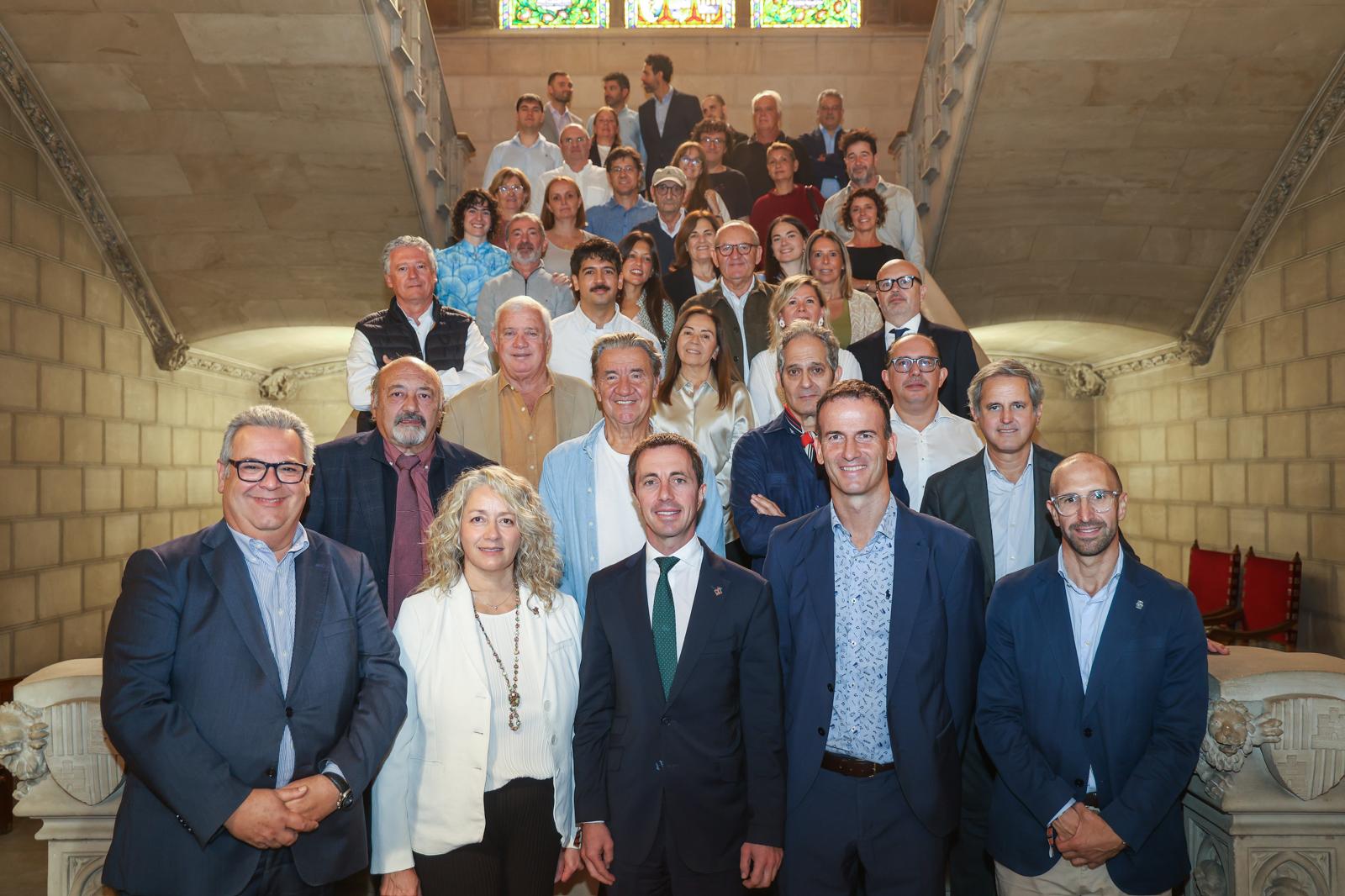
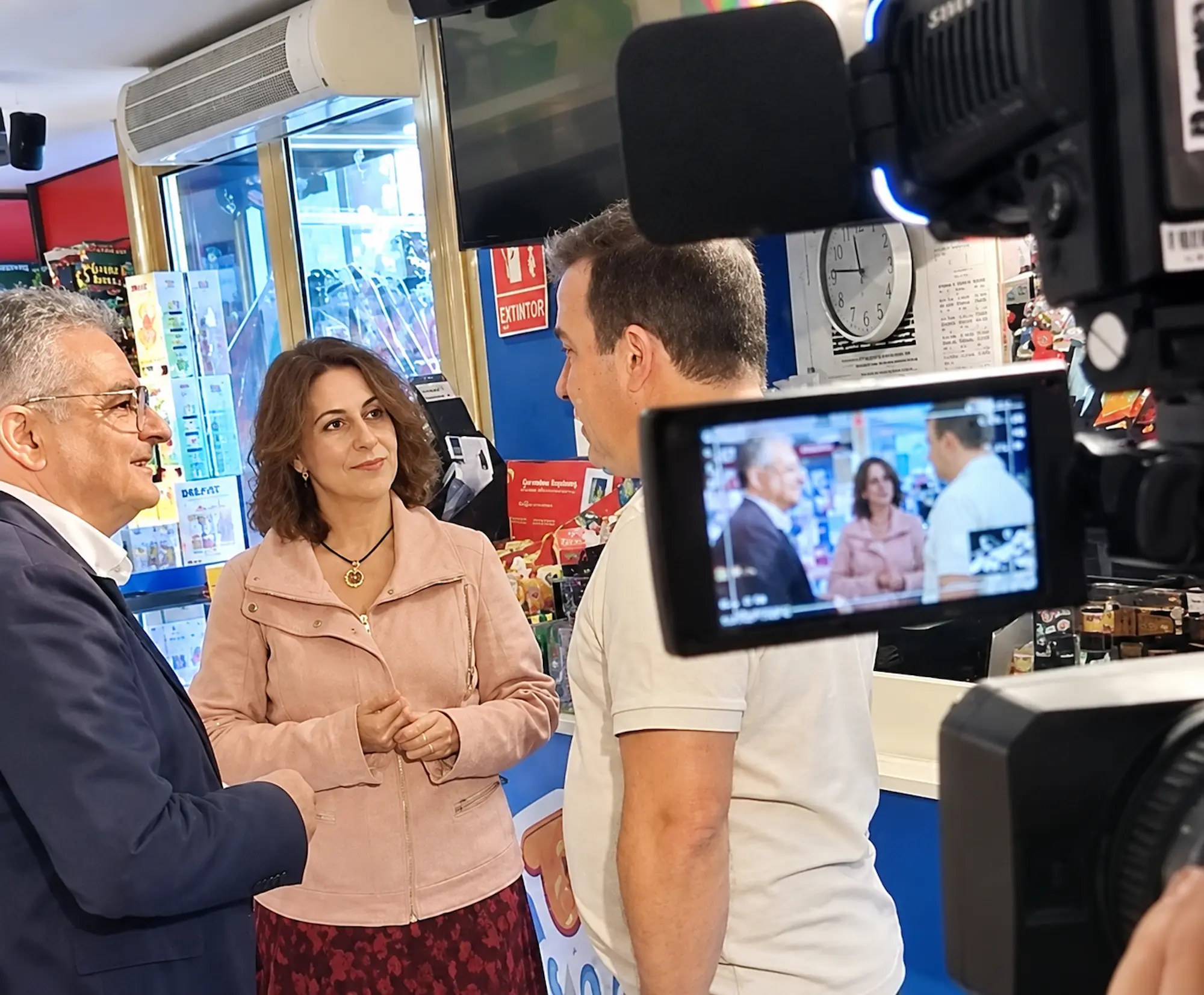
During the festival's presentation alongside its president, Alvar Vielsa, and the vice president of the Diputación de Ciudad Real, Sonia González, Caro stated, “What is truly important is not just having reached this point, but having done so while maintaining a unique identity, growing in quality, and demonstrating a remarkable capacity to evolve and reinvent ourselves.”
Caro praised the trajectory of fecicam and its contribution to promoting new filmmakers, asserting that the festival “does not wait for talent to gain recognition to provide visibility; it contributes to making that recognition possible.” He congratulated Vielsa and the entire organising team for their dedication and perseverance over the years, noting that the festival has secured a significant place in the cultural landscape of Castilla-La Mancha.
The seventeenth edition of fecicam will feature 24 finalist works across seven categories, including fiction, documentary, animation, and series. Six of these works are by directors from ciudad real, a fact Caro described as “fantastic news,” as it demonstrates that “there is talent here, with individuals possessing artistic aspirations and the ability to tell stories, eager to develop their professional careers from our region.”
Some of these works stem from training processes at the Escuela de Cine y Audiovisuales de Ciudad Real, showcasing how education can open doors to creation and the importance of providing real opportunities for professional development.
Caro emphasised that fecicam is much more than a film programme; it serves as a meeting point for professionals, fosters new collaborations, and contributes to strengthening the cultural and audiovisual fabric of the region. He reaffirmed the Castilla-La Mancha government's commitment to culture and the promotion of the audiovisual industry, with this year's edition receiving financial support of €10,890.
He stated, “Our support is not only financial; it is also institutional because we recognise the cultural value of fecicam and believe it is important for initiatives like this to remain part of the cultural life of ciudad real and Castilla-La Mancha.” He expressed the conviction that “culture should not be seen as a luxury or something reserved for a few. It is a right of citizens, a tool for social cohesion, and also a source of opportunities and economic development.”
Caro also noted that supporting audiovisual creation contributes to employment, economic activity, and the development of a growing industry, ensuring that those wishing to pursue a professional career in this field can find opportunities in Castilla-La Mancha.
He highlighted the work of the Castilla-La Mancha Film Commission, which since its establishment in 2017 has facilitated film shoots and production activities in the autonomous community. Currently, this body supports around 40 shoots and audiovisual productions each month and handles over 500 annual inquiries from producers interested in working in Castilla-La Mancha. In ciudad real, it has assisted eight shoots so far this year.
A film shoot not only means that our landscapes, towns, or heritage appear on screen; it also signifies activity for businesses, opportunities for professionals, movement in the hospitality sector, and an extraordinary way to project the image of our region.
In his address, Caro focused on the importance of bringing film and audiovisual creation into the educational sphere. Currently, Castilla-La Mancha has 5,114 students enrolled in courses related to this sector, including vocational training in image and sound, audiovisual creation subjects in secondary education, and artistic education.
He praised the educational dimension of fecicam, which includes free training activities and a section dedicated to works linked to schools, workshops, and new creators, asserting that “culture must offer opportunities for enjoyment, but also for learning, participation, and creation.”
Finally, José Caro invited the public to visit Cines Las Vías between 27 and 29 October to discover the offerings of this edition and support those beginning their cinematic journeys.