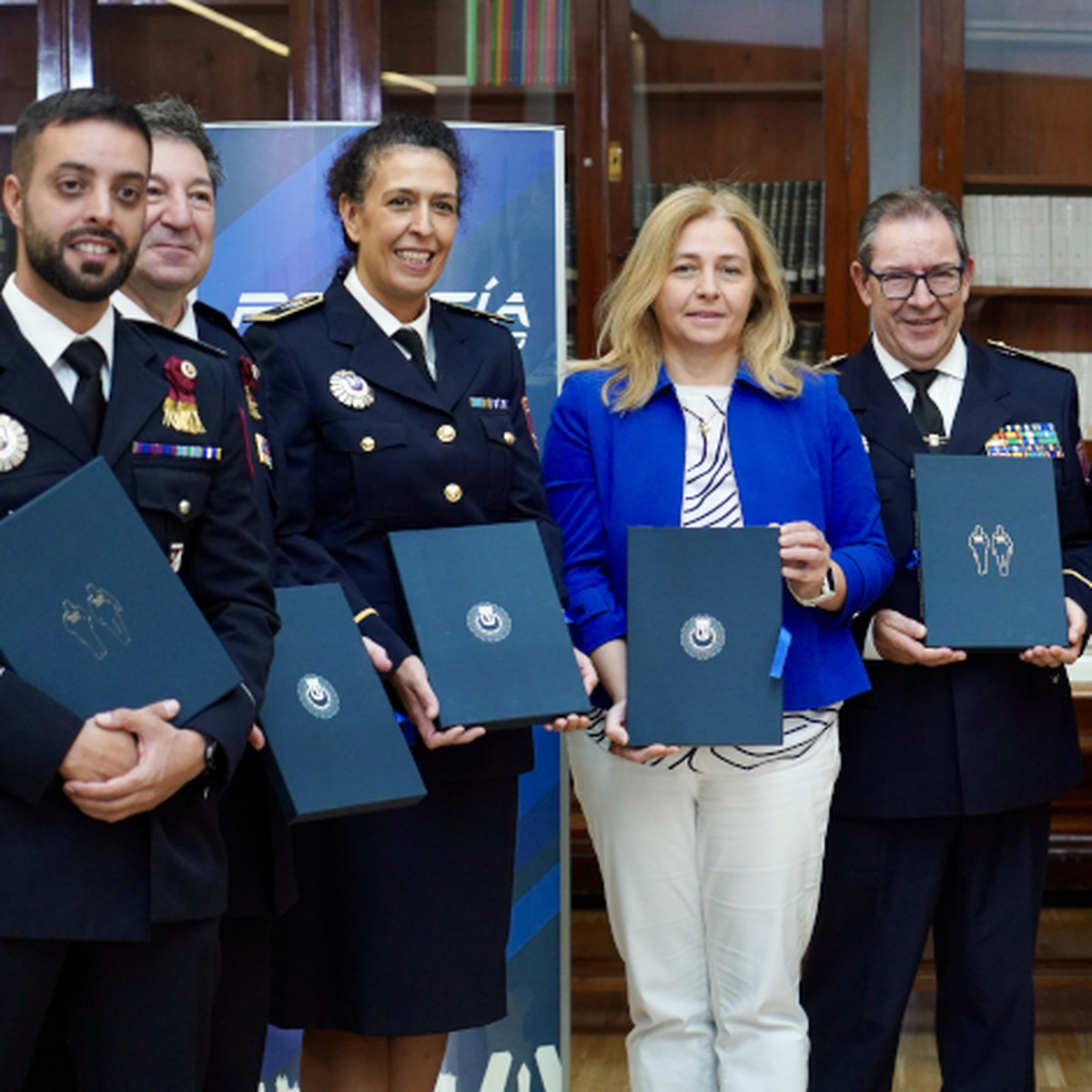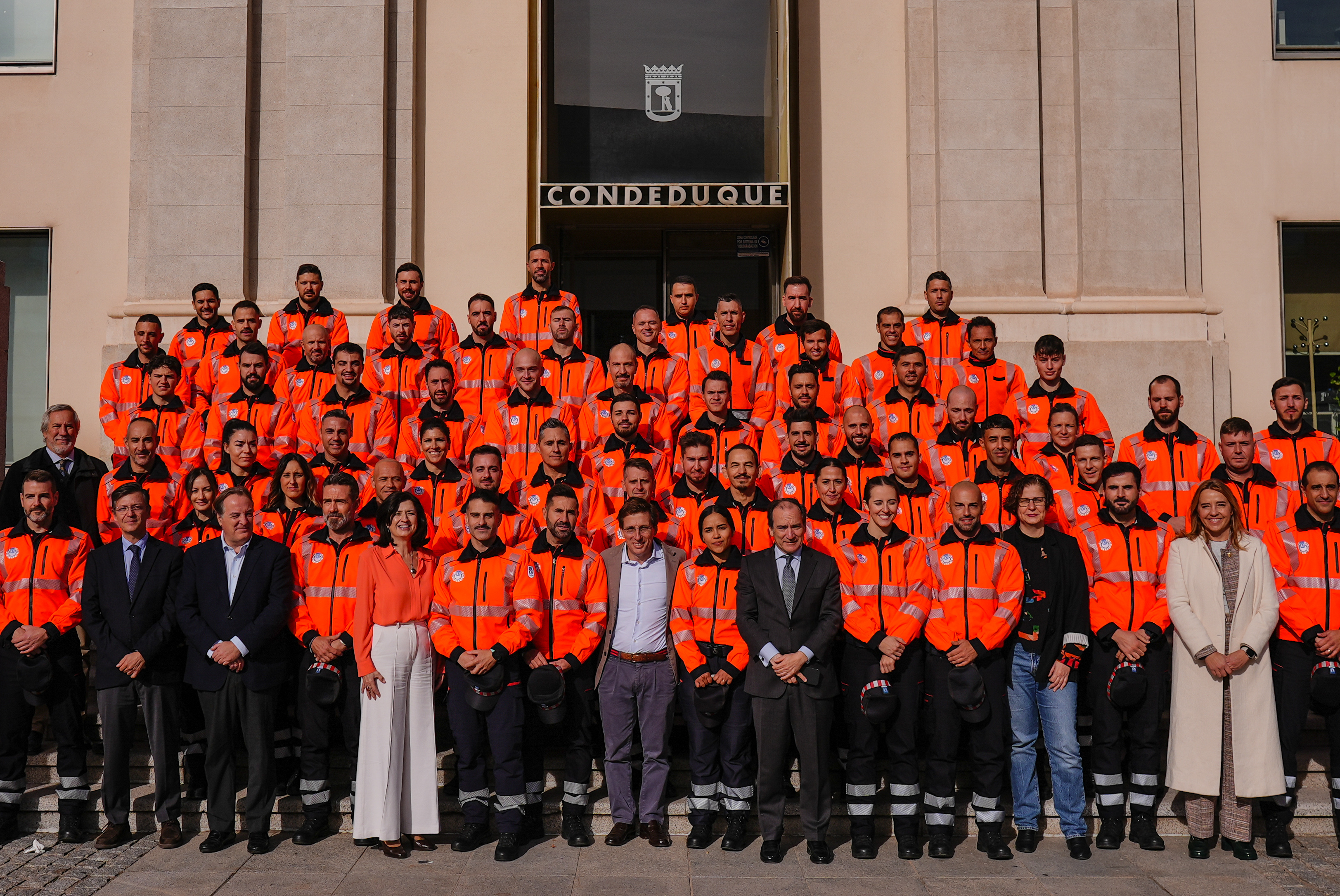
The mayor of Madrid, José Luis Martínez-Almeida, presided over a welcome ceremony on Friday for 86 new mobility agents at the Conde Duque courtyard. This group represents the sixth promotion of the mobility corps, which is undergoing a renewal process as part of the current administration's efforts to enhance city mobility.
Almeida highlighted the importance of these agents in a city that experiences 14 million daily movements, stating their role is "absolutely fundamental" to ensure that residents can travel easily. He expressed gratitude for their efforts in successfully navigating a challenging selection process and noted that these agents are present on the streets every day of the year, making life easier for all Madrileños.
This latest intake follows the addition of 22 agents in 2025 through a free entry process, bringing the total to 86 new recruits from a pool of 985 applicants. Currently, there are ongoing selection processes for an additional 201 agents through two open competitive examinations and one reserved for military personnel. The aim is to reach a total of 760 agents by 2027, restoring the corps to its maximum capacity since its establishment in 2004.
As of 2025, prior to these new incorporations, the mobility corps consisted of 453 members. These agents play a crucial role in regulating major traffic routes in Madrid and are involved in managing events, construction projects, and public space occupations. Their responsibilities include overseeing significant events such as the NATO Summit, the visit of Pope Leo XIV, and the Formula 1 Grand Prix, as well as urban transformation projects like the underground section of the A-5 and the future Southwest Greenway.
Additionally, they work to protect spaces reserved for individuals with reduced mobility, provide information on traffic regulations, and promote road safety education. This has led to a high approval rating among citizens, with a recent survey in 2025 giving the mobility agents a score of 9.06 out of 10, an increase from 8.92 in 2024.
In terms of resources, the mobility corps currently operates a fleet of 309 vehicles, including three electric vans, 44 electric cars, 122 electric motorcycles, 91 combustion motorcycles, and 49 bicycles, 35 of which are electric.