Cuenca province has established a comprehensive library service comprising 88 municipal libraries, the Fermín Caballero State Public Library, and two bibliobuses that traverse 102 municipalities. Together, these services cater to a population of approximately 190,000, enhancing access to reading, information, and culture in both the capital and smaller towns.
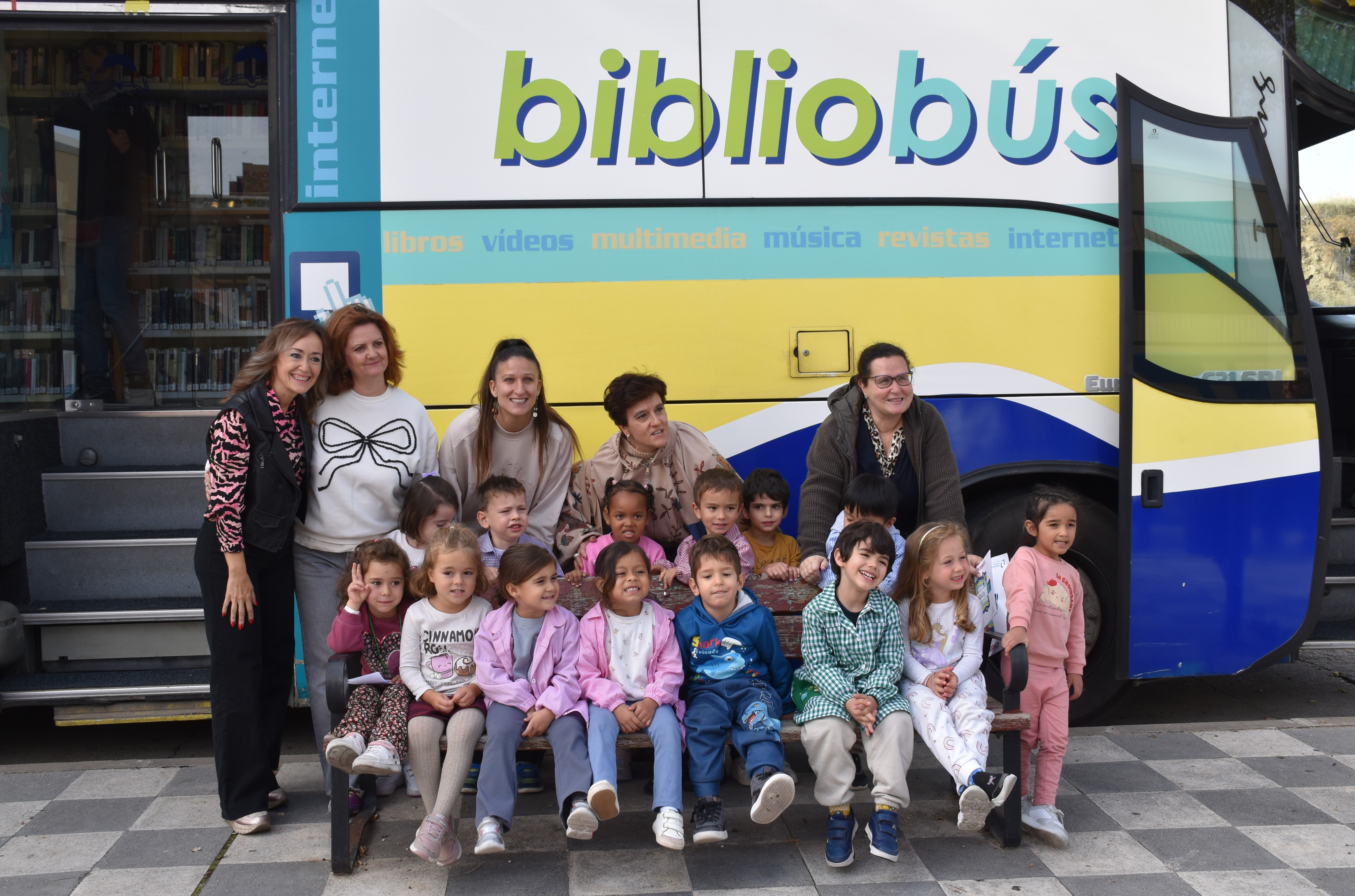
In celebration of Library Day on 24 October, one of the bibliobuses visited the CEIP ‘Isaac Albéniz’ school in Cuenca, where around 120 preschool children had the opportunity to learn about the workings of a mobile library and engage with books in a unique way. The provincial coordinator of Culture, Yolanda Rozalén, attended the event, which highlights the significance of libraries and the professionals who operate them. She was joined by the school director, Juan Carlos Sánchez, and the bibliobus technician, Arancha Ruiz, along with school staff.
Bibliobuses: extensive reach and significant impact
The two bibliobuses in Cuenca cover 40 routes and make 108 stops across 102 municipalities, travelling approximately 6,350 kilometres each month. The service reaches even the smallest villages, such as Vindel, which has just 19 residents, and serves 26 schools as well as the Infanta Elena Special Education Centre. In 2025, the bibliobuses recorded 15,830 loans and served 5,305 users, including 2,401 children. Their bibliographic collections comprise 32,274 items.
The service is complemented by initiatives such as 'Pide & Recibe', which allows users to request books for home delivery, and eight reading clubs that engage 98 participants in municipalities with fewer than 350 inhabitants.
Fermín Caballero Library's cultural contributions
The Fermín Caballero State Public Library, managed by the Junta de Comunidades de Castilla-La Mancha, welcomes around 200,000 visitors annually and houses 280,270 documents. In 2025, it recorded 32,864 registered users, facilitated approximately 80,000 loans, and organised 1,186 cultural activities, attracting over 40,000 attendees. Its metrics for collections, visits, loans, and activities per capita exceed national averages.
The provincial network is further supported by the 88 municipal libraries, which operate under their respective town councils and can access regional government funding to hire staff, acquire bibliographic materials, enhance facilities, and organise cultural activities. One such library is located at the CEIP ‘Isaac Albéniz’, where the Municipal Library of Villa Román is situated.
Significance of Library Day
Library Day, celebrated on 24 October, underscores the importance of libraries not only as access points for books, information, and culture but also as community hubs that foster social engagement. Yolanda Rozalén emphasised the vital role of libraries in rural areas, stating, “In many of our villages, the library is much more than a place to borrow a book. It serves as a key cultural activity space and a meeting point where people can gather, converse, and feel part of the community. Reading clubs, workshops, and other activities create connections among individuals and help combat loneliness, particularly among our elderly.”
Rozalén expressed gratitude for the commitment of local councils that keep municipal libraries open and highlighted the dedication of the professionals managing these services, who build relationships with users and ensure that libraries remain vibrant and accessible spaces.