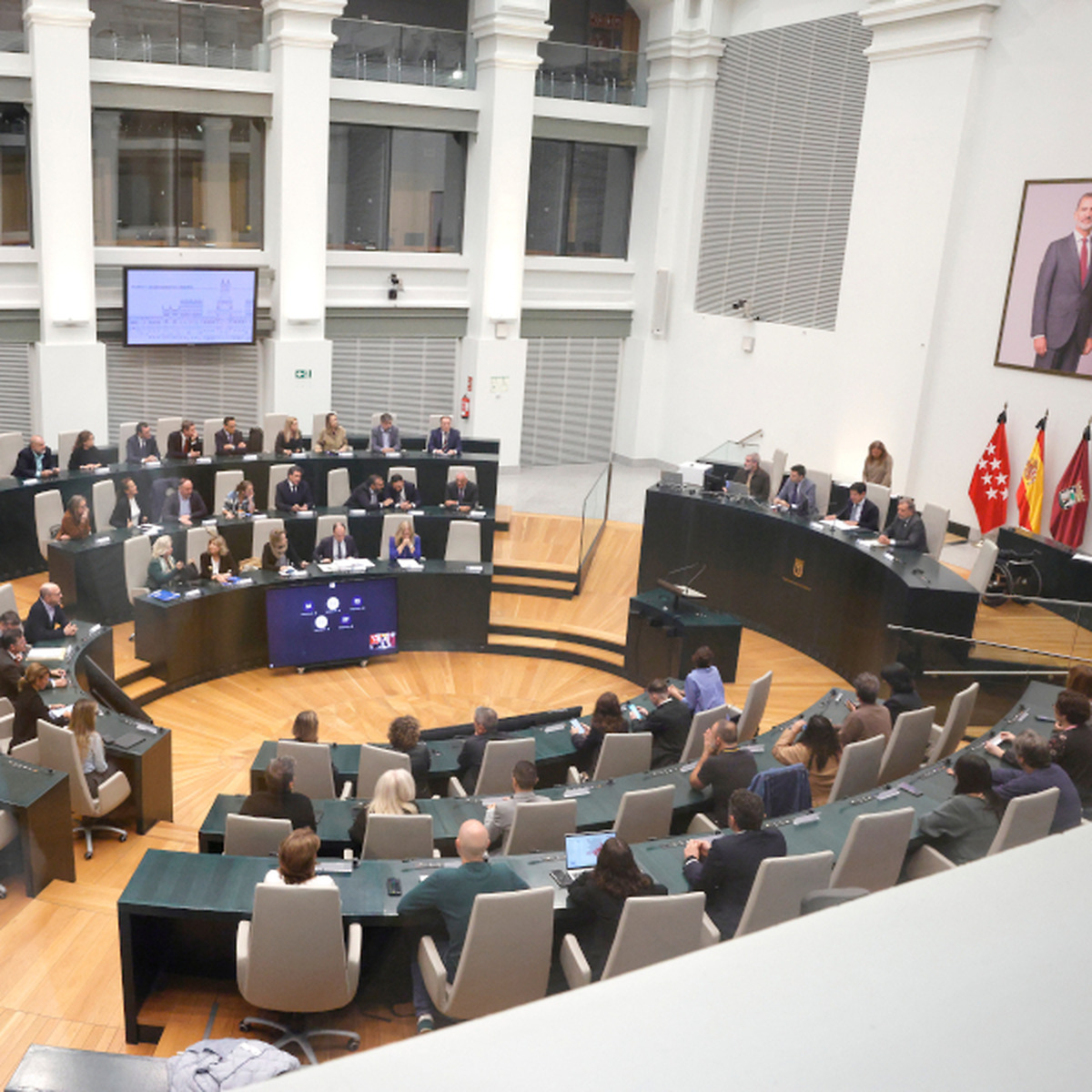
The Ayuntamiento de Madrid has convened an extraordinary Pleno to randomly select 32,715 citizens who will serve on electoral tables for the upcoming elections to the Cortes Generales on 29 November. This selection process was conducted using a computerised draw, which established the order of selection for electors who will assume the roles of president and members at each electoral table, along with designated substitutes.
The draw identified the necessary individuals to fill the 3,635 electoral tables across 437 polling stations in Madrid. This represents an increase of three polling stations compared to the last European Parliament elections and 21 more than the previous general elections. The rise in numbers is attributed to the unavailability of certain polling locations due to renovation works during the July 2023 elections. This time, 157 additional tables will be set up.
Serving as a member of an electoral table is mandatory, and any excuses for not accepting the role must be documented and submitted to the Junta Electoral de Zona de Madrid. Each table consists of a president and two members, with two substitutes appointed for each role. In total, nine electors are designated per table, although only three will be active on election day.
Selected individuals will receive a notification at their home address, which will require acknowledgment of receipt. To facilitate the process, notifications will also be accessible through the electronic headquarters of the Ayuntamiento, avoiding the need to visit a post office in case of absence. Subsequently, a manual detailing the responsibilities of table members will be sent to them.
Excusable reasons for declining the role are outlined in Instruction 6/2011 from the Junta Electoral Central, which includes conditions such as having a disability of 33% or more, having served on a table at least three times in the past ten years, being on duty as medical or healthcare personnel, or experiencing significant family-related burdens.
Failure to appear on the designated election day is considered an electoral offence, punishable by imprisonment of three months to one year or a fine ranging from six to twenty-four months. Those who ultimately serve as president and members of the electoral table are entitled to paid leave on election day if it coincides with their work schedule, a five-hour reduction in their work hours the following day, and a compensation of €75.