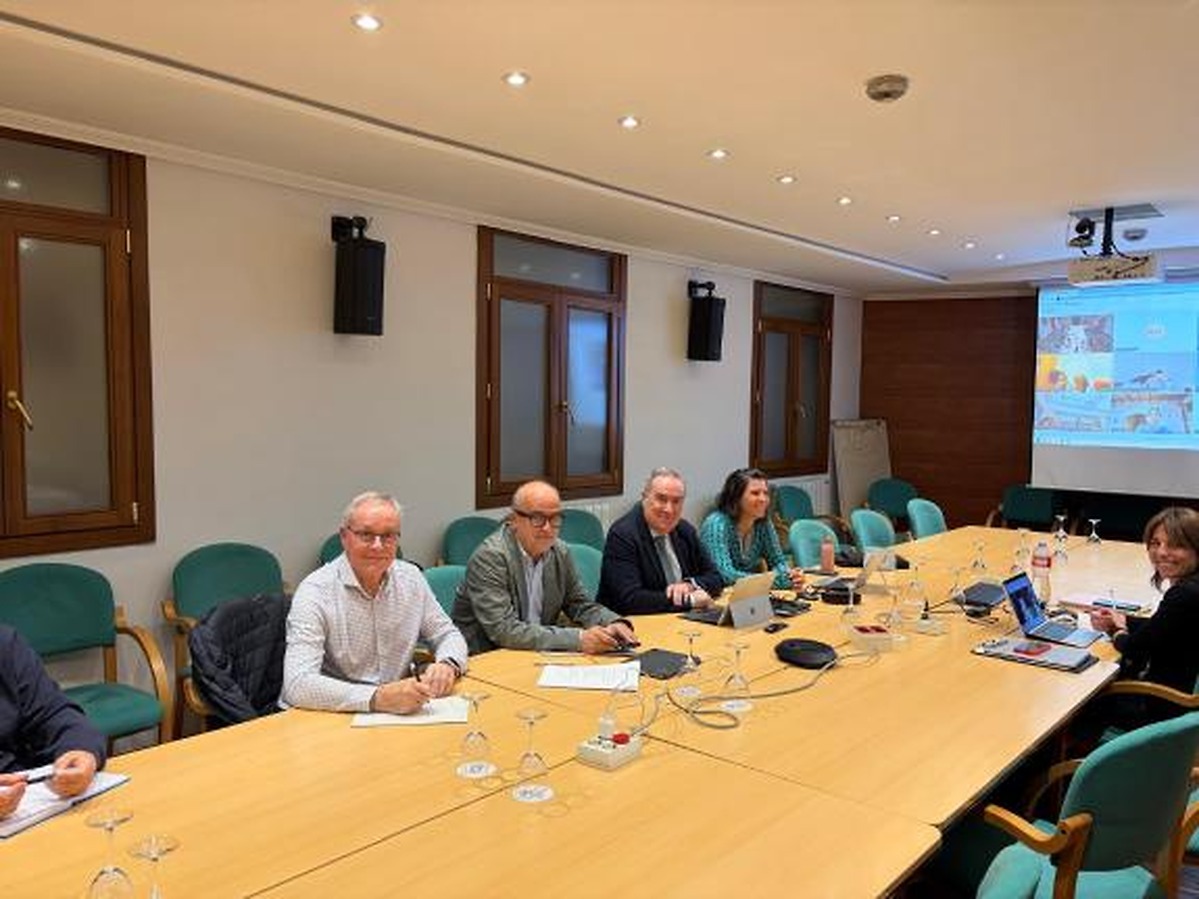
During the first Ibero-American Ministerial Meeting on Digital Transformation and Artificial Intelligence (AI), held in Madrid, Ibero-American countries have agreed to establish the Ibero-American Artificial Intelligence Alliance. This regional agreement aims to strengthen digital and cultural sovereignty and will facilitate the development of a common agenda on AI.
The agreement will be presented for adoption at the upcoming XXX Ibero-American Summit of Heads of State and Government, scheduled for 4-5 November in the Spanish capital. The alliance is open for voluntary adherence by member states of the Ibero-American Conference.
Key objectives of the alliance
The newly formed alliance will focus on three main areas:
- Cooperation for access to quality data, respecting the regulations and control of each country.
- Development of AI models tailored to the languages and needs of Ibero-America.
- Collaboration on computing capabilities to support useful applications for researchers, administrations, and businesses.
This initiative will support the creation of an Ibero-American Data Space aimed at developing public interest AI systems for the region. By leveraging data, documentation, and knowledge sources that reflect local priorities, languages, cultural contexts, and social realities, these systems will better meet regional needs.
Decentralised data sharing
The regional data ecosystem is designed not as a single regional database but as a federated space where each country can decide what information to share and under what conditions. The alliance will also promote collaboration in developing language models and AI systems to enhance the representation of Spanish, Portuguese, and indigenous languages in applications for public administrations, citizens, universities, research centres, and businesses.
A shared technological foundation will be established to allow countries to develop their own national, linguistic, and sector-specific adaptations. Previous Ibero-American initiatives in language models, public assistants, linguistic corpora, and AI solutions, such as the ALIA language models in Spanish and other official languages, AMALIA from Portugal, LATAM GPT from Chile, and SoberanIA from Brazil, will be leveraged.
Access to computing resources
The alliance also includes a cooperation line for accessing computing capabilities to develop AI projects. The aim is to organise available resources, connect supply and demand, and develop collaboration mechanisms without the need for new regional infrastructure.
This alliance represents a significant outcome in the digital realm of the Ibero-American Summit, allowing all Ibero-American countries to voluntarily participate, which will involve active engagement, shared responsibility, and public contributions, whether financial or in kind, depending on each country's circumstances. A common governance model will regulate this participation.
Commitments to ethical AI
The initiative is part of the commitments made by Ibero-American countries in the Declaration of Madrid, which highlights a shared vision regarding the challenges posed by AI and computing in terms of rights, sustainability, inclusion, security, and privacy, as well as the vast opportunities it presents in sectors like health and education.
“We aim to place people at the centre, ensuring that the rights and freedoms recognised in the analog world are also respected in digital environments,” the declaration states.
Countries commit to adopting AI in a “sustainable and responsible” manner, promoting cybersecurity and creating digital environments appropriate for all ages and free from biases. Ultimately, the goal is for AI development and use to serve people while respecting human rights and fundamental freedoms. This objective, they add, complements innovation and is essential for building trust in AI and expanding its economic and social benefits.
Validation of data protection standards
During the meeting, countries also validated the Ibero-American Standards for Data Protection and Identification and Interoperability in Digital Government Services, developed by the Ibero-American Data Protection Network and the Latin American Centre for Administration for Development (CLAD). These non-binding frameworks provide concrete guidance for application while fully respecting the legal frameworks and national priorities of each country.
Following the meeting, both the Minister for Digital Transformation and Public Function, Óscar López, who hosted the event, and the Ibero-American Secretary General, Andrés Allamand, expressed their views on the agreements reached.
“Ibero-America is today betting on sovereign, ethical, open, and trustworthy AI. With the Declaration of Madrid and the Alliance, we propose a people-centred AI that respects human rights, is safe, responsible, and inclusive,” stated Minister Óscar López.
“In Ibero-America, we want to build a sovereign position that allows us to decide on the technologies to be used without impositions; that facilitates understanding the criteria and guidelines with which they operate; that enables adaptation to our needs; that favours the benefits while minimising risks, and that ensures our participation in defining the rules that will govern their development,” added Secretary General Andrés Allamand.
These agreements are part of the ongoing efforts to implement the Ibero-American Charter of Principles and Rights in Digital Environments (CIPDED), which the Ministerial Meeting has decided to continue promoting. Earlier in the day, the Royal Mint hosted the Ibero-American Digital Forum, featuring global experts in digital rights, cybersecurity, and digital governance, along with high-level representatives from Ibero-American countries involved in digital transformation. The forum included four presentations and four panels discussing key issues related to digital transformation: digital rights and child protection, connectivity and cybersecurity, digital administration, and artificial intelligence.