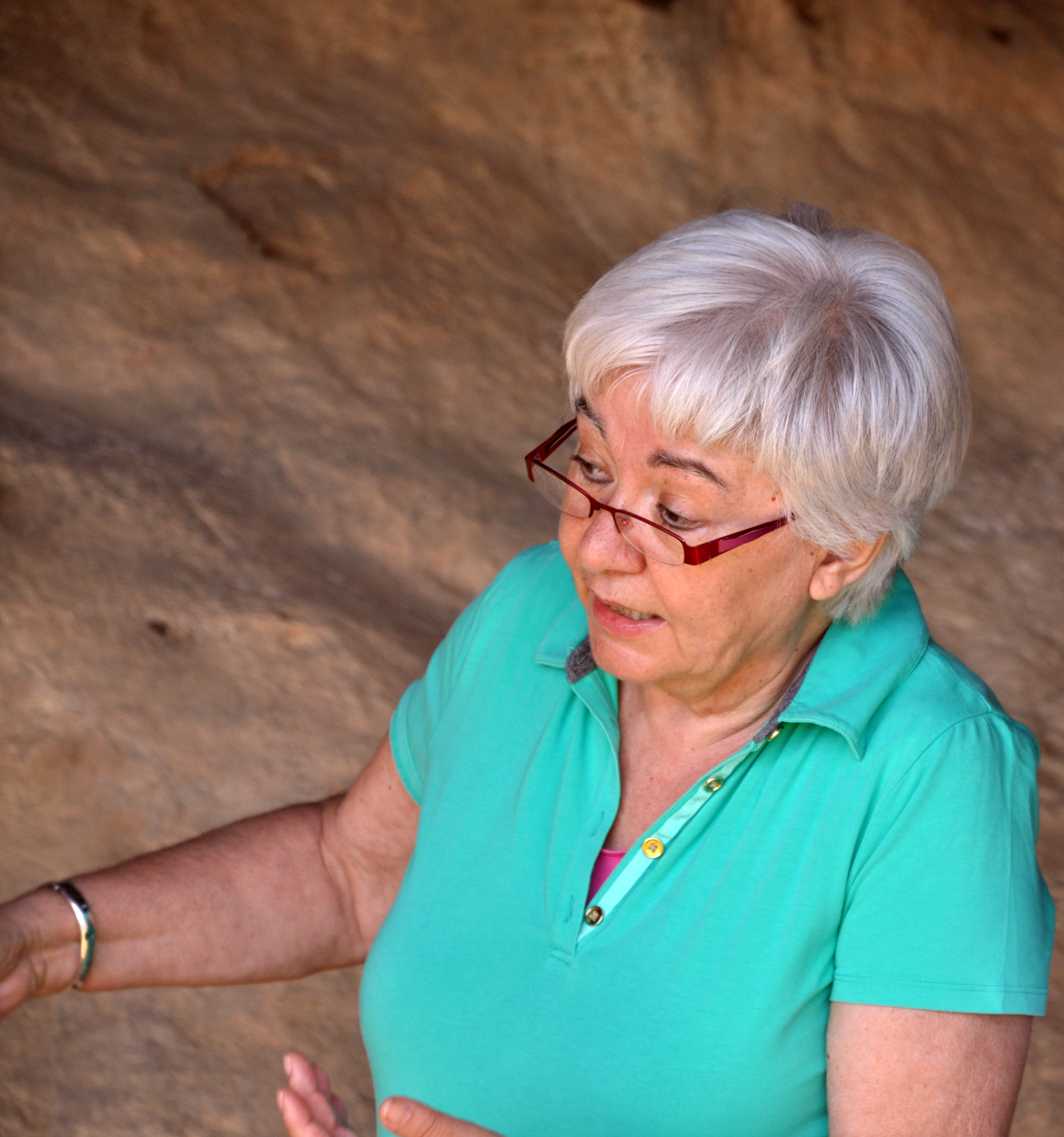
The Huesca campus of the University of Zaragoza is set to launch its conference series for the 2026-27 academic year, with archaeologist Pilar Utrilla delivering the inaugural lecture. Utrilla, a professor at the university, will discuss major ceremonial centres from prehistoric times, shedding light on recent discoveries that question established theories regarding early human sedentism.
The event will take place on Thursday at 19:15 in the Faculty of Human Sciences and Education, located at Calle Valentín Carderera, 4. The session will be introduced by fellow archaeologist Rafael Domingo, while the vice-rector Marta Liesa will present the overall programme for the series. This initiative, which features lectures by emeritus professors from the University of Zaragoza, will occur on the second Thursday of each month.
The upcoming talks will cover a range of topics, including the economy of Aragón, the evolution of rural life, mental health, human genetics, and the history of the region, with specific discussions on the Moriscos and Fernando II of Aragón. Notable speakers include José Antonio Salas, Antonio Lobo, Julio Montoya, Esteban Sarasa, Julio Sánchez Chóliz, and Raquel Langarita.
New findings and perspectives on prehistoric communities
In her inaugural lecture, Utrilla will review findings from archaeological sites in northern Mesopotamia, specifically in southern Turkey. These sites, which include significant ceremonial centres dated to around 11,000 years ago, challenge the traditional view that hierarchical societies capable of constructing such monuments emerged only after the advent of agriculture and the subsequent rise of city-states in the Neolithic period.
At sites like Göbekli Tepe and Karahan Tepe, archaeologists have uncovered circular structures adorned with large T-shaped pillars featuring carvings of formidable animals such as lions, foxes, wild boars, snakes, scorpions, and spiders, interpreted as protective clan symbols. Utrilla notes that many human figures depicted are shown with erect genitalia, possibly linked to ancestral connections, while other motifs include cranes and headless humans, suggesting ties to mythical narratives.
Utrilla emphasises that the dating of these discoveries contradicts the conventional belief that the construction of large monuments was only possible after the establishment of sedentary agricultural societies. “Today, there is debate,” she states, “over whether Göbekli Tepe served as a sacred site where different clans of hunter-gatherers gathered for large feasts, given the abundance of gazelle bones and stone tools found, or if people lived around these circular enclosures in square and rectangular structures with domestic items for food preparation.”
Additionally, Utrilla points out that Göbekli Tepe, once thought to be a unique sacred site, is now known to be part of a network of up to twelve similar sites, most of which are still awaiting excavation, located around the Harran plain, which the Book of Genesis identifies as the residence of Abraham before his journey to Canaan. Karahan Tepe, another significant site, features a large rock-hewn hall with eleven phallic pillars and a sculpted human head. In another area, a male figure is depicted grasping an erect penis, a scene also found in two other sites.
Continuing the conference series
The conference series will continue on 12 November, with economist Marcos Sanso presenting an analysis of economic activity in rural Aragón over the past 20 years. On 10 December, historian José Antonio Salas will discuss the Aragonese Moriscos and their familial connections. Following the Christmas break, psychiatrist Antonio Lobo Satué will examine healthy lifestyle habits that can aid in the prevention of mental disorders on 14 January. On 11 February, biochemist and molecular biologist Julio Montoya Villarroya will explore 'The genetic importance of the maternal surname'. Finally, on 11 March, medievalist Esteban Sarasa will discuss the life and legacy of Fernando II of Aragón, known as the Catholic Monarch.