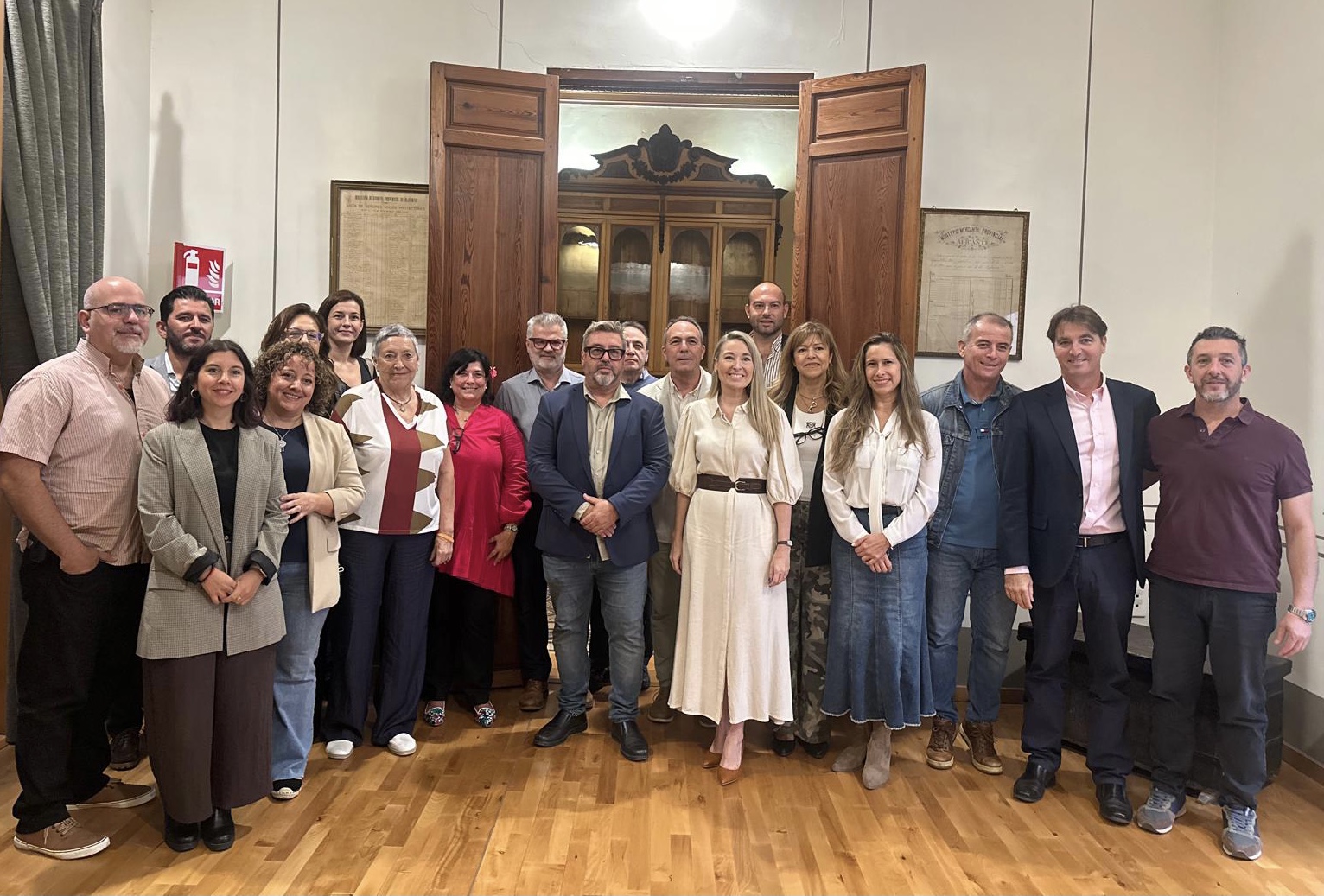
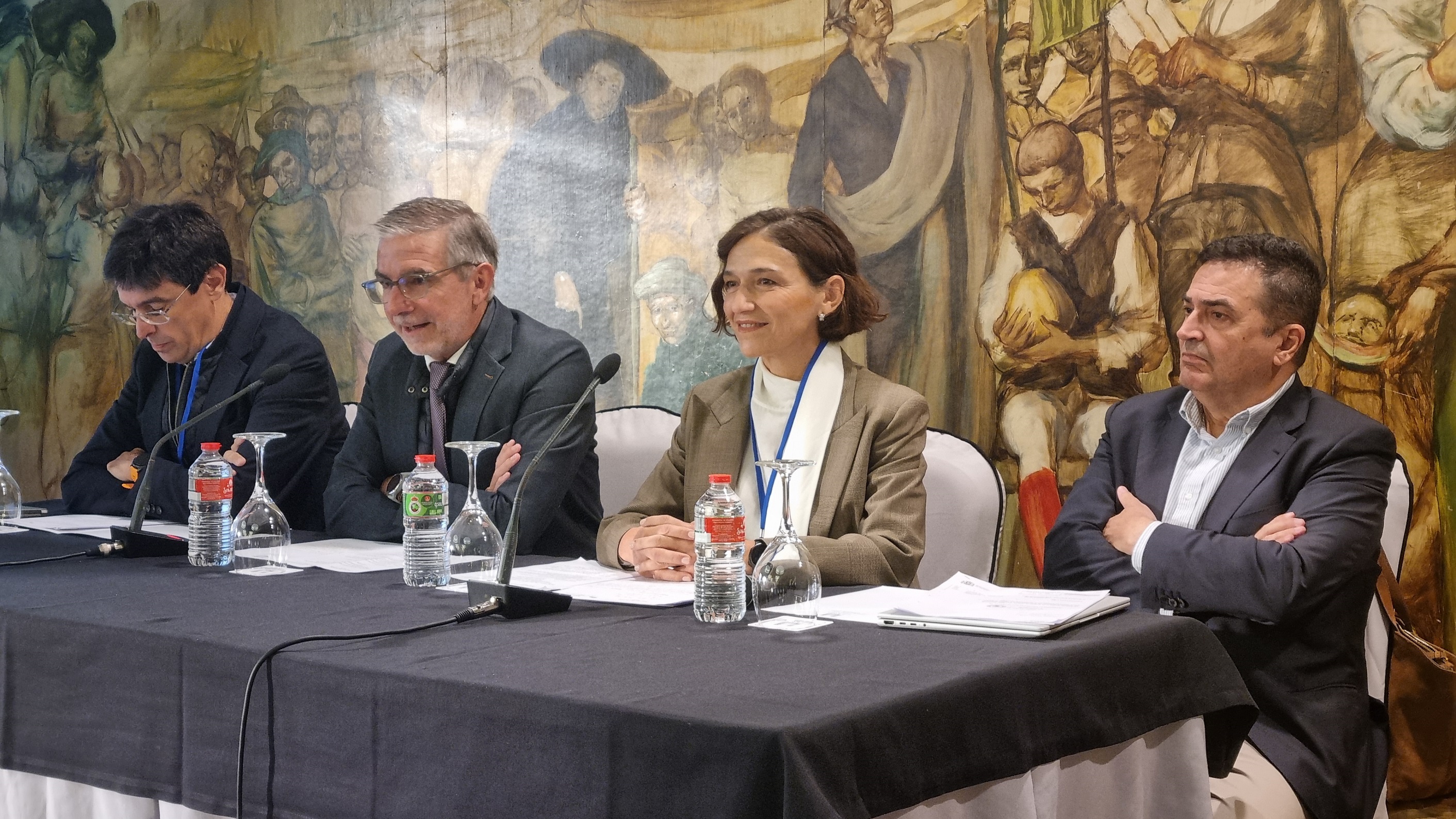
The Secretary General of Culture for the Junta de Extremadura, José Luis Gil Soto, inaugurated the International Congress 'Fray Nicolás de Ovando: the Extremaduran who organised the New World' in Cáceres. This event brings together Spanish and Dominican specialists to delve into Ovando's trajectory and his influence on the institutional organisation of the first American territories under Castilian rule.
During his speech, Gil Soto highlighted that the strategy of the Junta de Extremadura, through the Ministry of Culture and the Fundación Extremeña de la Cultura, Extremestiza, aims to 'update the link between Extremadura and America through knowledge, dialogue, and mestizaje'. He stated that shared memory can lead to cultural, academic, and social cooperation for both the present and future.
The Secretary General emphasised that mestizaje represents centuries of the circulation of people, languages, knowledge, and ideas, creating a significant space for relations between Extremadura, Europe, and Hispano-America.
Mar Lozano, President of the Royal Academy of Extremadura of Letters and Arts (RAEX), noted that the congress aims to advance the understanding of Nicolás de Ovando from a shared historical perspective, 'incorporating research and experiences from both sides of the Atlantic to avoid partial interpretations'. The congress seeks to deepen knowledge of America and the role of Extremadura in history and the shaping of the Atlantic world.
Lozano stated: 'Our aim is to promote an effective advancement in the understanding of Nicolás de Ovando by situating his trajectory within the political, institutional, economic, social, and cultural context of his time.'
The programme includes researchers from Spanish and Dominican universities, as well as representatives from the Academy of History of the Dominican Republic, led by its president, Miguel Reyes Sánchez. Sessions will be held in Cáceres, Trujillo, and Alcántara, locations linked to Ovando's career.
Also speaking at the inauguration were the First Deputy Mayor of Cáceres, Emilio Borrega, who highlighted Extremadura's projection as a meeting point for Hispanism and international historical debate, and the Vice-Rector for University Extension at the University of Extremadura, Teresa Terrón, who valued the opportunity to recover a key figure for understanding the shared history of Europe and America.
Among the attendees were several authorities, including María Félix Tena, President of the Superior Court of Justice of Extremadura, and José Antonio García Muñoz, the Government Subdelegate in Cáceres.
Nicolás de Ovando's significance
Ovando represents a fundamental moment in the transition between the peninsular experience of military orders and the institutional organisation of overseas territories. Trained in the Order of Alcántara, he was a tutor to Prince Don Juan and held significant responsibilities as the Commander of Lares and Grand Commander.
In 1502, the Catholic Monarchs appointed him Governor of Hispaniola, tasked with restoring order and consolidating royal authority. His governance, which lasted until 1509, marked a decisive stage in the establishment of Castilian dominance in the Caribbean. During these years, administrative and economic foundations were established, territories organised, and the creation of new towns and councils promoted, marking the beginnings of colonial urban life. Institutions providing assistance were also promoted, including some of the first hospitals in America.