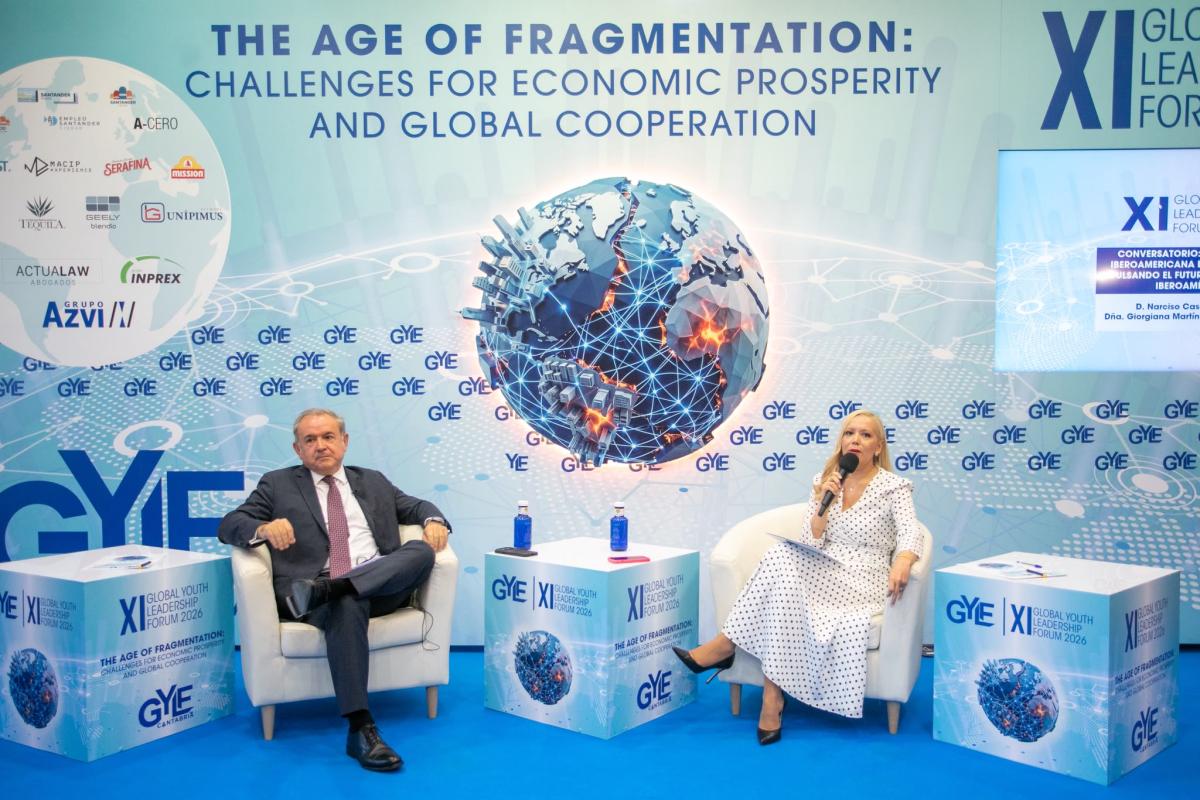
The economic significance of the cultural and creative industries in Ibero-America is substantial. According to estimates from the Inter-American Development Bank, these industries represent around 2.2% of the GDP of Latin America and the Caribbean, generating close to 1.9 million jobs. These figures highlight the potential of the 'orange economy' as a source of business activity, innovation, and development opportunities.
This extraordinary business ecosystem encompasses various sectors, including publishing, music, performing arts, audiovisual media, video games, design, architecture, heritage, and new digital activities. It includes large international companies, small and medium-sized enterprises (SMEs), micro-enterprises, and independent professionals, all of whom share a common goal: to transform creativity, knowledge, and talent into economically and socially valuable goods and services. This sector also generates opportunities for other industries such as tourism, education, commerce, and technology.
Collaborative potential in the audiovisual sector
Spain, Portugal, and Latin American countries boast internationally recognised companies, professionals, and creators. The expansion of Spanish and Portuguese content and new digital tools have broadened the possibilities for reaching global audiences. However, this opportunity should not be viewed as a one-way relationship; Ibero-American cooperation is enriched by the creative, entrepreneurial, and technological capabilities of all its members.
The audiovisual sector exemplifies this shared potential. According to the Ibero-American Audiovisual Panorama 2026, prepared by EGEDA and FIPCA, national cinema attracted over 40 million viewers in the analysed Ibero-American markets in 2025. Additionally, the Ibermedia Programme, which has supported 1,245 co-production projects since 1998, has contributed to strengthening the audiovisual business landscape and fostering collaboration among countries.
Challenges and priorities for growth
Transforming this potential into sustained growth requires addressing specific challenges, including market fragmentation, financing difficulties, the small scale of many companies, rights violations, technological changes, and the need to train and retain talent. Responses must respect the unique characteristics of each cultural activity while fostering a common competitive environment.
A primary priority is to facilitate the circulation of cultural works, projects, and services. Cooperation among companies and sectoral organisations can promote co-productions, distribution, participation in fairs, internationalisation, and access to new audiences. For SMEs and independent professionals, reducing administrative hurdles and enhancing market knowledge can be as crucial as opening new financing avenues.
The second priority is to strengthen investment. The cultural sector requires instruments tailored to the diversity of its production cycles and risks, including private financing, investment incentives, patronage, and sponsorship. The focus should not only be on supporting individual projects but also on fostering sustainable companies capable of growth, innovation, and preserving the value of creation within the cultural ecosystem.
Intellectual property and technological innovation
Intellectual property is another critical element for the competitiveness of cultural and creative industries. Protecting the rights of those who create, produce, finance, and distribute content sustains investment, employment, and the development of new works. In this context, combating piracy and effectively protecting rights must advance alongside technological innovation, improving production processes, and developing new business models through balanced solutions that support both creation and the sector's digital transformation.
Artificial intelligence presents both an opportunity and a shared responsibility. It can enhance production, accessibility, distribution, and audience knowledge while necessitating clear rules and balanced solutions through dialogue among rights holders, technology companies, platforms, creators, and institutions.
The role of education and cultural diversity
Cooperation in Ibero-America can help develop capabilities and best practices that foster both innovation and creation. Talent is essential to this agenda. Artistic, technical, entrepreneurial, and digital training, along with professional mobility and collaboration among universities, training centres, and businesses, is vital for strengthening the entire value chain. Recognising the diverse career paths and needs within the cultural sector is equally important.
Culture also contributes a unique territorial dimension. Festivals, facilities, heritage, and creative activities invigorate cities and rural areas, promote social cohesion, and enhance the tourism offering. Their contribution will be greater when there is planning that preserves local identity, enables viable projects, and generates opportunities for businesses and communities.
Building a structured business cooperation
Ibero-America has the opportunity to evolve from historical cultural ties to a more structured business cooperation: alliances for production and distribution, investment instruments, technology transfer, and stable dialogue spaces among sectors and countries. Large international companies and cultural SMEs can play complementary roles in this process.
The future of Ibero-American culture will depend not only on the ability to create globally impactful works but also on the strength of the companies and professionals that make them possible. Turning our creative diversity into investment, employment, and shared projects requires recognising the economic value of culture, protecting creation, and facilitating opportunities for talent to thrive. Culture is not only one of Ibero-America's greatest shared heritages; it is also one of its most significant opportunities for building the future.