The 2026 edition of the Sevilla European Film Festival will prominently feature Andalusian cinema, presenting a total of 66 titles, comprising 37 feature films and 29 short films, with 21 of these being world premieres. This representation spans various sections of the festival, including the Official Section, Panorama Andaluz, Special Screenings, and Esenciales.
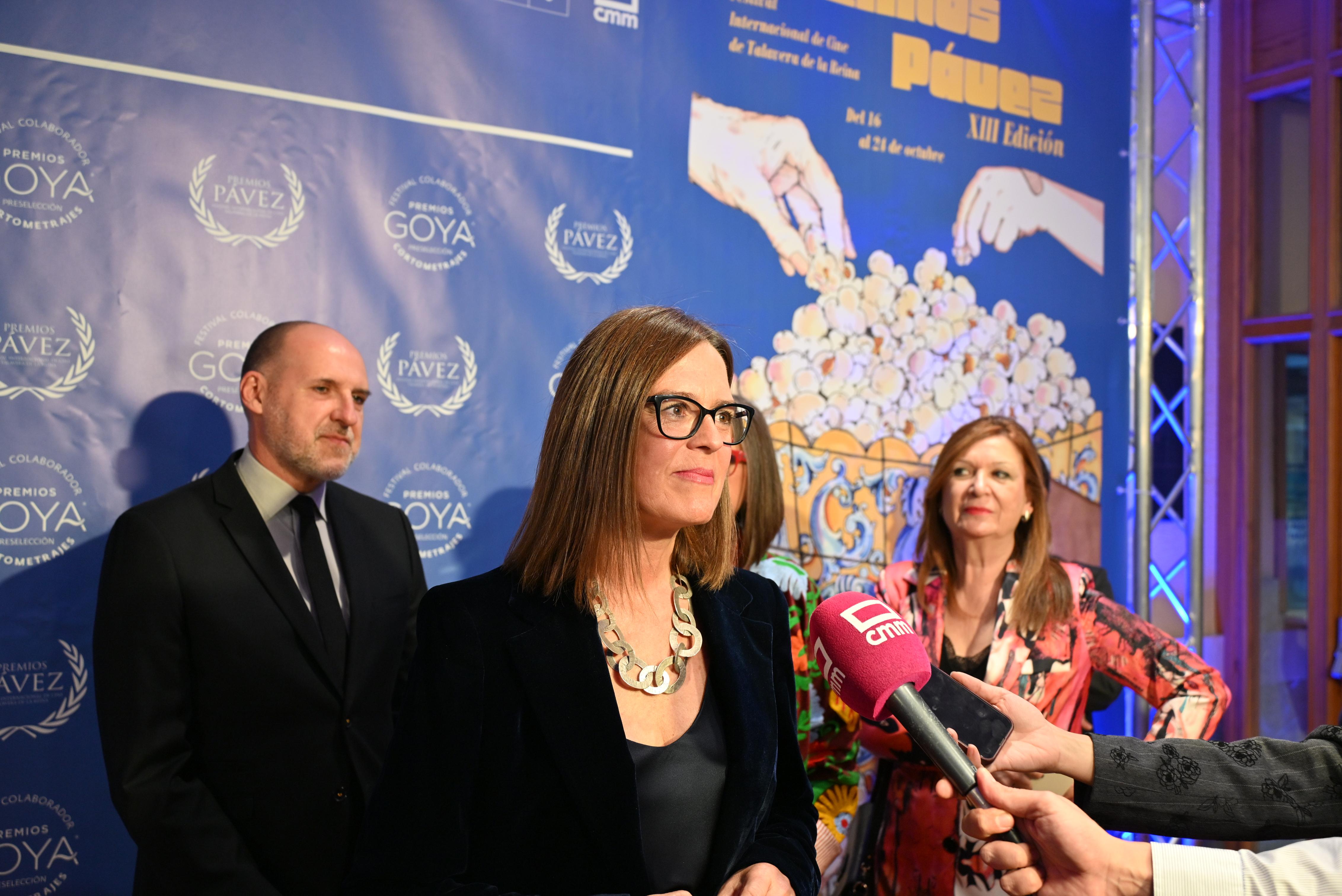
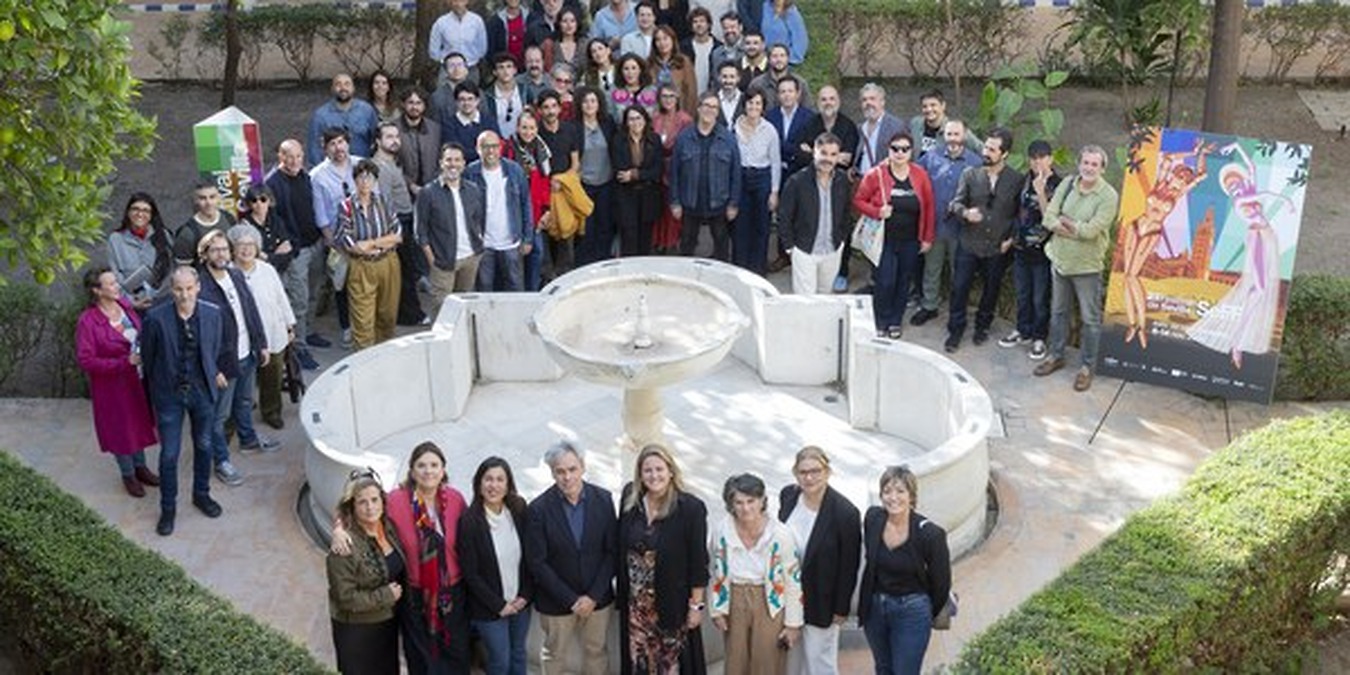
Angie Moreno, the delegate for Tourism and Culture at the Sevilla City Council, and Manuel Cristóbal, the festival director, introduced the Andalusian films set to be showcased at the event during a press conference at Espacio Santa Clara. The event was attended by numerous filmmakers and members of the technical and artistic teams involved in the selected films.
The programme features a mix of feature films and short films, documentaries, and fictional works, showcasing both emerging voices and established filmmakers. This diverse selection reflects a pluralistic cinema that is integral to the festival's identity and narrative.
“Supporting Andalusian cinema means recognising the talent we already have while also creating opportunities for those shaping the cinema of tomorrow,” said Moreno. “The Sevilla Festival should serve as a platform for this talent, a showcase for our stories, and a space where Andalusian creativity can connect with audiences and project itself beyond our borders.”
Moreno emphasised the municipal commitment to culture, stating, “We are clear that culture is an investment in the future. That’s why we support a festival that not only brings the best of European and international cinema to our city but also gives visibility to our creators and helps strengthen the Andalusian audiovisual sector.”
Manuel Cristóbal noted that the Sevilla festival ranks as the fourth largest in Spain by audience numbers and is the largest in Andalusia. “We are now a festival of Sevilla, not just made in Sevilla. We have gained national and international relevance. We have come to be useful to the sector and, therefore, to its talent,” he remarked, expressing gratitude for the collaboration of all entities and associations involved in the festival.
Featured films and themes
Among the highlights in the Official Section is ‘Taranta’, directed by Samuel Nacar, which will compete for the Giraldillo de Oro. This documentary, written by Ana Puentes and Claudia Barthelemy, follows four young individuals—two locals and two Chinese engineers—during an unusual reindustrialisation process in Linares, Jaén, as the old Santana factory reopens. The film presents a pivotal moment, intertwining the promise of a new era with memories of decline, working-class pride, and generational distrust.
Another notable film is ‘Anguita. El hombre de los tres siglos’, directed by Hugo Cabezas, which explores the multifaceted life of the Cordoban politician as an intimate portrait of one of Spain's most unique democratic figures, reflecting on the personal costs of political coherence and commitment.
Documentaries and local narratives
Many titles selected for Panorama Andaluz focus on history, traditions, and the collective memory of the region from various perspectives. Flamenco is represented through works like ‘Bajañí’ by Fernando Trueba and ‘Rito’ by Emilio Belmonte, which highlight key figures in the genre. Other documentaries explore literary journeys, artistic memory, and the transformative power of culture.
For instance, ‘Caballero Bonald, fragmentos de un navegante’ by Paula Romero reflects on the literary legacy of the author, while ‘Acuérdate de mí’ by Remedios Málvarez delves into the life of La Niña de La Puebla. The documentary ‘Naquerar’ celebrates the 50th anniversary of a significant poetic and musical work advocating for the rights and identity of the Romani people.
Exploring contemporary issues
The festival also features films addressing intimate and universal conflicts. ‘Un hombre en un puente’ by David Martín de los Santos and ‘El pezón de Elena’ by Esteban Magaz examine themes of loss and personal reconstruction, while Ana Graciani Fernández's ‘La ventana abierta’ centres on absence within a gripping thriller.
Special Screenings will include titles that reflect the identity of Sevilla, such as ‘Maestros del Arte’ by Lola Álvarez, which highlights traditional crafts, and ‘Fútbol en tu mano: mucho Betis’ by Uroš Popović, showcasing the cultural significance of football in the city.
As the festival approaches, it promises to be a vibrant celebration of Andalusian cinema, offering a platform for diverse narratives and creative expressions that resonate with both local and international audiences.