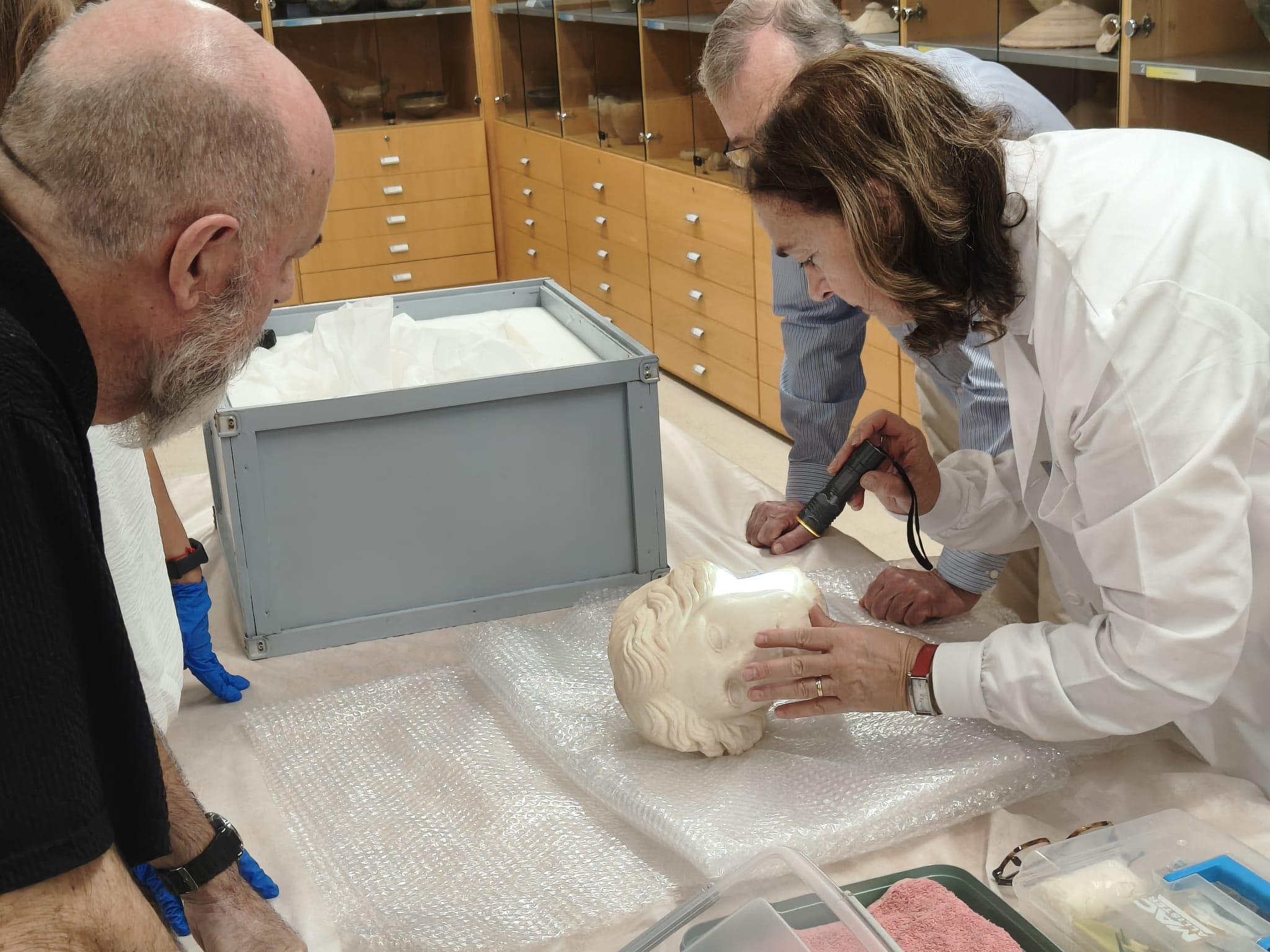
A professor of Petrology and Geochemistry at the University of Zaragoza has extracted the sculptural head of the Venus of Alicante for an archaeometric study aimed at uncovering the origin of the marble used in its creation.
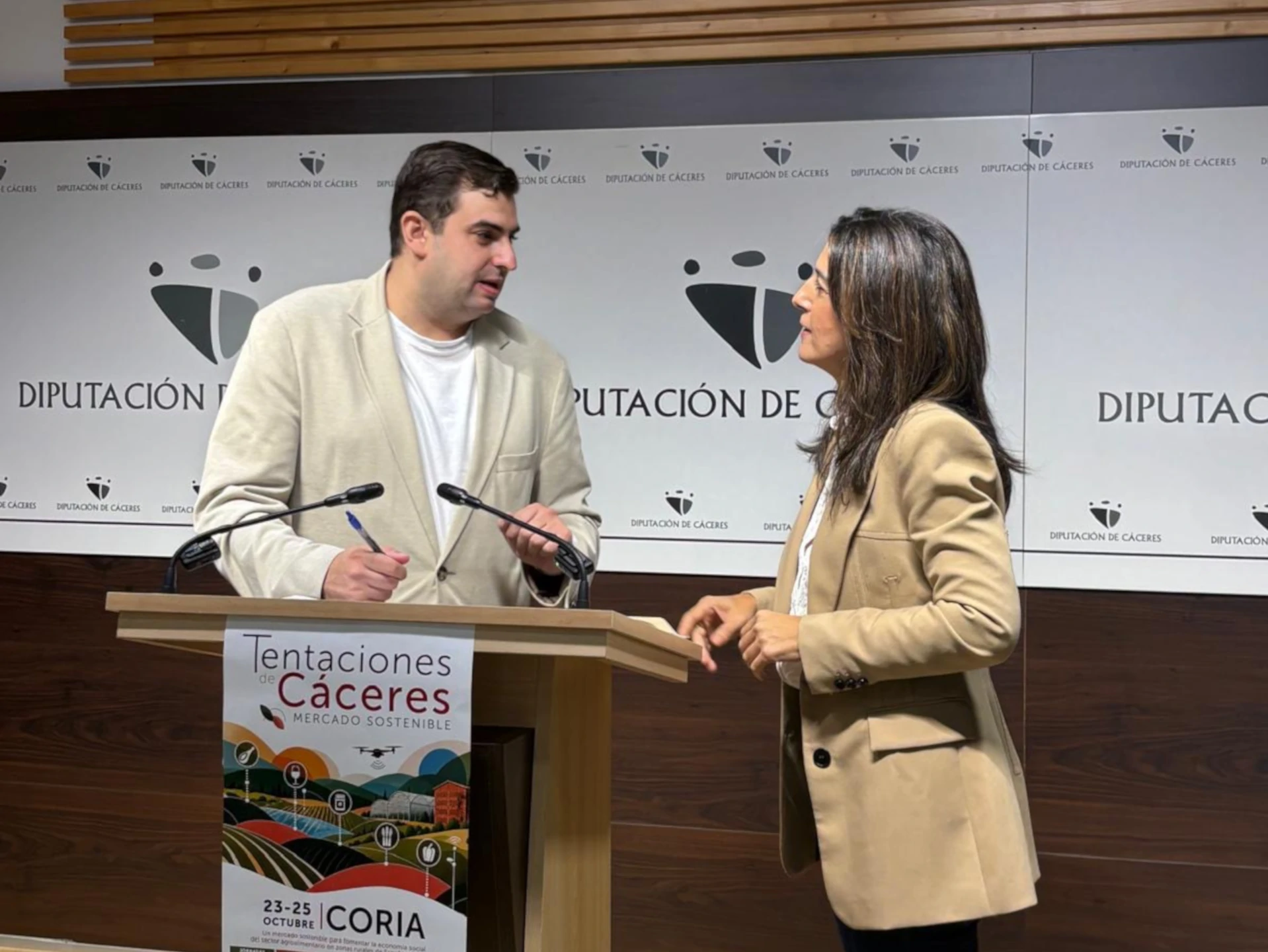
Nayma Beldjilali, the councillor for Culture, expressed enthusiasm about the project, stating, “We are excited and expectant because in a few days we will have a preliminary report that will reveal one of the secrets held by the Venus, a heritage piece for all Alicantinos.”
The study, led by José Miguel Noguera, a prominent expert in Roman sculpture from the University of Murcia, seeks to identify the marble's provenance, which dates back to the 2nd or 3rd century AD. To facilitate this, Professor María del Pilar Lapuente from the University of Zaragoza visited the Provincial Archaeological Museum (MARQ) to analyse the macroscopic characteristics of the marble and extract a sample for physical, chemical, and geological analysis.
This archaeometric study is part of a comprehensive examination commissioned by the Alicante City Council, which also includes a polychromy report from an expert at the University of Córdoba. The preliminary report is expected to be released shortly, with the final report anticipated by the end of the year.
Professor Noguera previously suggested that the high quality of the marble could indicate its origins from Paros in Greece or Carrara in Italy. He was present during the sample extraction alongside José Manuel Pérez Burgos, head of Integral Heritage at the City Council, and José Luis Menéndez Fueyo, head of Collections and Excavations at MARQ. The extraction was conducted with the necessary authorisation from the General Directorate of Heritage.
Professor Lapuente, an expert in ancient marble, has a background in Archaeometry and Conservation of Monuments from the United Kingdom. Her work on Mudejar bricks was awarded by the Spanish Society of Mineralogy, and her studies on historical marble quarries in the Iberian Peninsula have been significant references in the field. She is also a member of the Executive Committee of ASMOSIA (Association for the Study of Marble and Other Stones in Antiquity).