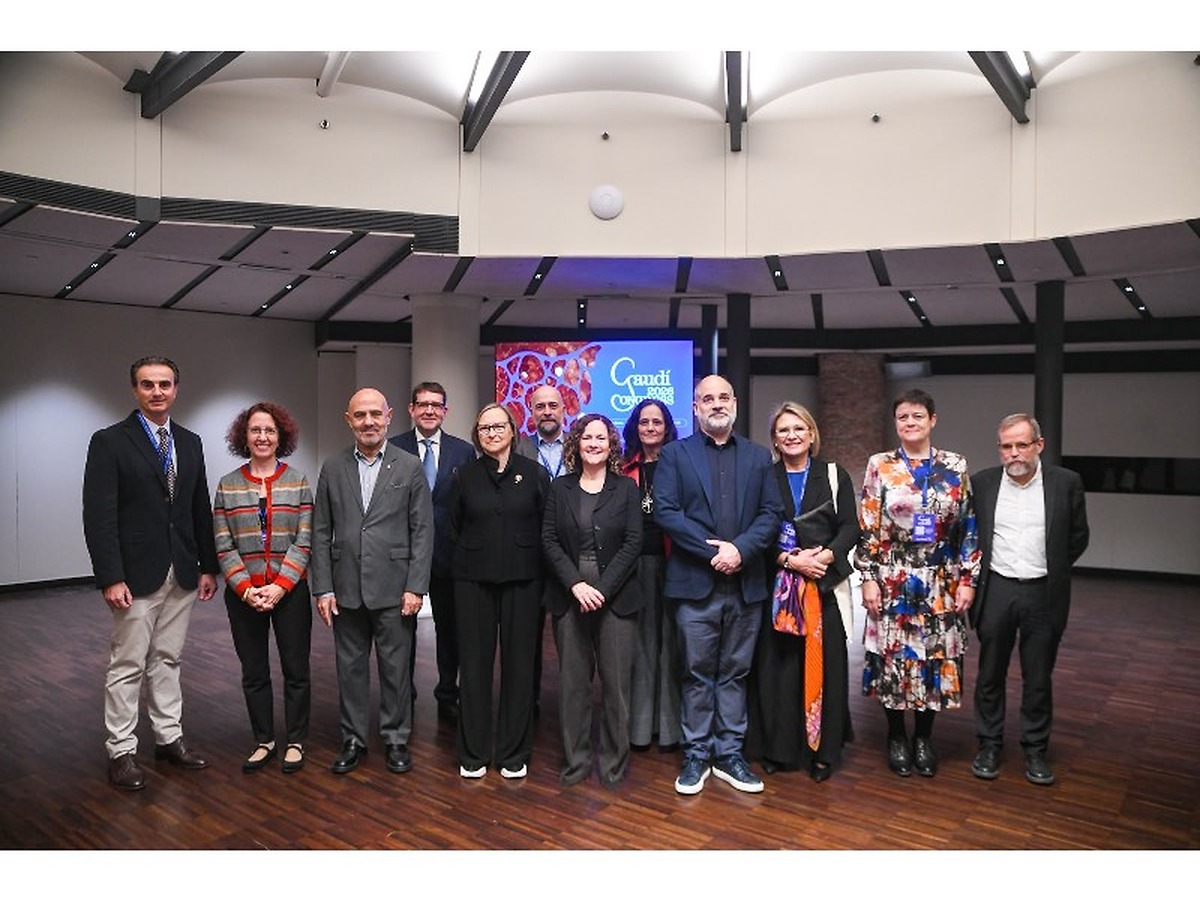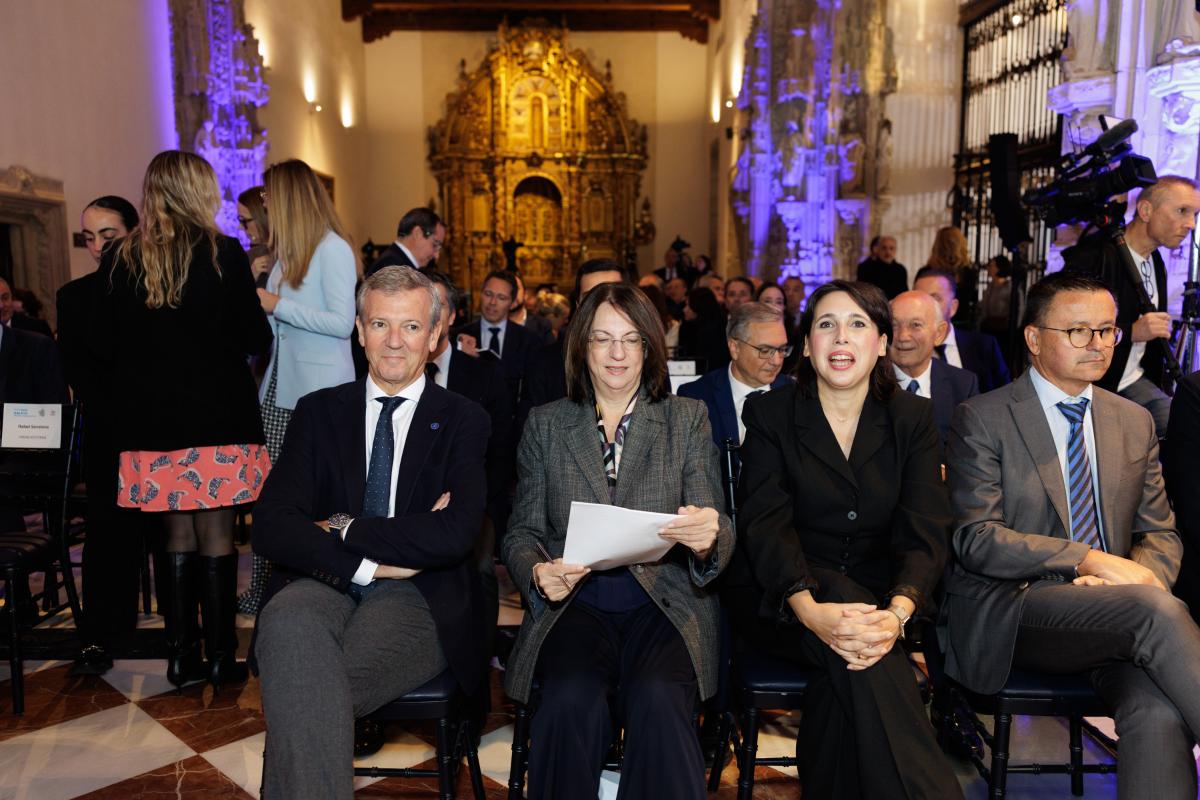
The president of the Xunta, Alfonso Rueda, has underscored Galicia's role as a stable, competitive, and appealing territory for business investments in the current economic and international context. He made these remarks during the opening of the business forum titled 'Galicia: growth, investment, and innovation', organised by the economic newspaper Expansión as part of its 40th anniversary celebrations.
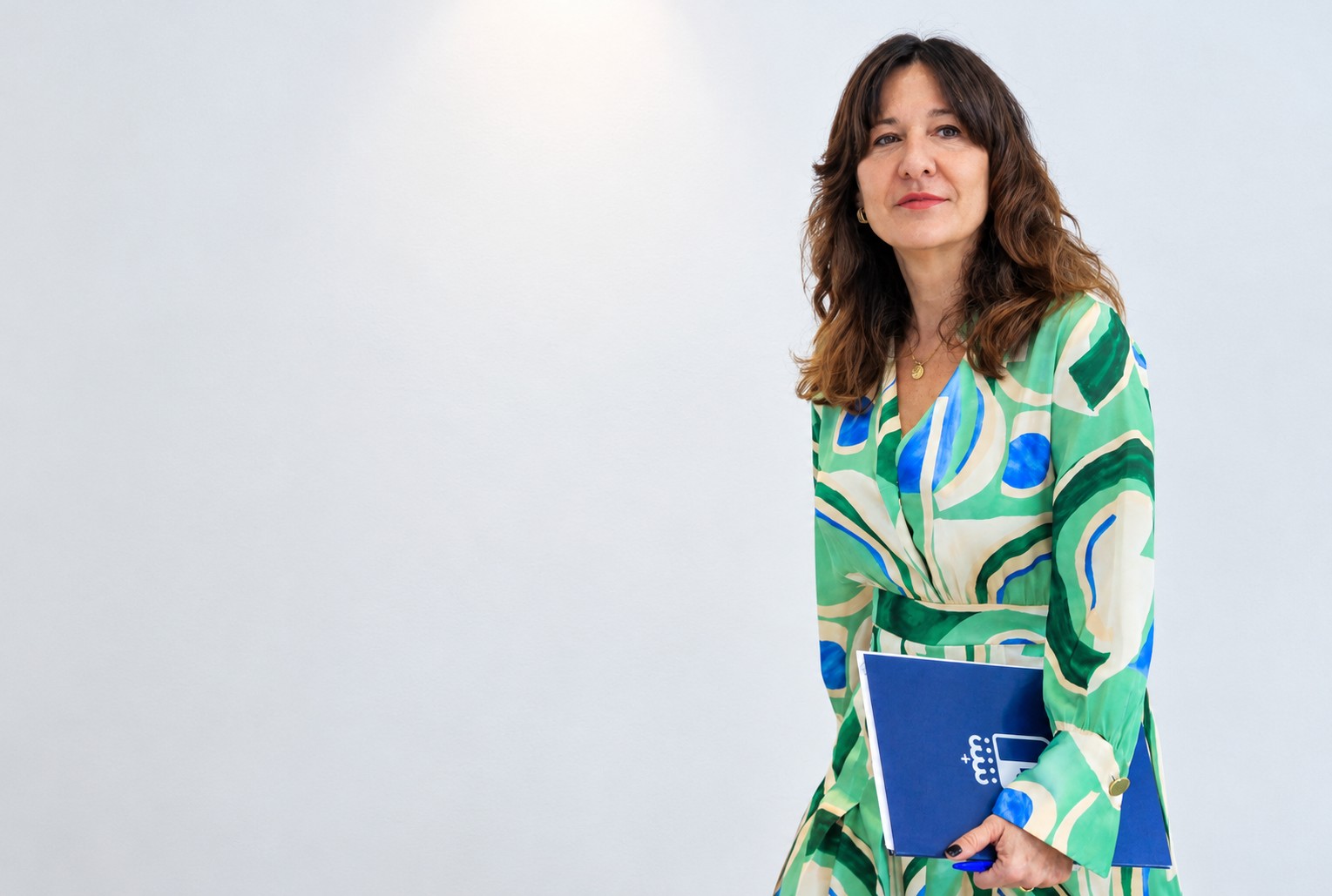
In attendance were María Jesús Lorenzana, the regional minister for Economy and Industry, and José González, the regional minister for Employment, Commerce, and Emigration. Rueda highlighted that in 'such turbulent times', Galicia 'offers certainties' due to its institutional stability and budgetary predictability, which are crucial for growth in the region and for attracting investors.
He noted that Galicia will once again have its budgets approved on time for the upcoming 2027 fiscal year, reaching a record figure of €15.158 billion without resorting to debt for the fourth consecutive year. This approach aims to 'protect basic services' and address issues such as housing.
Rueda also stressed the importance of seizing opportunities through 'strict compliance with regulations' and pointed to key economic indicators that foster a climate of trust in Galicia. He highlighted historically low unemployment levels recorded in September, record numbers of Social Security affiliations, and the positive trend in Galician exports, which have exceeded €30 billion for three consecutive years.
To further consolidate this dynamism, Rueda reiterated the Xunta's strong commitment to research, development, and innovation (R&D+i) within the productive sector. He referred to the recent approval of the Galician Business Innovation Strategy 2026-2028, which will mobilise €400 million to extend innovation across all Galician companies and enhance their competitiveness.
Energy transition and industrial development
During the meeting, Rueda pointed out the historic opportunity that the energy transition presents for the community and businesses alike. He advocated for a direct impact of renewable energy generation on the Galician industry. He cited the upcoming establishment of the automotive group SAIC in Ferrolterra as an example of international interest in Galicia.
Additionally, he highlighted the regional plan to create 12 million square metres of new industrial land by 2030, with an investment exceeding €440 million, aimed at facilitating the establishment of new companies or the expansion of existing ones.
Rueda also emphasised that the true engine of the economy lies in its people. He called for a pragmatic approach to addressing absenteeism, efforts to fill positions currently in high demand, and a comprehensive strategy to 'retain talent and attract those who are abroad.'
Infrastructure as a key to future growth
To fully realise Galicia's potential, Rueda stressed the need for support from the national government in executing strategic infrastructures. He called for the definitive development of the Atlantic Corridor, a strong push for pending high-speed rail connections—particularly the Vigo-Porto segment, where expediting the South Exit of Vigo is urgent—and a power planning strategy that meets the growth of the industrial projects anticipated in Galicia.