The city of Madrid is making a significant impact at the Smart City Expo World 2026, an international congress focused on smart cities and urban innovation held in Barcelona until Thursday. The Madrid City Council's stand features 25 companies, 15 high-level institutional representatives, and a programme with 150 speakers and four knowledge forums.
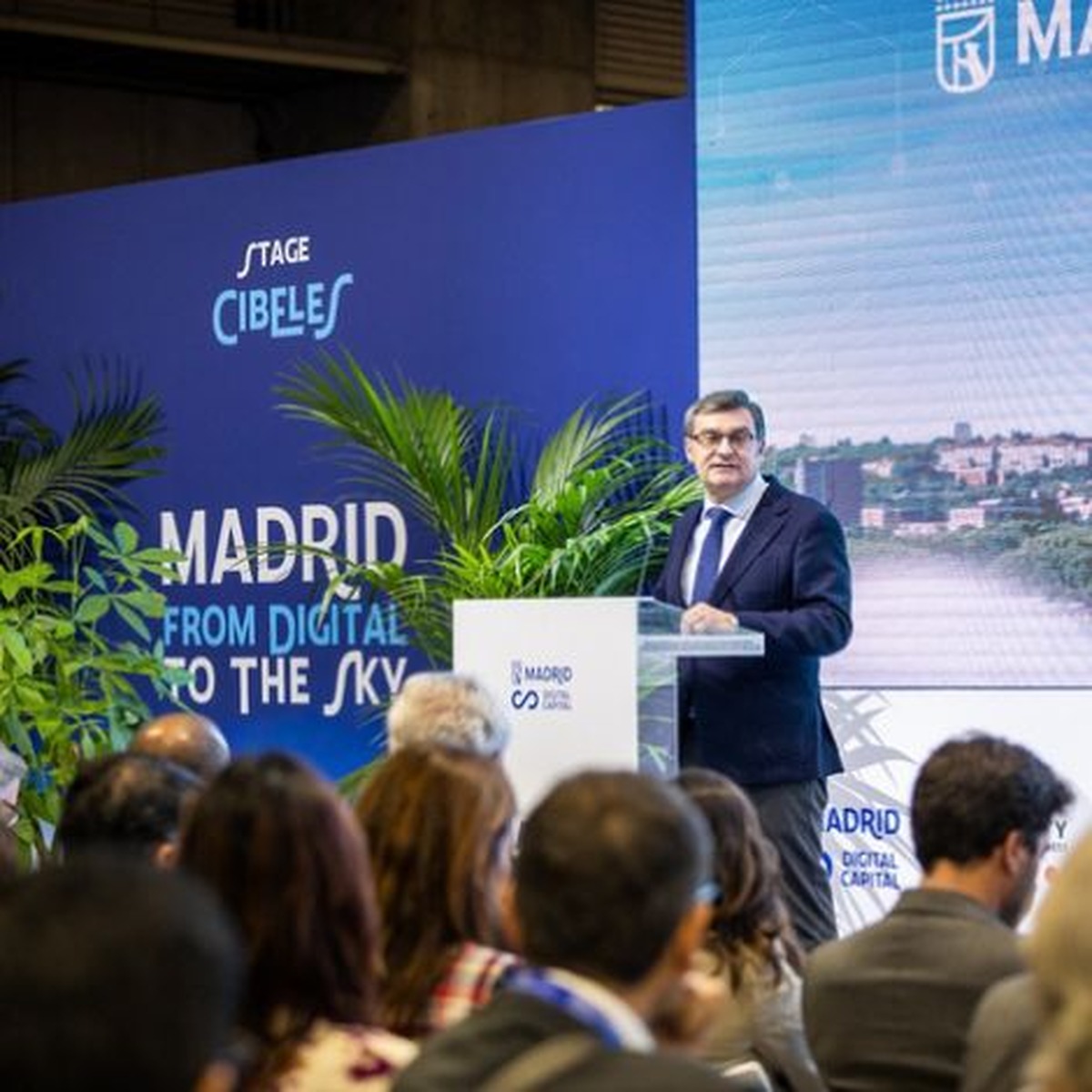
The exhibition space highlights projects that apply innovation and data analysis to mobility, urban management, and public service delivery. Álvaro González, the delegate for Housing Policies and president of the Municipal Housing and Land Company of Madrid (EMVS Madrid), officially opened the Madrid Capital Digital space at the congress. In his speech, González emphasised the city's commitment to a digital transformation aimed at creating a smarter, more sustainable, secure, and resilient urban environment, as well as the scope of the Madrid Capital Digital strategy, which involves all 21 districts and various municipal areas.
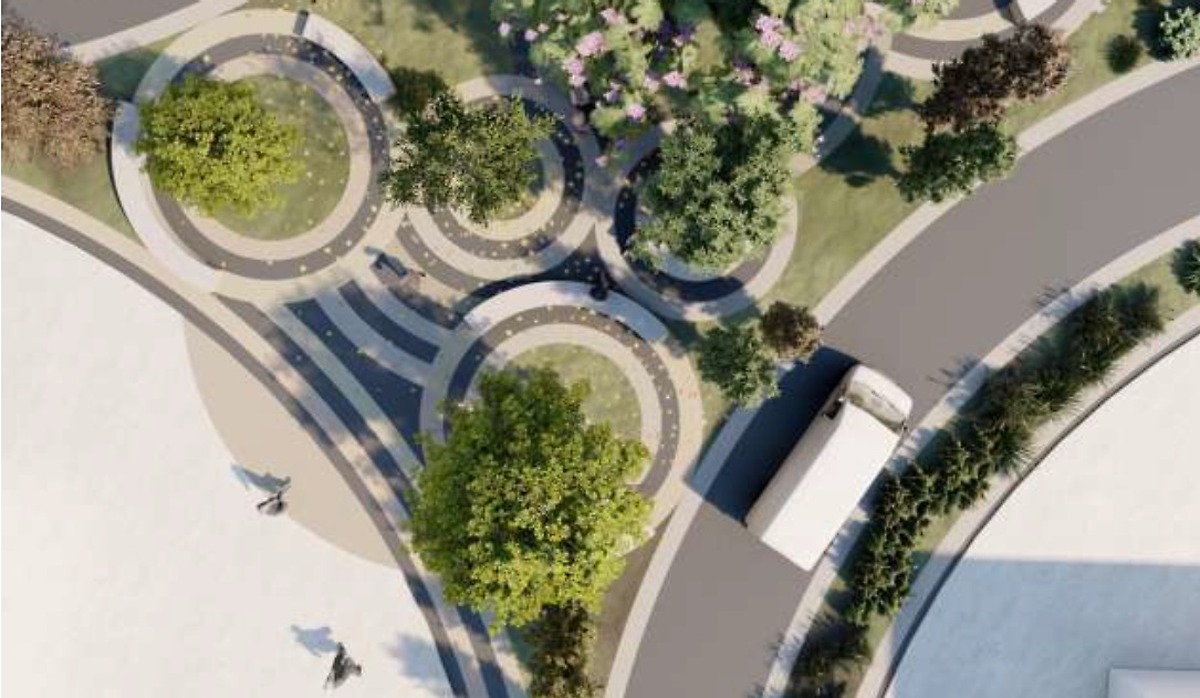
The exhibition showcases over 100 best practices and initiatives with a strong technological component, facilitated by 25 companies and the participation of 15 institutional representatives. Additionally, it includes four knowledge forums designed to share experiences, foster partnerships, and address key urban challenges. Attendees can explore various technological solutions and municipal projects, such as an autonomous bus operating in Mercamadrid and a driving simulator. Other exhibits include the City Intelligence Laboratory, IoTMADLab, Madrid Calle 30, and the Southwest Greenway, which illustrate how Madrid integrates technology, data, infrastructure, and urban transformation to enhance public services and improve citizens' quality of life.
The role of housing in smart cities
During his address, González highlighted housing as a central element in the discussion surrounding smart cities, stating, “Housing is the last mile of the smart city,” as it is within homes that the impact of urban innovation is truly felt. He underscored its importance in attracting and retaining talent, as well as fostering competitiveness and future urban development.
González elaborated on how technology can influence every stage of a home's lifecycle, from urban planning and licensing to construction, energy consumption, maintenance, and rehabilitation. The application of technology allows for better city knowledge, streamlined administrative processes, resource optimisation, and progress towards more efficient buildings. Notable tools include the use of artificial intelligence to analyse historical urban planning documents, enabling easier access to relevant information and urban space analysis.
The City Council is also developing Madrid DBP, a platform that will allow for the review of project licensing requests through digital BIM models, aiming to expedite the process. Industrialised construction is another area where technological innovation is applied in residential settings. The controlled and digitised manufacturing of components and their subsequent assembly on-site help shorten execution times, improve construction quality, and reduce waste. Currently, around 800 public housing units are being promoted using these systems.
Technology also plays a crucial role in energy efficiency and building maintenance. Solutions on display include aerothermal systems, photovoltaic panels, and heat recovery ventilation, as well as monitoring tools and digital twins that help understand building performance and anticipate maintenance needs. One such project, SCAMIA, developed by EMVS Madrid, employs digital twins and sensors to monitor municipal rental buildings, predict potential failures, and optimise energy consumption.
In terms of rehabilitation, the City Council collaborates with the Eduardo Torroja Institute of Construction Sciences at CSIC to monitor energy consumption, comfort, and air quality in homes before and after interventions to evaluate their effectiveness.
Madrid's participation in this international congress aims to share experiences and best practices with other cities, public administrations, universities, research centres, and innovative companies, while reinforcing the capital's position as a global technological hub open to talent, investment, and digital and social innovation. The city is presenting initiatives related to artificial intelligence, data governance, cybersecurity, digital twins, connectivity, and the digitisation of public services.