The Zaragoza City Council is taking a decisive step in its urban regeneration strategy, focusing on eliminating historical voids in established neighbourhoods and promoting the creation of new housing in the Aragonese capital. The Urbanism, Infrastructure, Energy and Housing Commission will review two major projects that aim to close urban scars in the city centre, facilitating the construction of up to 359 new homes, assisted living facilities, green spaces, new public roads, additional parking, and generating over €23.4 million in municipal revenue.
One of the key items on the agenda is the approval of the urban agreement for the Instalaza site, which will finally end industrial activity in the Tenerías neighbourhood after more than 20 years of waiting for a solution. The commission will also give final approval to the isolated modification number 24 of the General Urban Planning Plan (PGOU) and the accompanying urban agreement for the Living Romareda project on the site of the former Convent of Jerusalem.
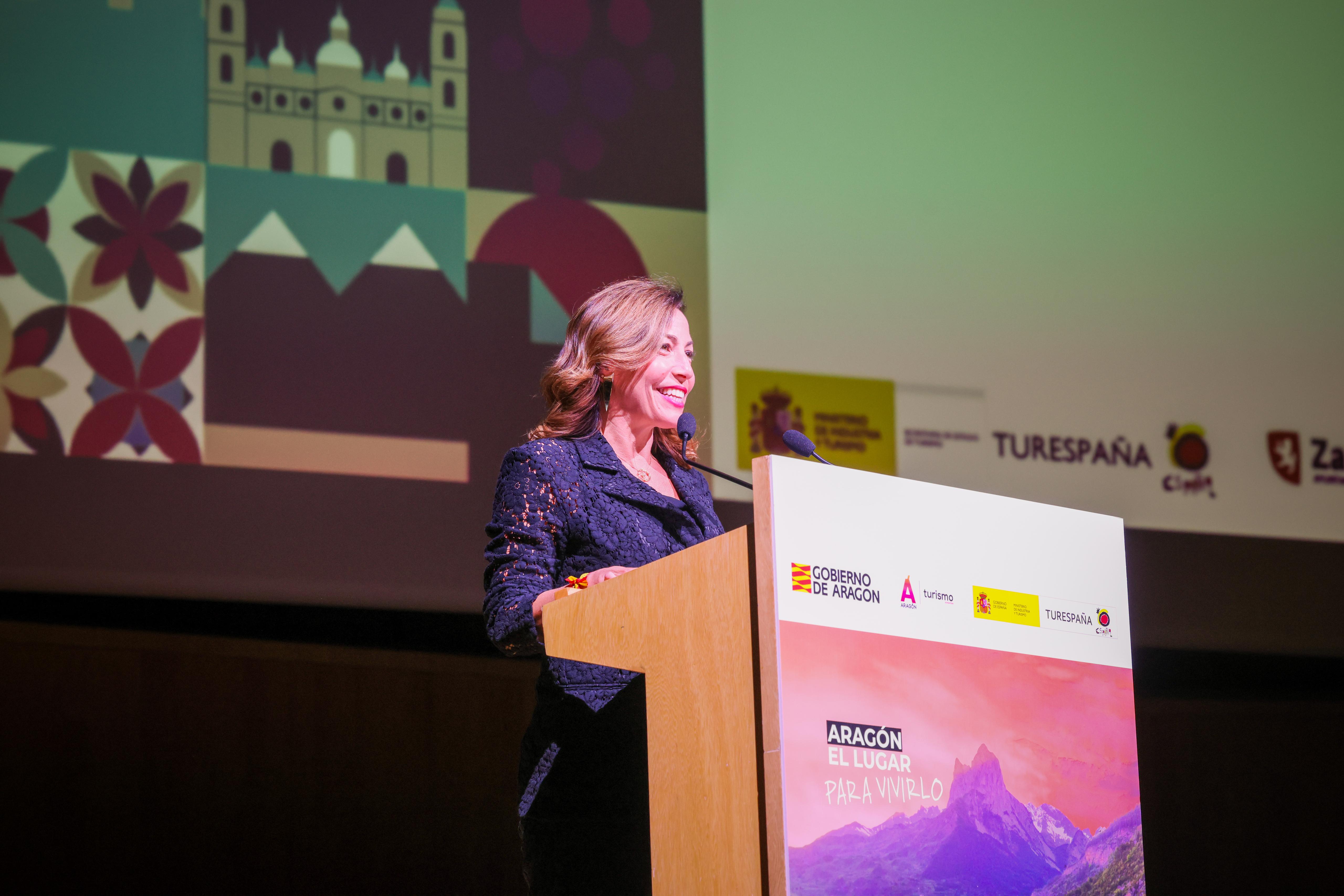
Víctor Serrano, the councillor for Urbanism, Infrastructure, Energy and Housing, emphasised that the joint processing of these agreements reflects a model of urban development focused on stitching together the gaps in the consolidated city, expanding residential options, and generating significant returns for the public interest. He stated, "Zaragoza is moving forward with determination in resolving urban scars that have burdened our neighbourhoods for decades, transforming walled-off areas, unused plots, or obsolete industrial facilities into open, permeable spaces that generate new free, protected, and rental housing."
Serrano also highlighted that these operations directly respond to public interest, addressing long-standing demands from residents, improving mobility with new roads and additional parking, and injecting over €23.4 million into the municipal coffers, alongside the construction of 31 public housing units within the municipal property to further promote accessible housing policies in Zaragoza.
Details of the Living Romareda project
Specifically, the project concerning the former Convent of Jerusalem, located at Paseo de Isabel la Católica number 10, will undergo final approval by the Urbanism Commission. This includes the isolated modification TR 2024/24 of the PGOU and the supplementary urban agreement signed with the landowner, Enta Properties. Following a month of public information and the collection of favourable reports from municipal technical and legal services, the Office of the Environment, the Treasury Department, and the General Directorate of Interior and Emergencies of the Government of Aragon, the definitive document will transform this urban void surrounded by a wall into a new mixed residential and assisted living development.
One of the fundamental pillars of the urban agreement for the former Convent of Jerusalem site is the precise economic compensation that the Zaragoza City Council will receive in lieu of public land that cannot be physically realised on the plot, given that the area is already well-equipped with open spaces, roads, and facilities. The agreement stipulates that the total compensation will amount to €22,432,408, a figure that has been updated and adjusted based on technical assessments.
Instalaza site redevelopment
In parallel to the Living Romareda project, the Urbanism Commission will also consider the approval of the planning agreement for the E-7 Intervention Area, concerning the Instalaza site, which addresses another urban scar that has persisted for over two decades in the historic centre of the city, within the Tenerías neighbourhood. This agreement facilitates the relocation of industrial activity outside the consolidated urban area to make way for new residential development and green spaces along the Ebro River.
Serrano summarised the commitment of the company to relocate its facilities while maintaining jobs, stating, "This urban planning will allow for an increase in building density for housing, addressing a historical demand from residents." The E-7 area is strategically located within the historic centre, bordered by various residential and green spaces.
With the new parameters, the number of permitted homes will total 155, of which 31 will be designated as protected housing and directly ceded to the Zaragoza City Council. Additionally, the council will receive two ground-floor commercial units and nearly €987,000 in economic compensation.
Serrano concluded, "This urban operation resolves a historical problem that has persisted for over 20 years and addresses a long-standing community demand for relocation."