The Navarre Institute of Memory has acknowledged the documentation provided by the Elío family, which has facilitated the development of a virtual exhibition commemorating the centenary of María Luisa Elío.
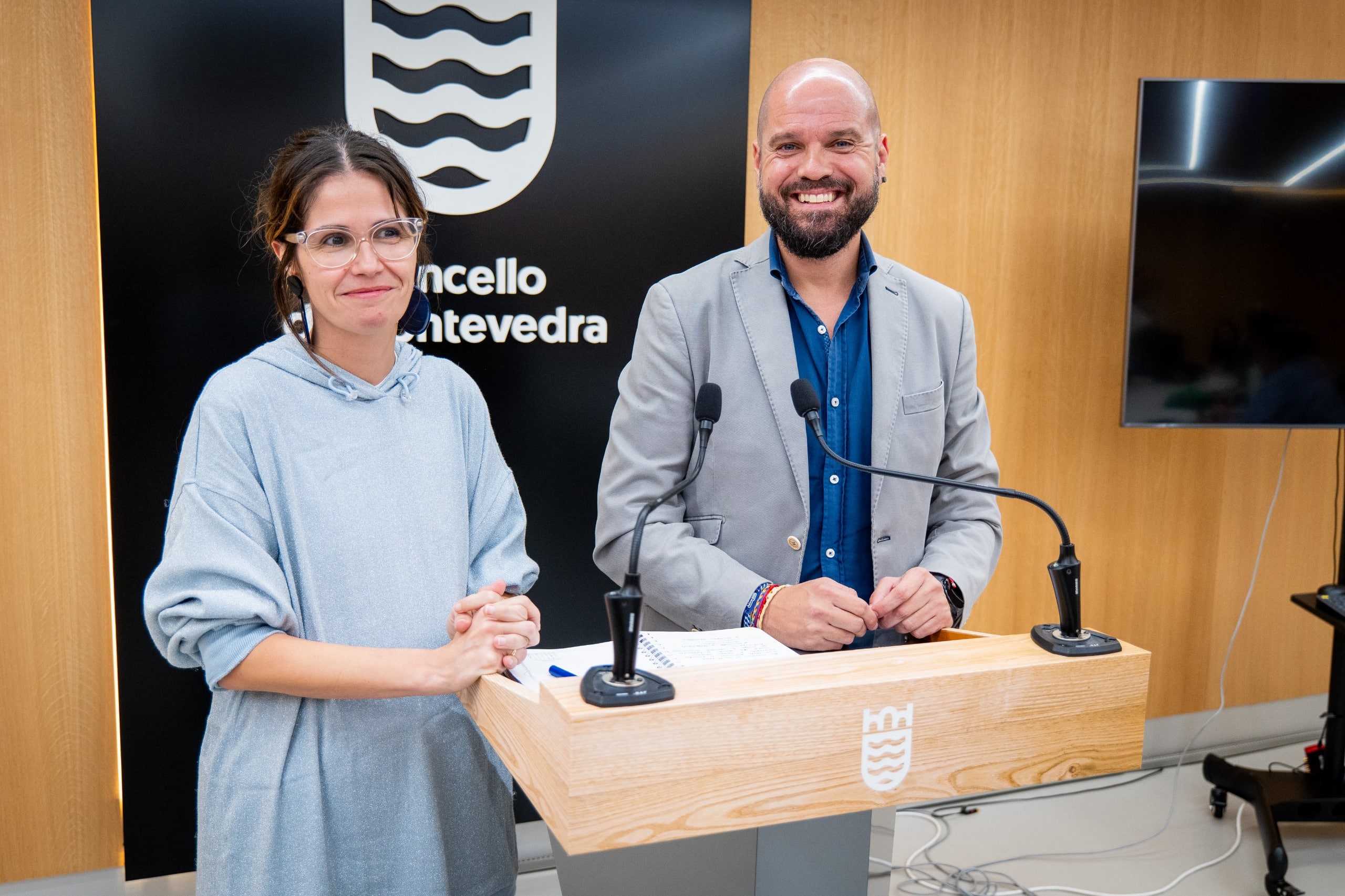
Vice president of the Government of Navarre and Minister of Memory, Foreign Action, and Basque Language, Ana Ollo, welcomed Diego García Elío at the Palacio de Navarra. García Elío visited Navarre to honour the centenary of his mother’s birth.
During the meeting, which also included César Layana, director of the Navarre Institute of Memory, Ollo highlighted the contributions of Luis Elío, a liberal labour judge and humanist from Pamplona, and his daughter, María Luisa Elío, as significant representatives of the Navarre Republican exile in Mexico.
Diego García expressed the importance of keeping the Elío family's history and documentary heritage alive through initiatives like those of the Navarre Institute of Memory. He previously presented Vice president Ollo with the book ‘Tiempo de llorar y otros relatos’, written by his mother, which recounts her experiences in exile during a visit to the region in September of the previous year.
Ollo also emphasised the value of the documentation and archives donated by the Elío family to the Navarre Institute of Memory for digitisation and dissemination, which has led to the virtual exhibition dedicated to María Luisa Elío, coinciding with the centenary of her birth.
The Navarre Institute of Memory has created virtual exhibitions on Carmen Húder and María Luisa Elío, two Navarrese women forced to leave their homeland in 1936 and ultimately exiled permanently. These exhibitions are part of the project 'Women and Memory', with the main exhibition presented last year, and are accessible to the public on the Oroibidea portal under the Exhibitions section.
Both Húder and Elío were key figures in the cultural vanguard during those tumultuous years, marked by political commitment and the repression that led to their exile. The digital exhibitions are part of the work carried out by the Navarre Institute of Memory on its Oroibidea website, aimed at recovering the work and testimonies of those who had to leave Navarre for political reasons.
The Elío family was exiled in Mexico from 1940, where young María Luisa engaged with the Spanish intellectual community in exile and had the opportunity to meet prominent figures in the Hispanic-American cultural world, including Carlos Fuentes, Octavio Paz, and Colombian writer Gabriel García Márquez, who dedicated his masterpiece 'One Hundred Years of Solitude' to her.