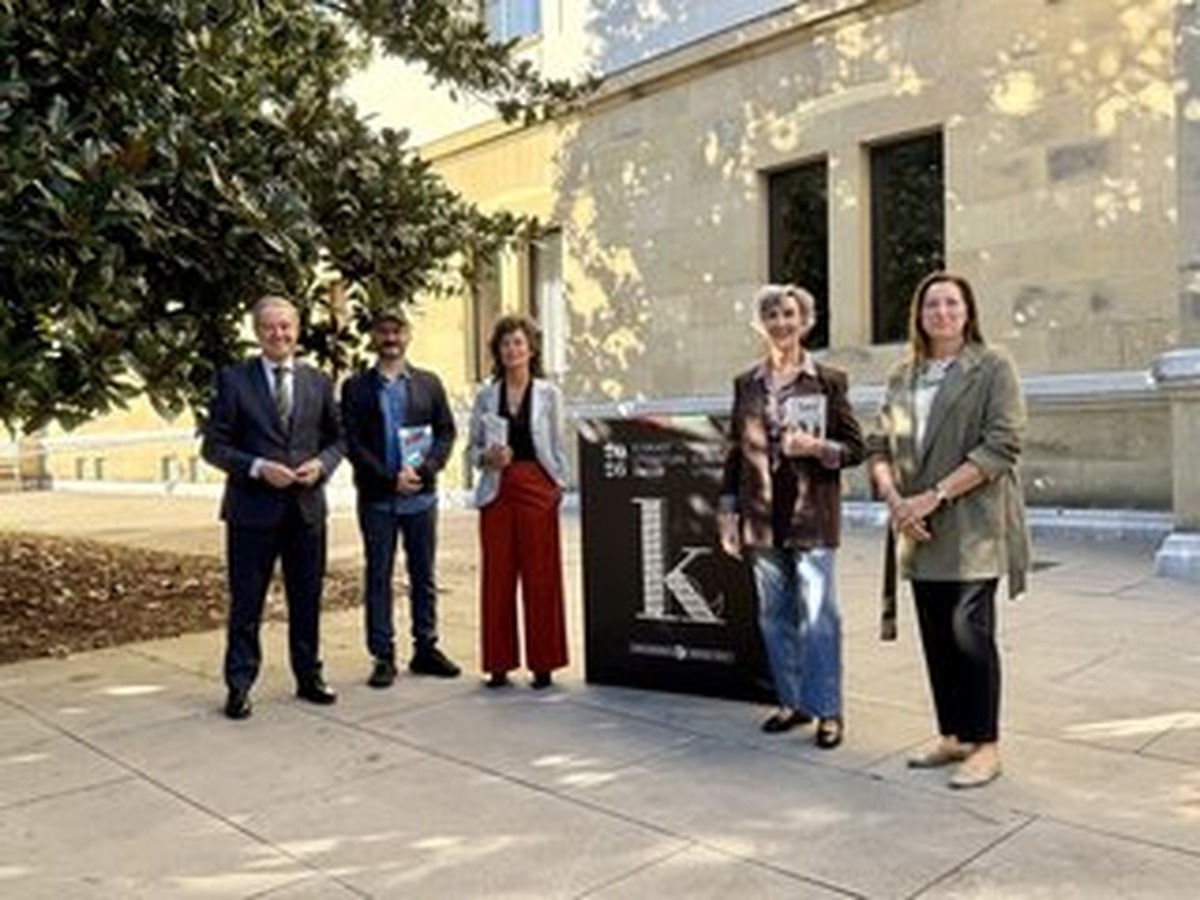
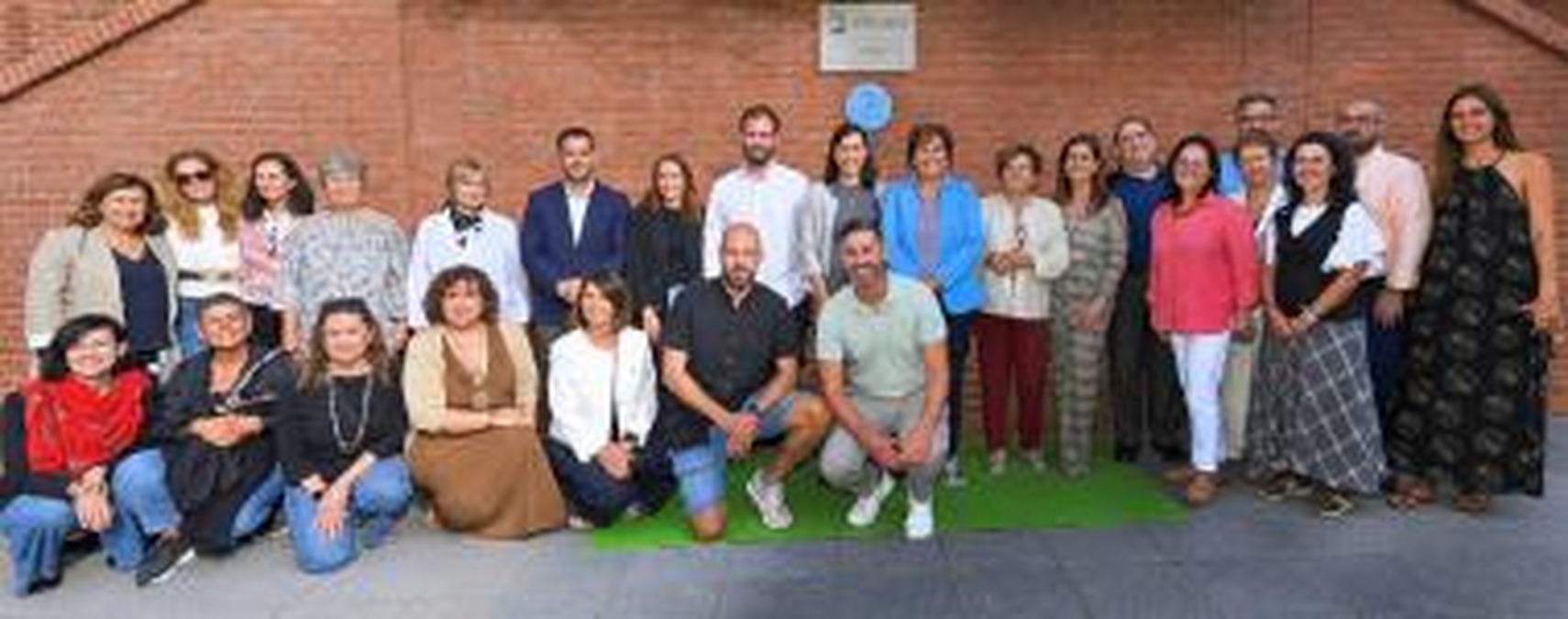
Santander has commemorated the centenary of the Institución Teresiana's presence in the city with a ceremony held at Colegio Castroverde. The event included the unveiling of a centenary plaque and a tribute to Carmen de la Vega Montenegro, a prominent figure in Santander's educational, cultural, and social history, who has been honoured with a plaque on the Route of Illustrious People.
Mayor Gema Igual attended the event, which brought together representatives from the Institución Teresiana, the educational community of Colegio Castroverde, and the Centro de Estudios Montañeses, alongside teachers, students, families, friends, and municipal officials. During her speech, the mayor congratulated the Institución Teresiana and the entire educational community of Colegio Castroverde on this anniversary, expressing gratitude for their commitment to Santander over the past century. “Today we have the opportunity to thank you for the contribution you have made to make our city better,” Igual stated.
The Institución Teresiana arrived in Santander in 1926, inspired by the thoughts and work of Saint Pedro Poveda. Its educational project began with the establishment of a Female Boarding Academy at a time when women faced significant barriers to accessing quality education. The mayor highlighted that the current Colegio Castroverde continues this legacy through an education focused on integral development, commitment to others, and individual and collective responsibility.
The second part of the event was dedicated to Carmen de la Vega Montenegro, whose name has been added to the recognition of illustrious Santander residents with a commemorative plaque that acknowledges her contributions to the city. “Carmen de la Vega represents education, solidarity, values, respect, and progress for society,” the mayor summarised, describing the honouree's legacy.
Born in Madrid in 1884, Carmen de la Vega moved to Santander in 1915 as a Grammar teacher at the Escuela Normal Femenina, of which she was a founding member. She later directed the institution from 1928 to 1932. Believing that education and culture were essential tools for expanding women's opportunities and fostering their societal participation, she built a career that extended beyond teaching. During the 1918 flu epidemic, she founded and directed the Casa de Enfermeras to support those caring for the affected. Her humanitarian work with the Red Cross earned her significant accolades, including the Gold Medal from the organisation, presented to her by Queen Victoria Eugenia in 1928.
Furthermore, she was the first woman to join the Ateneo de Santander and the first to serve on its Board, where she promoted numerous literary and cultural activities. She also chaired the organising committee for the tribute that Santander dedicated to Concha Espina in 1924. Carmen de la Vega played a crucial role in facilitating the arrival of the Institución Teresiana to Santander and the establishment of the first Female Boarding Academy in 1926, a precursor to the current Colegio Castroverde. She passed away in Santander in 1935.
This recognition aims to recover and disseminate her legacy among new generations, as well as to acknowledge the contributions of many women who paved the way for educational, cultural, and social progress during times when they faced significant challenges.
The event also featured speeches from Carmen Aragonés, director of the Spain Sector of the Institución Teresiana; Lucía Garma, director of Colegio Castroverde; Professor Fernando Ruenes; and Francisco Gutiérrez, representative of the Centro de Estudios Montañeses, who helped contextualise the centenary and recall the life of Carmen de la Vega Montenegro.