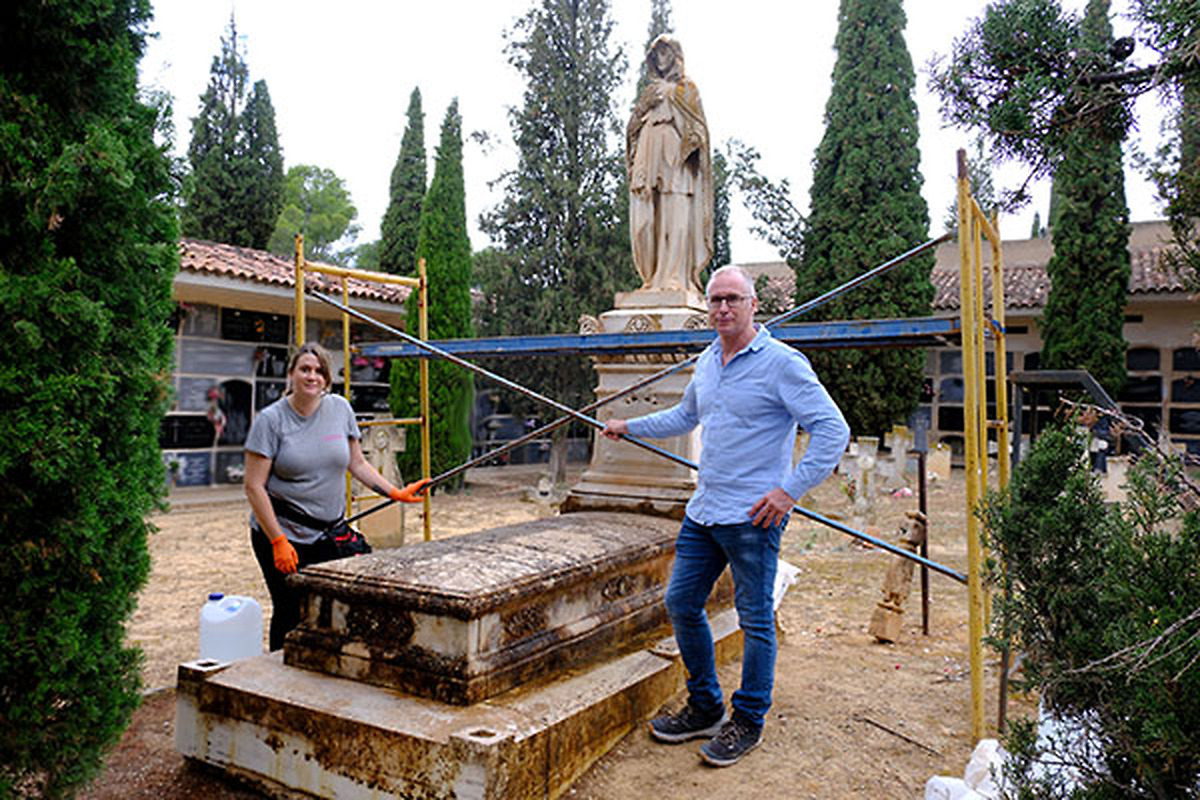
Metodologías para el Patrimonio (METOPA) has commenced restoration work on the mausoleum located in the municipal cemetery of Alcañiz, a town in the province of Teruel, Spain. The project, which has a budget of €5,767.55 (including VAT), aims to address various issues affecting the structure, particularly the removal of lichens that have colonised the stonework.
The restoration is expected to be completed between late October and early November, with a public presentation scheduled for 31 October, coinciding with a special programme organised by the Cultural Heritage and Development department in honour of the All Saints' Day festivities on 1 November.
Carlos Andreu, the municipal councillor for Cultural Heritage and Development, and Pilar Martínez, a technician from METOPA, provided updates on the restoration progress. They noted that the mausoleum has suffered significant damage due to its exposure to the elements and the conditions of the surrounding soil.
Andreu emphasised the importance of the mausoleum, stating, "It is a notable work by a renowned sculptor, and the council deemed it appropriate to restore it so that it can be appreciated in its context. This is not just a material heritage; it also represents the lives of individuals who lived and worked in Alcañiz and contributed to the city we have today."
The restoration focuses on the 'Allegory of Faith' by Faustino Nicoli, and is part of a broader effort to enhance, conserve, and recover the historical area of the municipal cemetery, always with the utmost respect for those interred there.
Pilar Martínez explained that the most visible damage is the biological colonisation of lichens, which feed on the stone and create micro-fissures over time. The restoration process involves applying biocide to eliminate the lichens, followed by mechanical cleaning. Some of the patina on the stone, particularly the dark lichens, may need to remain visible to avoid using aggressive treatments that could harm the materials, which include Carrara marble for the sculpture and its pedestal, and Macael marble for the coffin section.
The cleaning will be done carefully to avoid damaging the material, followed by a conservative treatment to prevent further deterioration. Any lost or irrecoverable parts will be volumetrically replaced with colour reintegration to ensure the restoration blends seamlessly with the overall work.
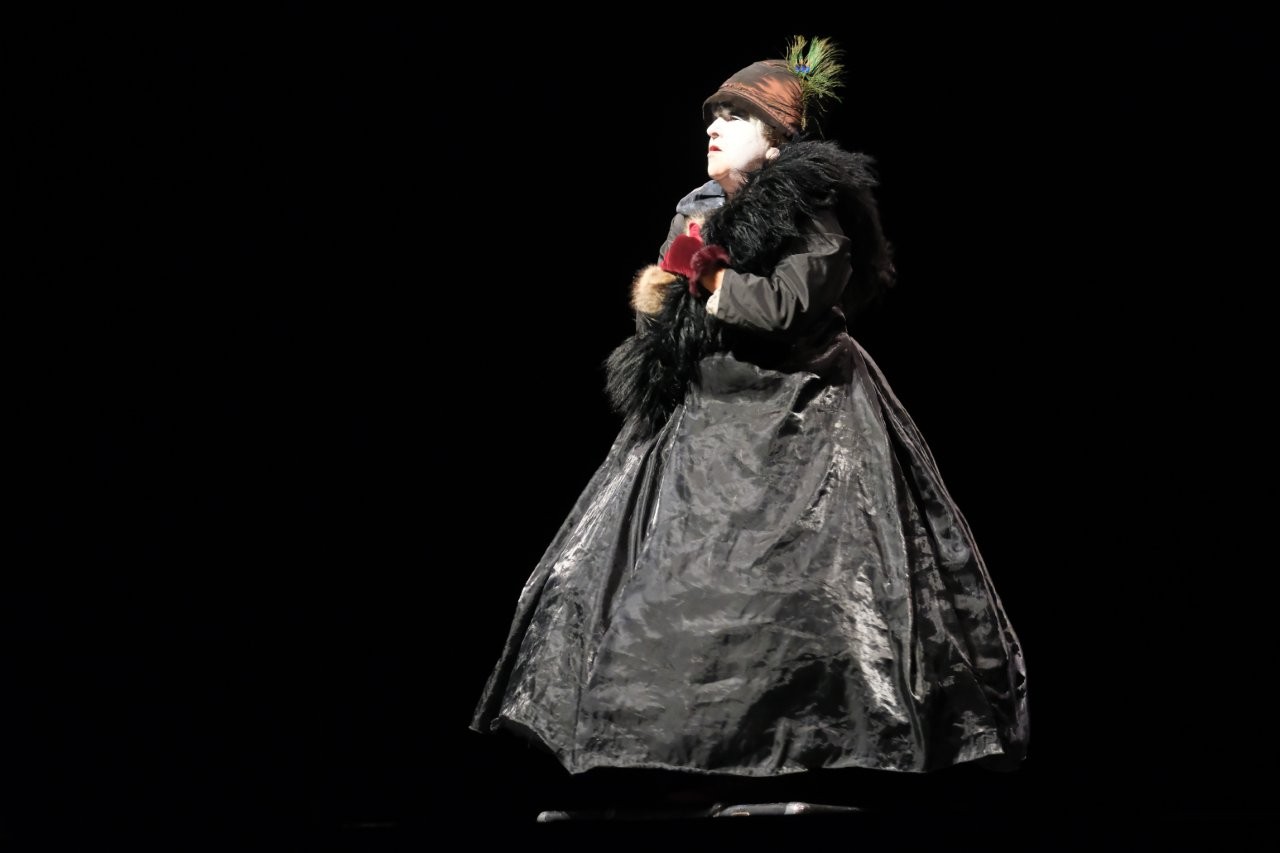
Details regarding the progress and completion of the restoration of the mausoleum of Doña Vicenta Estrada will be shared during a public visit at the municipal cemetery on 31 October at 11:00. This event is part of the programme running from 30 October to 1 November, which includes a respectful theatrical presentation about the characteristics and dedication of the funerary work. The mausoleum was commissioned in 1899 by Pilar Foz, the widow of the historic mayor of Alcañiz, Casimiro Cabañero, in recognition of the individual whose remains lie beneath the beautiful marble monument created by Faustino Nicoli, who also served as the mayor of Madrid in 1923 until the dissolution of all Spanish municipalities following the military coup led by General Miguel Primo de Rivera.