The museum is hosting the exhibition 'The Renaissance, the other arts' until 10 January. This new temporary exhibition follows the opening of a comprehensive display on renaissance painting two weeks ago, providing a broader perspective on this significant cultural movement.
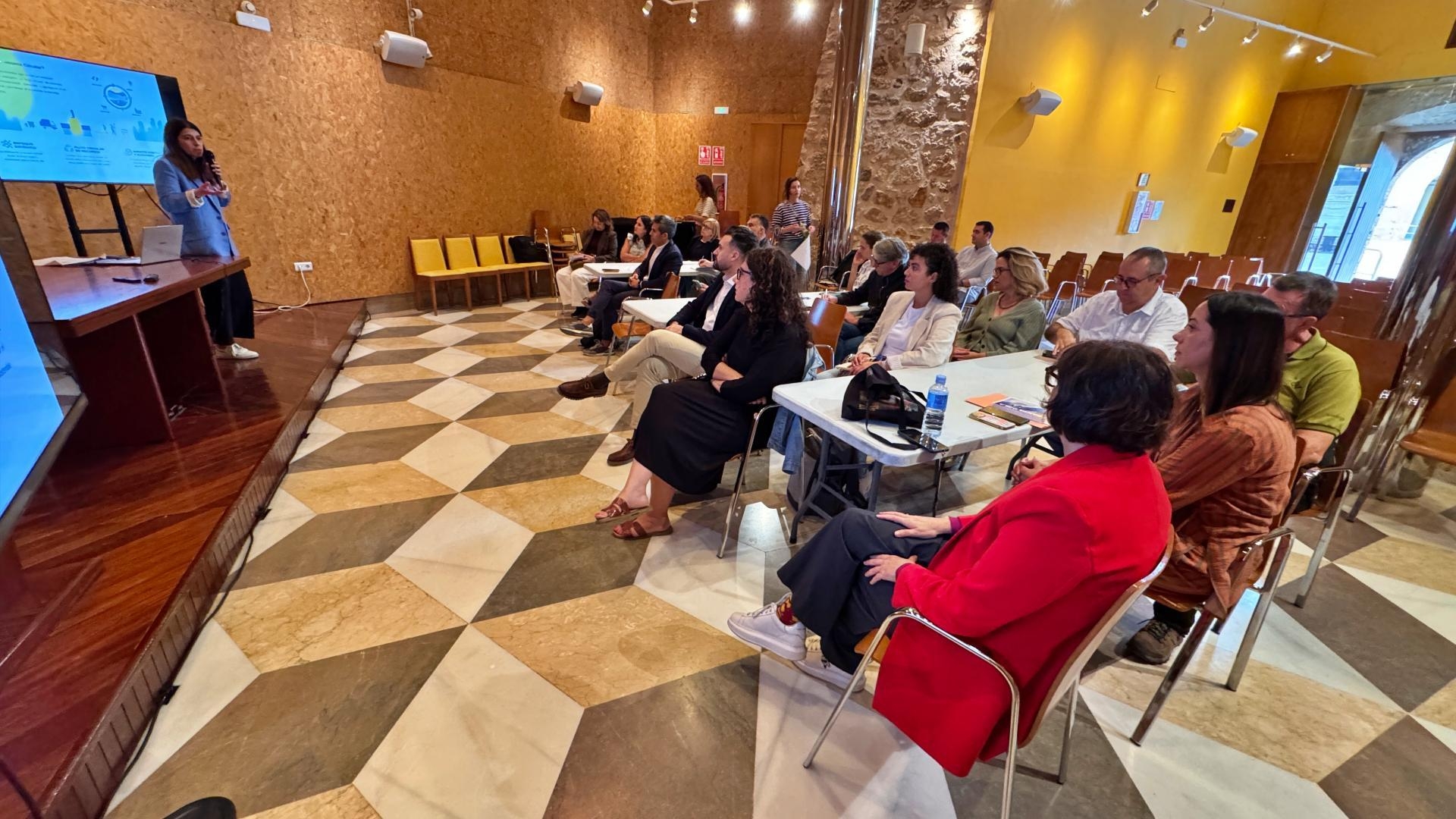
Inaugurated by Susana Rivas, the cultural delegate, and Jesús Romero, the director of the Chiclana Museum, the exhibition delves into the term 'art,' which originally encompassed a wider range of disciplines beyond the fine arts, including music, dance, and theatre. It addresses subjects that may seem distant from traditional arts, such as literature, philosophy, theology, and mathematics.
Additionally, the exhibition features more practical knowledge areas like anatomy, navigation, medicine, and astronomy—fields that significantly influenced the course of history. A pivotal invention during this time, the printing press developed by Johannes Gutenberg, is also highlighted, alongside notable figures such as Antonio de Nebrija, Saint Teresa of Jesus, Fray Luis de León, Erasmus of Rotterdam, Martin Luther, and many others who contributed to the Humanism movement.
Leonardo da Vinci and Michelangelo, who were not included in the previous exhibition focused solely on painting and plastic arts, receive special attention in this showcase. Both artists, renowned for creating some of the most iconic images in art history, are represented not just as painters but as polymaths—exemplifying the 'Renaissance Man.'
The exhibition concludes with an intriguing display of engravings from the 18th and 19th centuries, addressing the false attributions of works to Leonardo and Michelangelo that were actually created by others. 'This exhibition complements the previous displays on renaissance art, highlighting the broader sources of knowledge that Humanism provided,' Rivas noted, emphasising the importance of figures like Leonardo and Michelangelo in the narrative.
Romero added that 'these two figures, who do not consider themselves merely painters, have left humanity with two iconic masterpieces: the Mona Lisa and The Creation of Adam.' He further stressed that the exhibition showcases not only painting but also renaissance literature, featuring prominent Italian and Spanish authors, architecture, mathematics, and more.