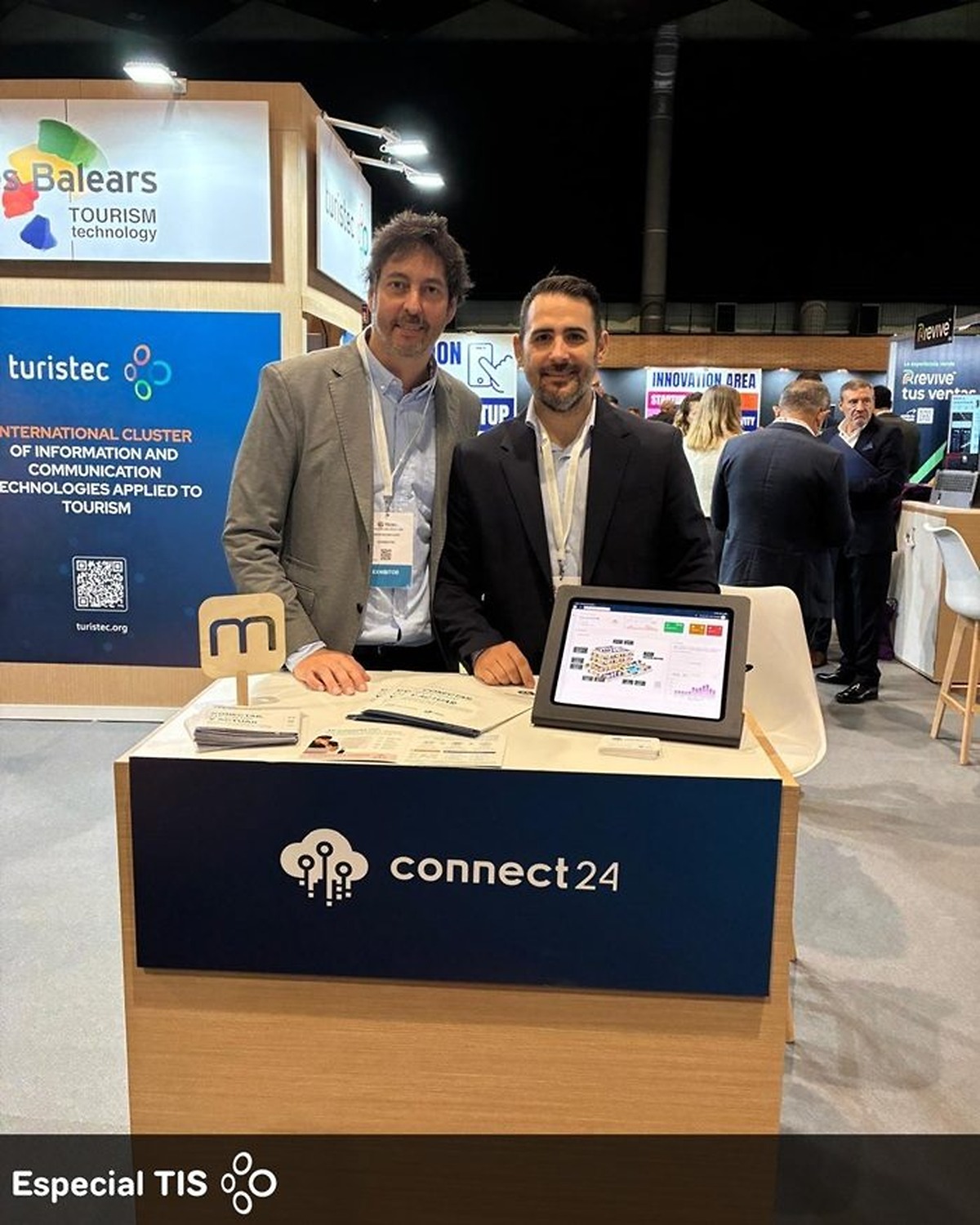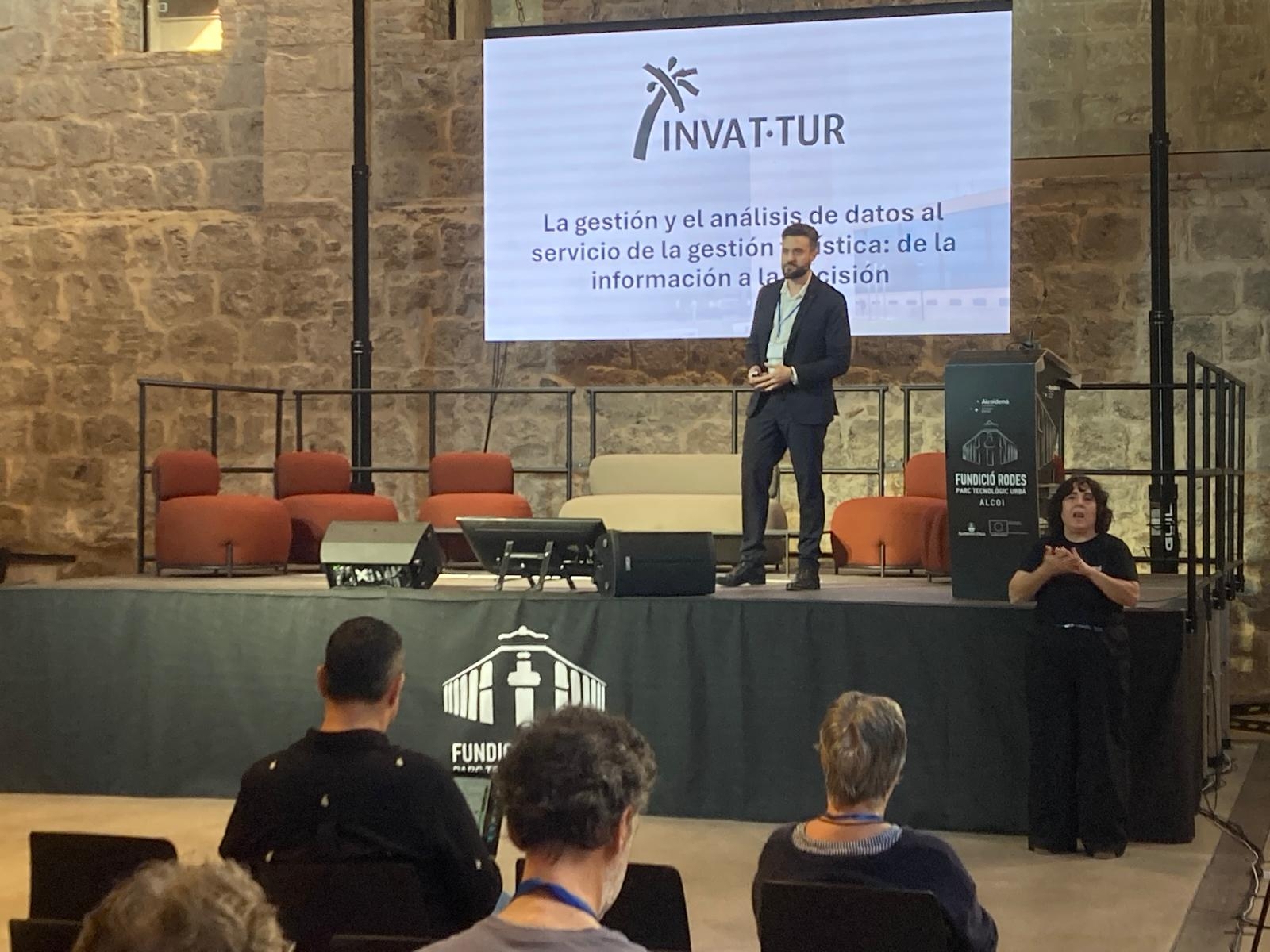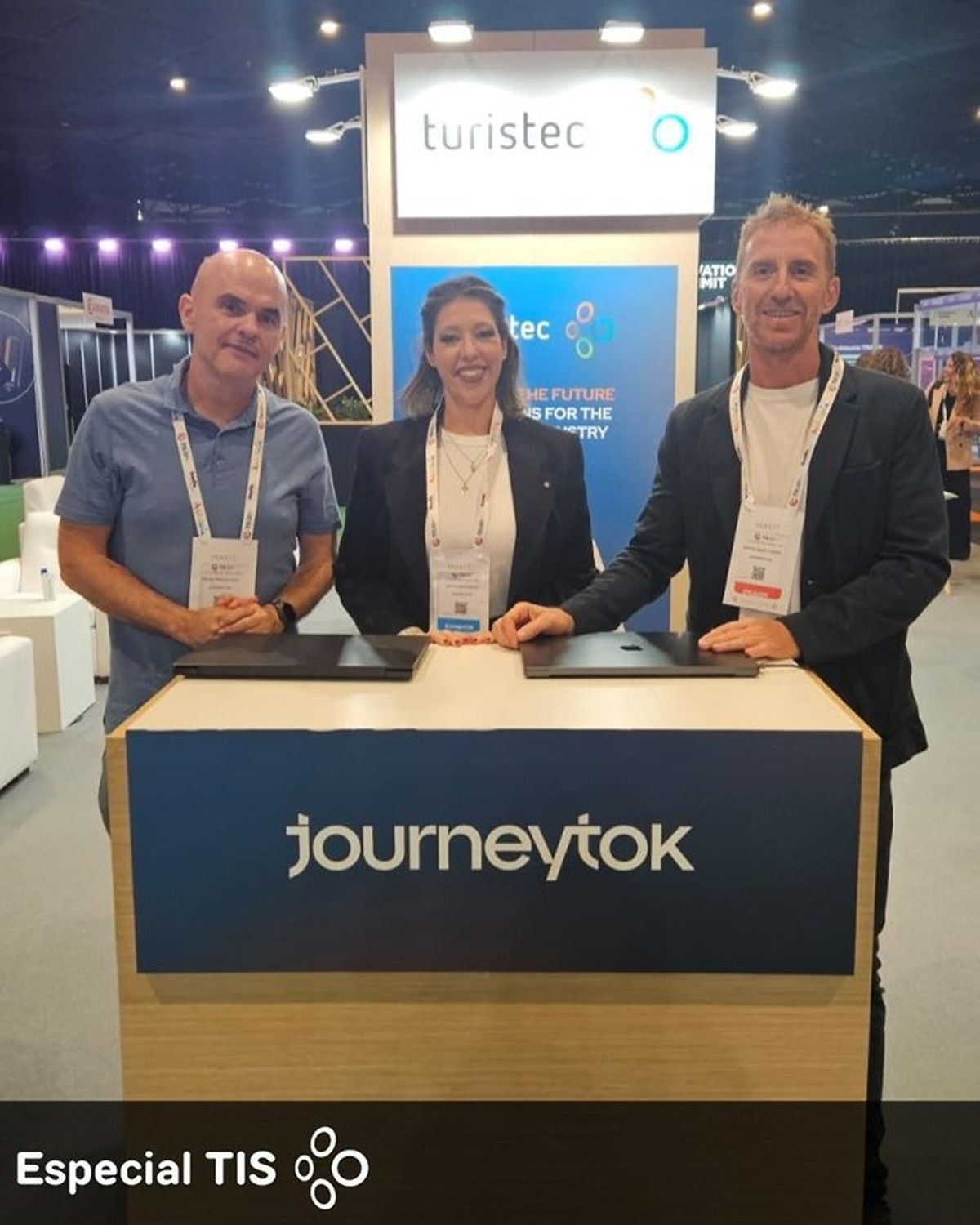
Miguel Ángel Torres, CEO of Journeytok, highlighted the evolution of communication in the hospitality industry during his participation at the Tourism Innovation Summit (TIS) 2026. He stated that effective communication with guests has progressed beyond mere confirmation emails, necessitating a blend of automation, personalisation, and appropriate channel selection to enhance customer experience without overburdening hotel staff.
During the event, co-hosted by Turistec, Torres shared key strategies for developing an effective communication approach throughout the guest journey. He discussed the significance of data, segmentation, automation, and the role of tools such as WhatsApp and artificial intelligence in enhancing interactions with travellers.
the importance of timely and relevant communication
In an increasingly digital environment, Torres stressed the need for hotels to define what to communicate, when, and through which channels. Guests expect useful and efficient communication at the right moment, appreciating information that aids their arrival, assists during their stay, or adds value to their relationship with the hotel.
He noted that the choice of communication channel is crucial. For messages requiring immediate action or quick responses, WhatsApp proves to be an effective tool. Conversely, for fostering long-term relationships and loyalty, email remains a strong option. Understanding the specific function of each channel within the guest experience is essential.
common pitfalls in hotel communication
Despite technological advancements, many hotels struggle to manage communication efficiently. Torres identified common areas for improvement, stating that some hotels still rely on manual processes that could be largely automated. For instance, managing certain payments or responding to frequent inquiries via WhatsApp can consume valuable time that could be better spent on higher-value tasks.
Another frequent issue is the lack of segmentation in communications. Many establishments send identical messages to their entire database, failing to differentiate between customer profiles, travel habits, or preferences. With reliable and well-structured data, hotels can create more precise and relevant campaigns for each guest.
essential communications throughout the guest journey
Torres outlined vital communications before, during, and after a guest's stay. Prior to arrival, reservation confirmation is crucial for building trust and providing useful information. This is also an opportunity to establish direct communication, with WhatsApp playing an increasingly significant role as many travellers prefer to interact through this platform.
During the stay, it is important to solicit feedback from guests about their experience. Simple surveys sent at the right moment can help identify and rectify minor issues before they result in negative reviews. After check-out, communication should avoid overwhelming guests, focusing instead on relevant information tailored to their interests.
the role of data in communication strategy
Torres emphasised that the effectiveness of a communication strategy hinges on the quality of available data. Reliable data and well-constructed guest profiles are essential for personalising communication effectively. When a customer appears multiple times or information is incomplete, it becomes nearly impossible to tailor messages appropriately.
Integrating data from various sources, such as property management systems (PMS), booking engines, and online check-in, provides a comprehensive view of each guest. This enables hotels to design genuinely useful and relevant communication strategies, as well as make informed business, marketing, and revenue decisions.
strategies for effective channel selection
When deciding which communication channel to use, hotels should align their choice with the communication's objective. For immediate actions, such as completing check-ins or making payments, WhatsApp is often the best option. In contrast, for maintaining long-term relationships through promotions and loyalty campaigns, email remains highly effective. The key is not to select a single channel but to understand when and how to use each one to maximise communication value.
practical recommendations for the tourism sector
Following their participation in TIS, Torres offered several practical recommendations for tourism businesses. Firstly, he advised reviewing all current communications to assess their necessity and effectiveness. Secondly, he suggested analysing the time teams spend on repetitive communication tasks, as there are often clear opportunities for automation. Thirdly, he stressed the importance of maintaining a quality database, as reliable information is the foundation for any personalisation or loyalty strategy.
Lastly, he encouraged a balanced view of artificial intelligence, recognising its potential while advising businesses to first identify the problems they wish to solve and the real value it can provide before adopting it merely for trend's sake.
Reflecting on their participation as co-exhibitors at TIS, Torres described the experience as very positive, noting that it was their first time at the event alongside Turistec. He expressed gratitude for the warm welcome from the team and other participating companies, highlighting the shared goal of developing technology that adds real value to the tourism sector.
Turistec congratulated its partners for being finalists for the Next-Gen Customer Experience Award at the Tourism Innovation Awards, which recognises initiatives that leverage data and technology to enhance customer experiences.