The Regulatory Council of the Protected Designations of Origin for Condado de Huelva wines and vinegars has concluded its fourth edition of the 'Technical Course on Wines and Vinegars of Condado de Huelva'. This initiative has become a staple in the annual training calendar for the wine sector, attracting increasing interest from professionals and experts in the field.
This year’s course received more than 70 applications for just 25 available places, underscoring the programme's appeal to those wishing to deepen their understanding of the quality products associated with the Condado de Huelva region. Participants included a diverse group of enologists, sommeliers, and other professionals from the hospitality and wine sectors, hailing from various parts of Spain as well as countries such as Portugal, the Netherlands, and several locations in the Americas.
The course combined theoretical knowledge with practical experience, allowing attendees to explore the wines and vinegars protected by the Condado de Huelva designation. Vicente Pérez García de Prado, president of the Regulatory Council, emphasised the professional backgrounds of the participants and their eagerness to learn not only about the products but also the territory from which they originate. He noted that this training enables professionals who recommend these products to consumers to understand vineyard cultivation, wine production, and the unique climatic, landscape, and cultural characteristics of the Condado de Huelva.
Pérez García de Prado highlighted that wine conveys much more than its sensory characteristics; each reference carries a story linked to its origin, the people working in the fields, and the traditions of the region. He considers it particularly valuable for professionals from different countries to visit the Condado, explore its wineries, and subsequently share that knowledge with their clients and establishments. This advocacy work contributes to increasing the visibility and recognition of the wines and vinegars from the area.
The course provided a comprehensive overview of the viticultural reality of Condado de Huelva, blending technical content with on-the-ground experiences. Participants delved into grape varieties, production processes, and the specific characteristics of the protected wines and vinegars, alongside visits to vineyards and wineries to observe the work of local viticulturists and producers. This hands-on approach fosters an understanding of the relationship between the product and its origin, as well as the diversity of production methods available in the region.
Juan Diego Moguer García, a sommelier at Hotel Alfonso XIII in Seville and one of the course participants, expressed the importance of understanding the unique characteristics of Condado wines and their varieties. He noted that the training has already led to tangible outcomes, including establishing contact with participating wineries to explore incorporating their offerings into the hotel’s wine list. His experience reflects one of the programme's primary objectives: ensuring that the knowledge gained during the course translates into professional practice and enhances the presence of Condado wines in restaurants and specialised establishments.
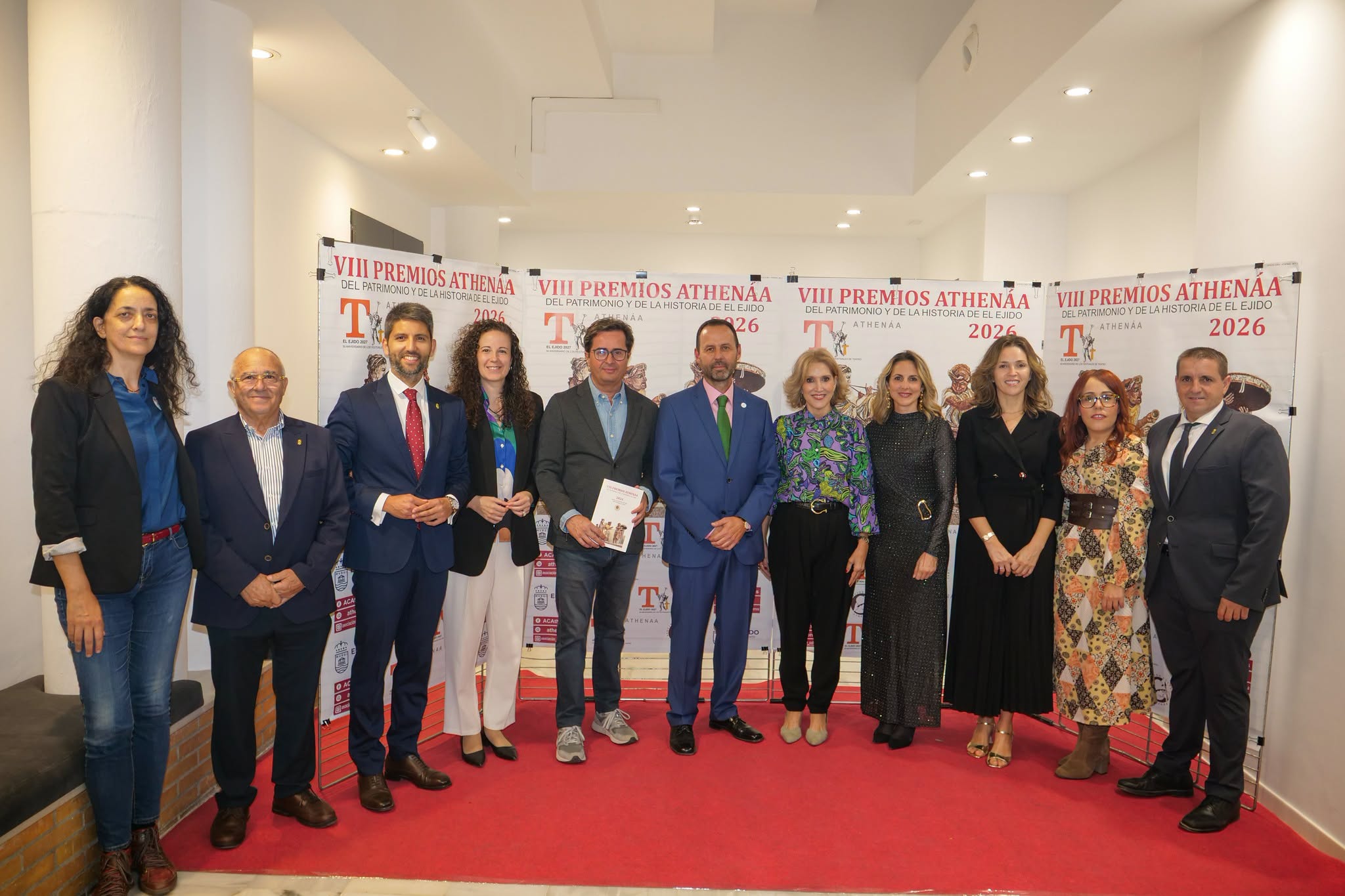
The closing event was attended by various representatives from institutions and administrations that collaborate with the Regulatory Council throughout the year. Álvaro Burgos from the Territorial Delegation of Agriculture praised the Council's efforts to promote Condado wines and create new opportunities for the sector. He highlighted that familiarising professionals from the hospitality and wine sectors with the region's specifics is an effective way to broaden its reach and ensure products enter new markets.
Burgos linked this promotional work to the need to ensure the continuity of viticultural activity and improve prospects for farmers and wineries. He commended the collaborative efforts of administrations and the sector regarding the 'Andalusian Vineyard Strategy', aimed at analysing the current state of cultivation and proposing measures to enhance profitability, generational renewal, and adaptation to new markets and consumption habits.
José Carlos Álvarez Martín, General Secretary of Agro-Food Industry and Rural Development of the Junta de Andalucía, acknowledged the programme's success in bringing together specialists from various backgrounds. He stressed the importance of promotion in showcasing both product quality and the processes and knowledge behind their production. Álvarez Martín particularly noted the value of having professionals who can act as ambassadors for Andalusian products, conveying their qualities to consumers.
Gracia Clavijo, Councillor for Tourism and the wine sector of the Bollullos Par del Condado City Council, emphasised the significance of hosting the course's closure in a locality that contributes to projecting the viticultural identity of the municipality and the entire region. She highlighted the collaboration between the City Council, the Regulatory Council, and the wineries, as well as the importance of such activities in showcasing Bollullos' potential and its offerings beyond the provincial level.
Finally, Adrián Moreno, manager of the Wine Route of Condado de Huelva, regarded the course as an opportunity to enhance the region's profile among specialised professionals and to highlight the array of tourist, gastronomic, and cultural resources available. He noted that the presence of international participants broadens the scope of promotion and creates new opportunities for Condado wines to find a place in professional establishments across different markets. Moreno connected this initiative to the current momentum of the 'Wine Route of Condado de Huelva' following its official certification by ACEVIN, emphasising the importance of coordinating efforts among administrations, wineries, farmers, the hospitality sector, and tourism businesses. The shared goal is to strengthen viticultural activity and ensure that vineyards remain a viable crop with a promising future, maintaining their social, economic, and environmental significance in the region.