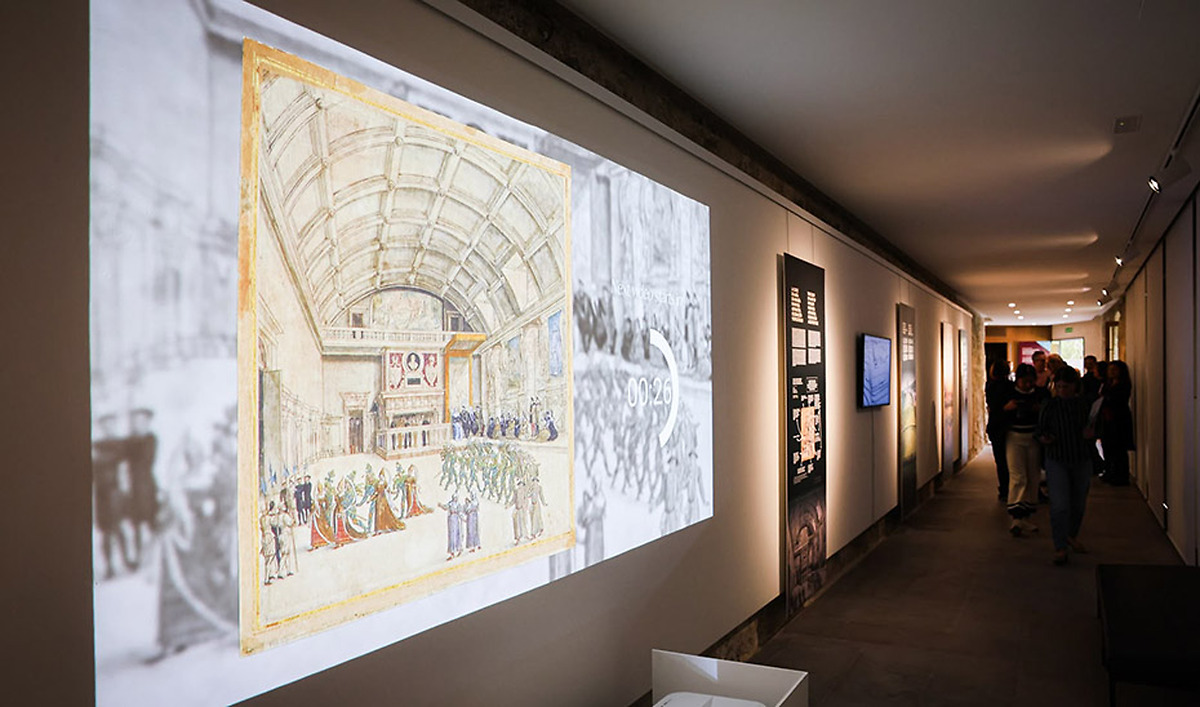
The Alhambra is offering a glimpse into the European Renaissance through the life of María de Hungría, sister of Emperor Charles V and one of the most influential rulers of the 16th century. The audiovisual exhibition titled 'The dream of a Renaissance princess: María de Hungría' is on display at the Cordelería Workshop until 20 November. It features virtual reconstructions that revive the artistic splendour of her court and the legacy of a woman who wielded culture as a form of power.
Rodrigo Ruiz-Jiménez, director of the Alhambra and Generalife, and Alberto Sanz, president of the Network for the Cooperation of the Routes of Emperor Charles V, visited the exhibition, which is part of an international cooperation project aimed at recovering lost artistic and architectural heritage. Ruiz-Jiménez noted, "This exhibition complements our programming commemorating the 500th anniversary of Charles V and Isabel of Portugal's arrival in Granada and allows us to connect with a fundamental figure of the Renaissance: María de Hungría, sister of the emperor and governor of the Netherlands."
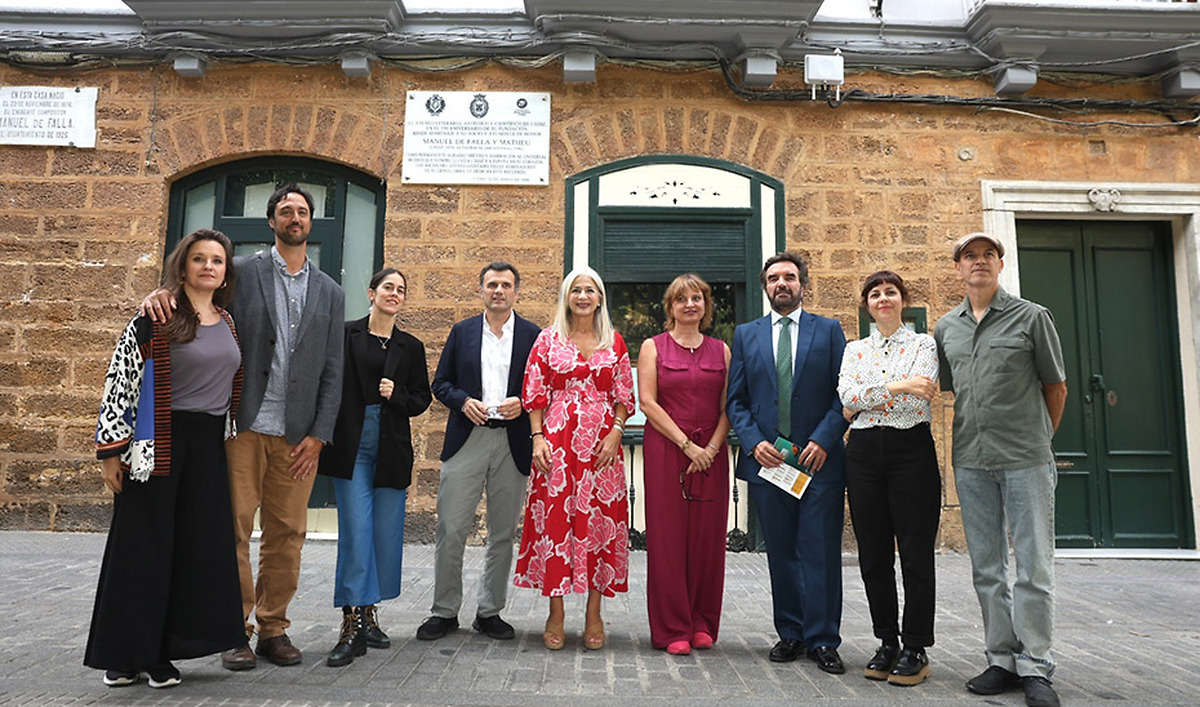
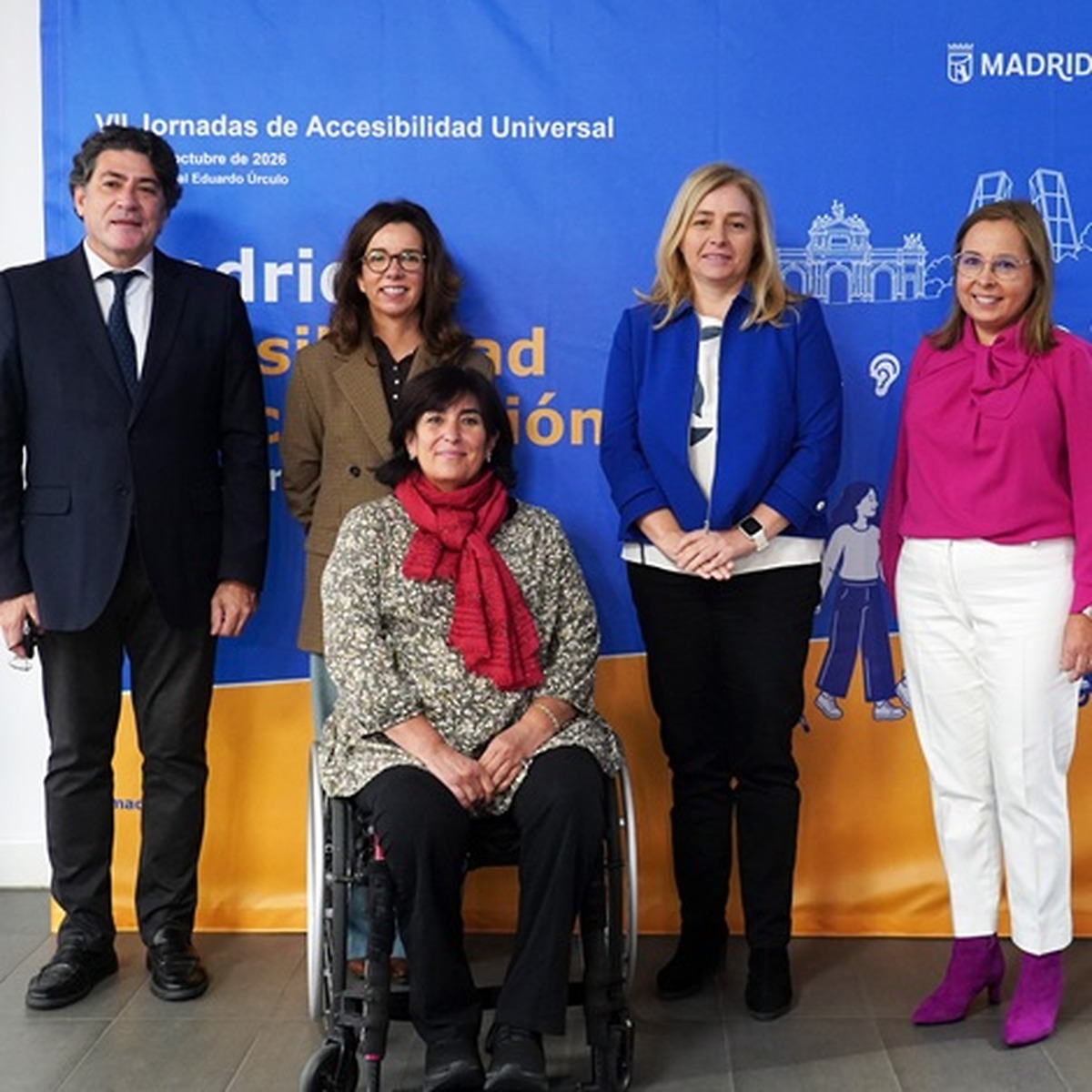
Ruiz-Jiménez, along with the delegate for Culture in Granada, the exhibition curator, and other project members, underscored the significance of this initiative. Sanz remarked that it represents a splendid example of international cooperation for the dissemination of our shared European heritage, bringing the public closer to a crucial period of our collective history.
María de Hungría governed the Netherlands on behalf of her brother during a time of intense political and religious turmoil. Recognised alongside Isabel of Portugal as one of the prominent female figures of the House of Habsburg, she was noted for her diplomatic skills and artistic patronage, gathering notable creators of the era around her court.
Patricia del Pozo, the regional Minister of Culture, Historical Heritage and Sport, and president of the Alhambra and Generalife, highlighted that "this exhibition rescues the story of an exceptional woman who exercised power with intelligence and determination at a time when women faced significant barriers to decision-making roles. María de Hungría left a political and cultural mark that deserves to be known and acknowledged."
One of the exhibition's main attractions is the digital reconstruction of the now-lost Binche Palace in present-day Belgium, which María de Hungría transformed into a significant centre of Renaissance culture. There, she hosted grand court celebrations, including one in 1549 for Emperor Charles V and his son, the future Philip II. The Binche Palace played a role comparable to that of Charles V's Palace in Granada, both designed as symbols of prestige and representation for the Habsburg dynasty, reflecting the importance of architecture and the arts in imperial politics.
Through audiovisual resources and immersive reconstructions, visitors can explore the palace's rooms, discover the life of the court, and experience the music and celebrations of the time. The exhibition also includes the hunting pavilion of Mariemont and the interpretation of the motet 'Sancta Maria', composed in 1548 for the governor.
Del Pozo stated, "The Alhambra is a privileged setting to tell this shared story between Spain and Belgium. The exhibition allows us to view the past from a different perspective and discover, thanks to new technologies, a heritage we believed lost." The exhibition is organised by the European project MARY4ALL, the Alhambra and Generalife, under the Ministry of Culture, Historical Heritage and Sport, and the University of Granada. It forms part of a cultural cooperation initiative involving institutions from Belgium, France, and Spain to recover, through historical research and new technologies, the architecture, music, and other artistic expressions of the Renaissance that have disappeared.
Coordinated by the Royal Domain and Museum of Mariemont in Belgium, the project collaborates with KU Leuven, the Centre for Advanced Renaissance Studies at the University of Tours, and the Network for the Cooperation of the Routes of Emperor Charles V, which includes the Patronato. The exhibition is free to visit at the Cordelería Workshop until 20 November, open Monday to Friday from 16:00 to 18:00, and on Saturdays and Sundays from 11:00 to 14:00 and 16:00 to 18:00.