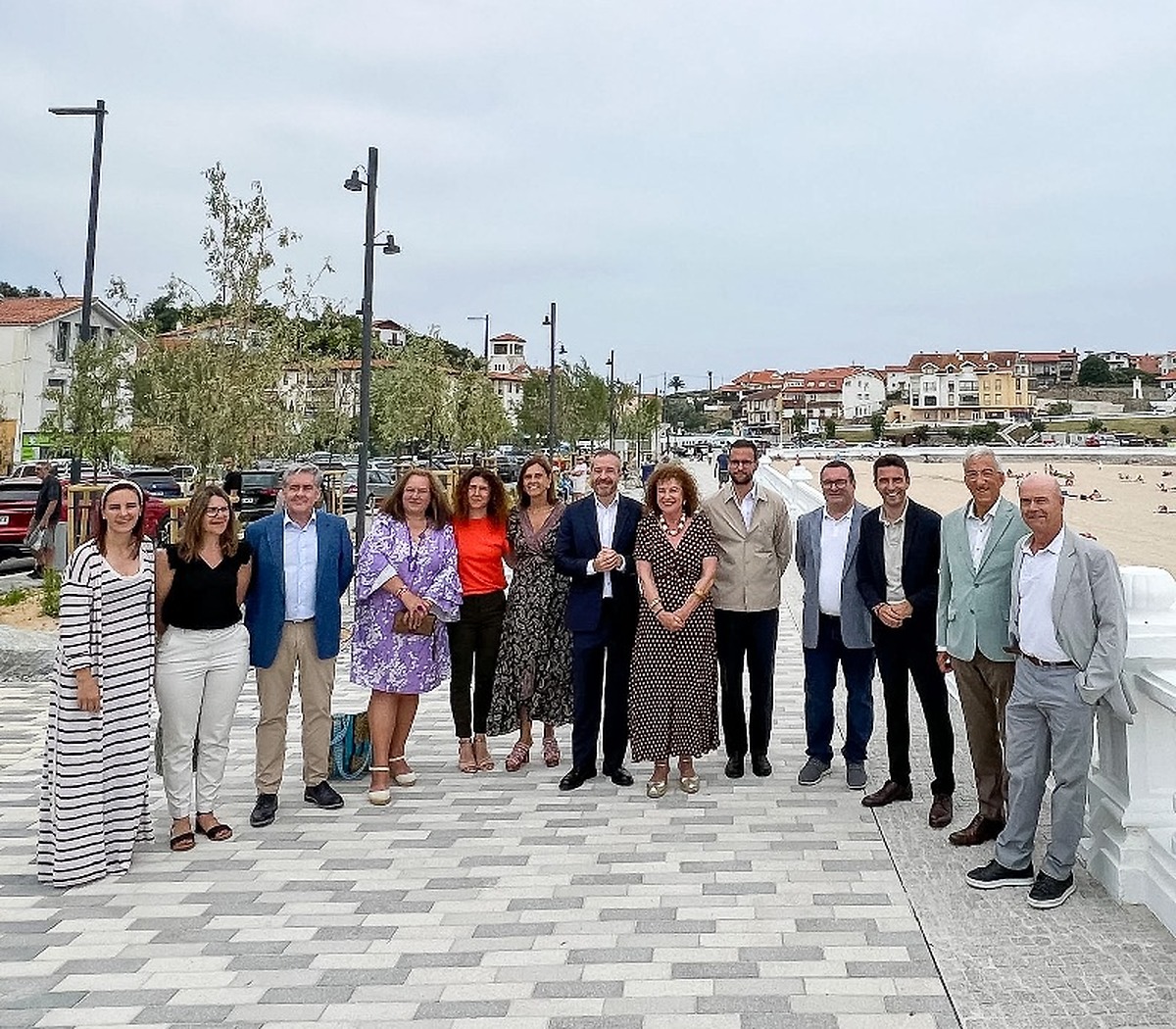
The restoration of the secaderu, an emblematic structure linked to Comillas' maritime tradition, has been successfully completed. This initiative aims to preserve and promote the heritage associated with the town's fishing industry.
The Comillas Town Council announced the completion of the project, which began following the approval of an agreement with the coastal authorities during the last municipal plenary session. Mayor María Teresa Noceda Llano stated that the primary goal has always been to conserve and enhance the secaderu as a vital part of Comillas' maritime history.
“To achieve this, it was essential to formalise the agreement with the coastal authorities, which was approved by the plenary session and allowed us to carry out this work with all necessary guarantees,” Noceda Llano explained. “The objective of the project has never changed: to protect this heritage element and convey its value to future generations,” she added.
Councillor for Culture, Vanesa Sánchez Treuba, highlighted Comillas' unique identity, stating that the town is not only known for its modernist and monumental heritage but also for its deep connection to the sea, which has been integral to its identity for centuries.
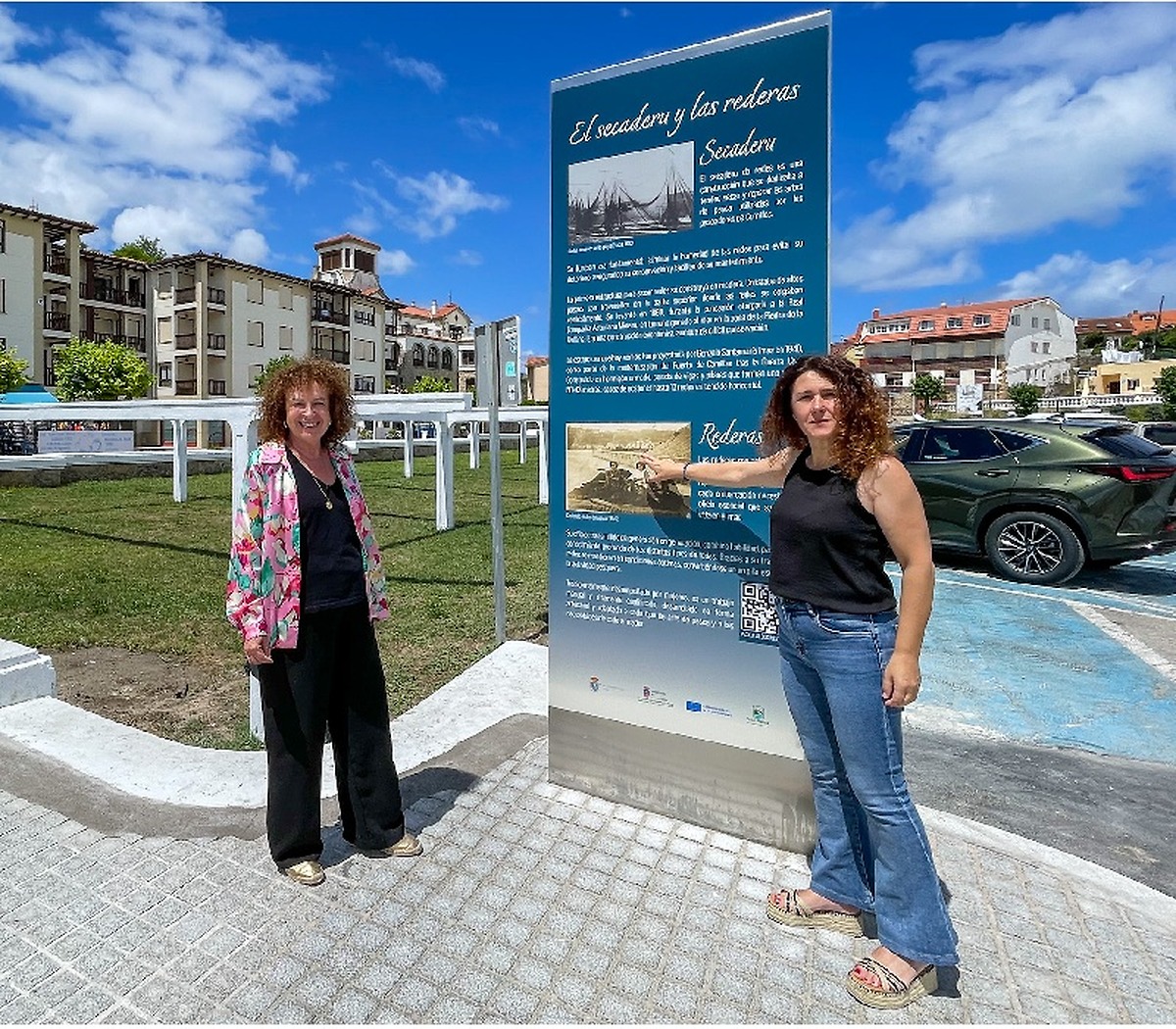
The restoration work included painting the entire structure of the secaderu white and addressing any structural cracks or deterioration. An informative panel detailing the history of the secaderu, the work of net-makers, and the significance of the fishing sector in the town will also be installed. Additionally, a documentary video featuring testimonies from local fishermen and net-makers will be produced. This audiovisual material will be accessible via QR codes placed in the area and shared on social media and the municipal website.
This project is part of a broader agreement between the Cantabria Government's Ministry of Rural Development, Livestock, Fishing, and Food and the Saja Nansa Rural Development Association, aimed at implementing participatory local development in the fishing sector of Western Cantabria, supported by the European Maritime, Fisheries and Aquaculture Fund 2021-2027 (FEMPA).