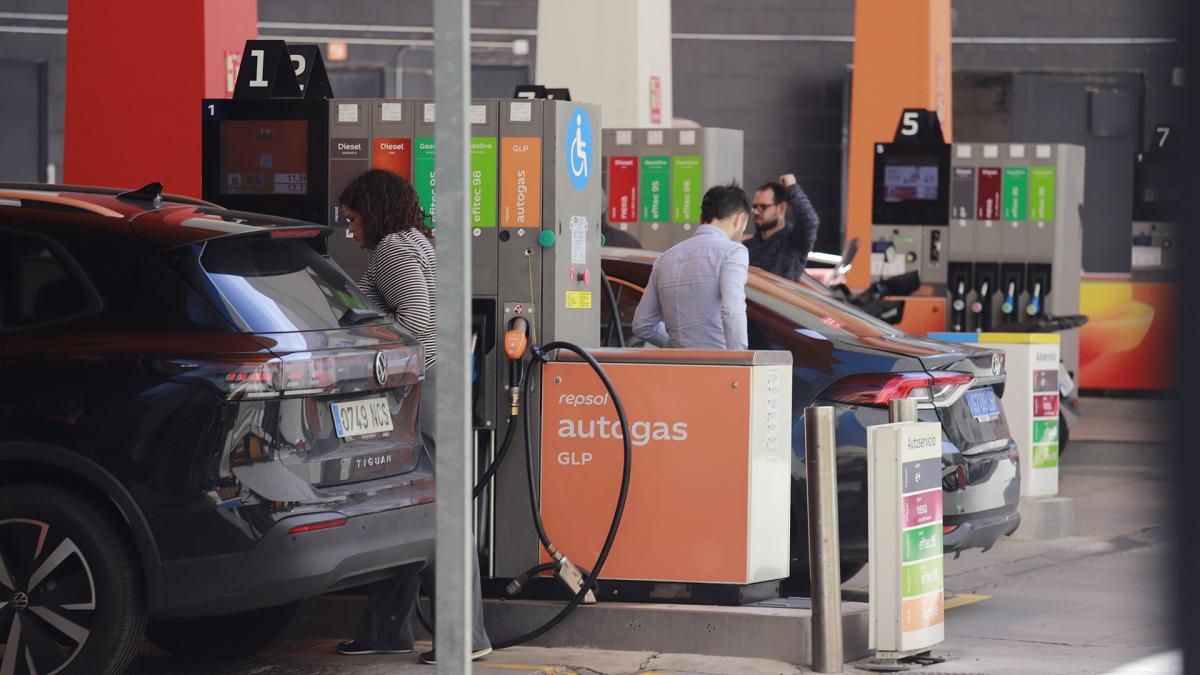
The Spanish government has approved a new Royal Decree-Law 25/2026 to continue the package of measures implemented since March to address the rising costs of energy, fuels, and their derivatives, which have significantly impacted families and vulnerable sectors.
Many of the temporary measures that were in place were set to expire at the end of September, prompting the need for this new decree to extend the government's response to ongoing energy tensions exacerbated by the conflict in the Middle East and its effects on international markets.
This decree consolidates a comprehensive package of measures that combines immediate actions to mitigate the crisis's impact with structural reforms aimed at reducing dependence on fossil fuels, accelerating electrification, and enhancing the adaptability of the energy and production system.
Published in the Official State Gazette, the Royal Decree-Law 25/2026 extends existing measures until 31 December. Support for professional transport, agriculture, livestock, and fishing—sectors most affected by rising costs—will continue, alongside a gradual reduction in fuel prices unless they spike again. Tax reductions on electricity and gas will remain contingent on any future price increases.
Additionally, the decree introduces new measures to tackle rising gas costs, including delaying increases in the Regulated Single Tariff (TUR) and setting a maximum price for butane canisters. It also maintains labour conditions for companies receiving aid, prohibiting certain layoffs until 31 December 2026. Companies required to have a sustainable mobility plan must comply to receive assistance; otherwise, they may be required to repay the funds.
The National Commission on Markets and Competition (CNMC) will monitor the implementation of these measures, evaluating their impact on final prices, profit margins, and competition in energy and food markets, and will provide recommendations for improving their effectiveness.
CCOO, a major trade union, has participated in sectoral meetings led by the Ministry of Economy and has submitted a document outlining 20 ambitious measures to address rising energy prices. These measures aim to protect the incomes of working families and jobs while sustaining productive activity during various phases of this energy shock.
CCOO emphasises the importance of preventing this energy shock from broadly affecting the economy and the prices of goods and services that make up the consumption basket for working families. The union insists that public resources and tax reductions should be used to contain prices and costs for households and businesses, rather than increasing corporate profit margins.
CCOO highlights the crucial role of the CNMC in monitoring and evaluating the effectiveness of the approved measures. It is essential to determine whether these measures translate into final prices, how profit margins evolve along value chains, and whether sufficient competition exists to ensure that the support achieves its intended purpose.
The union calls for ongoing monitoring of inflation trends. If rising energy prices begin to affect the prices of a broader range of goods and services, the current package may prove insufficient, necessitating new measures to protect workers' incomes and prevent further loss of purchasing power.
CCOO's document includes initiatives for future phases, such as targeted assistance of €300 for families with incomes below the average and the reactivation of the so-called Iberian exception, which sets a cap on gas prices in the electricity pricing system.
Finally, CCOO urges business organisations to engage in negotiations for a new Employment and Collective Bargaining Agreement that can effectively respond to the rising prices impacting workers' purchasing power. Salary negotiations should help prevent the consequences of this new energy shock from falling disproportionately on workers.