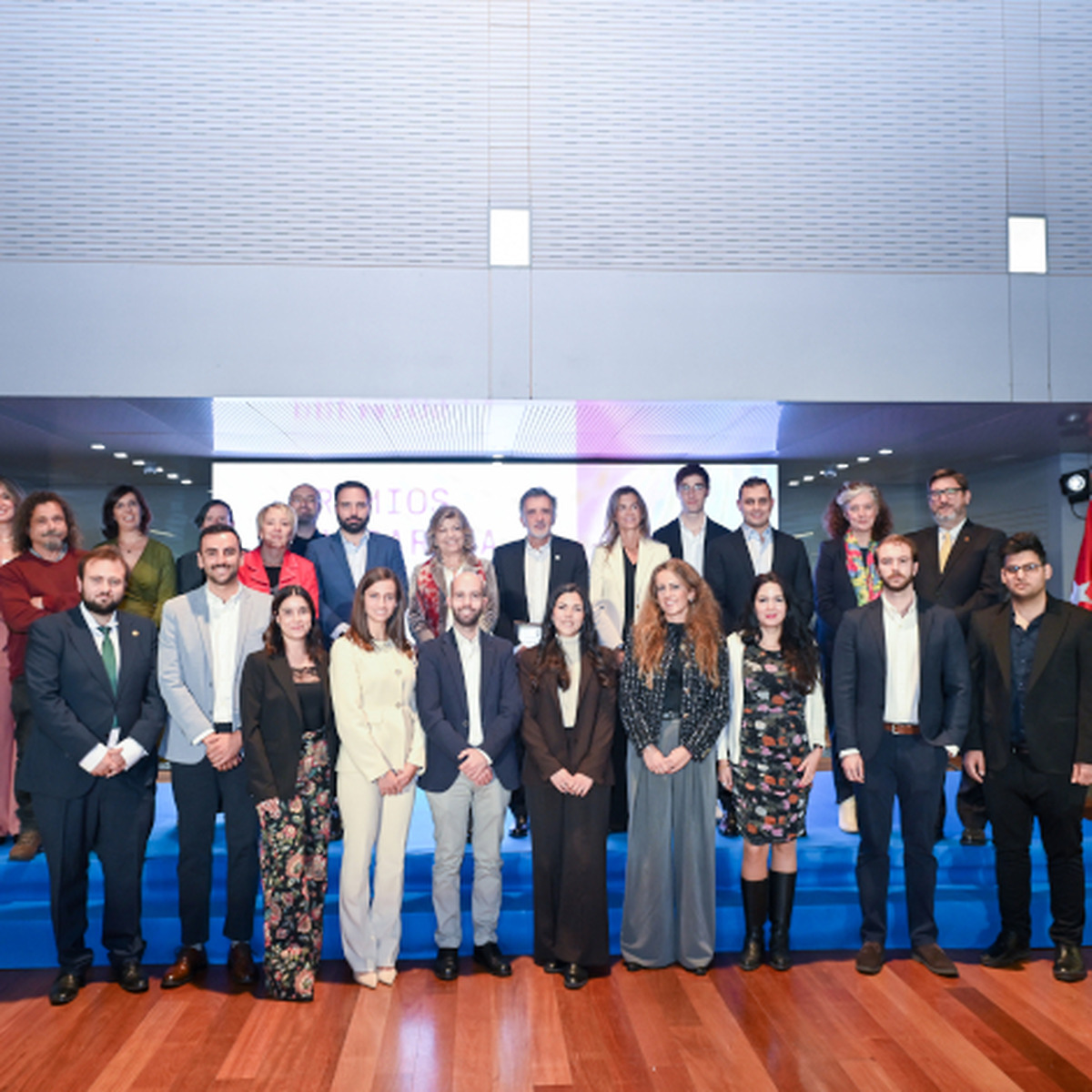
The City of Madrid has honoured the talents of young researchers in the sixth edition of the Margarita Salas Prizes for Scientific and Technological Research. This year, a total of €129,000 was awarded to researchers from five public universities in Madrid, further establishing these prizes as a benchmark in the academic and research sectors.
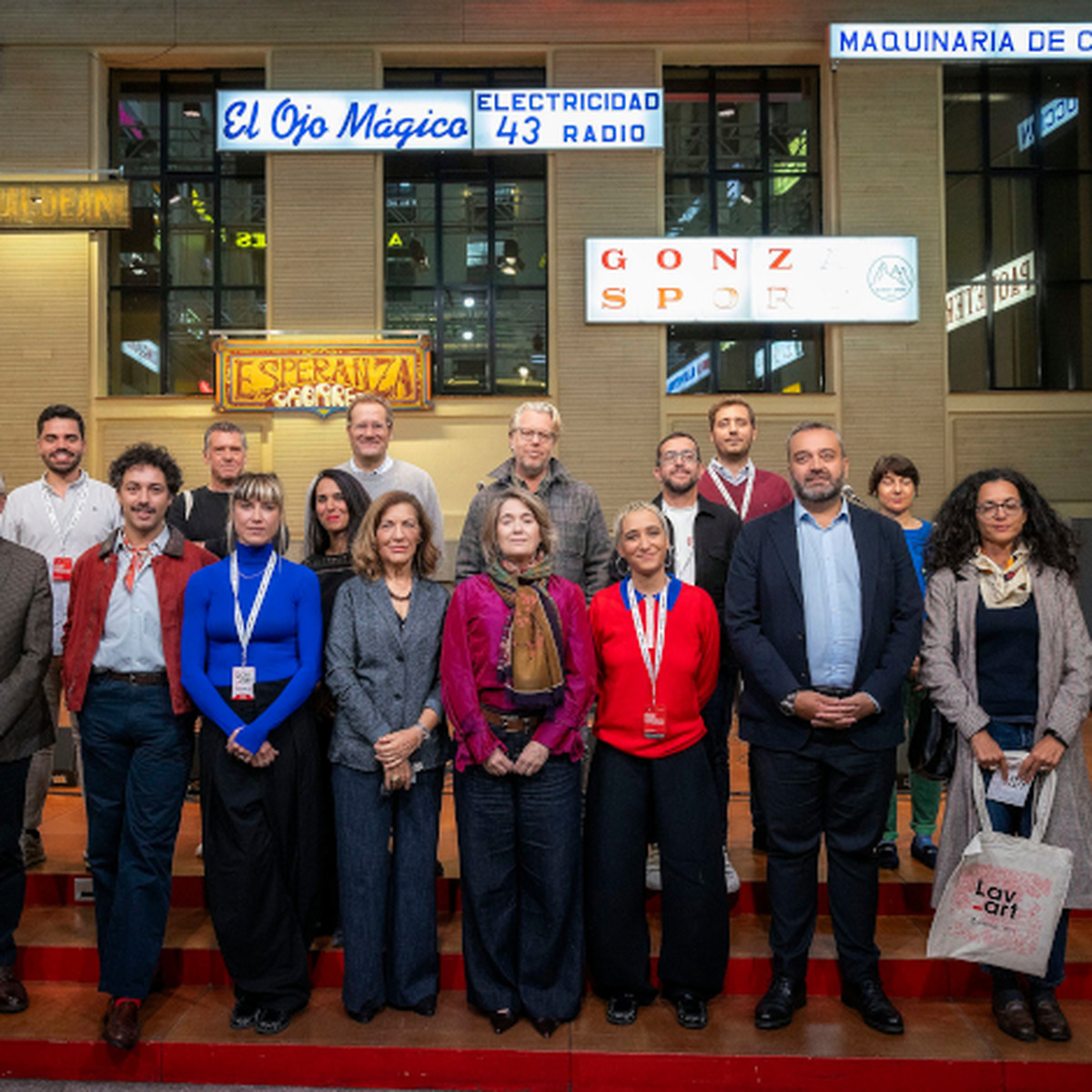
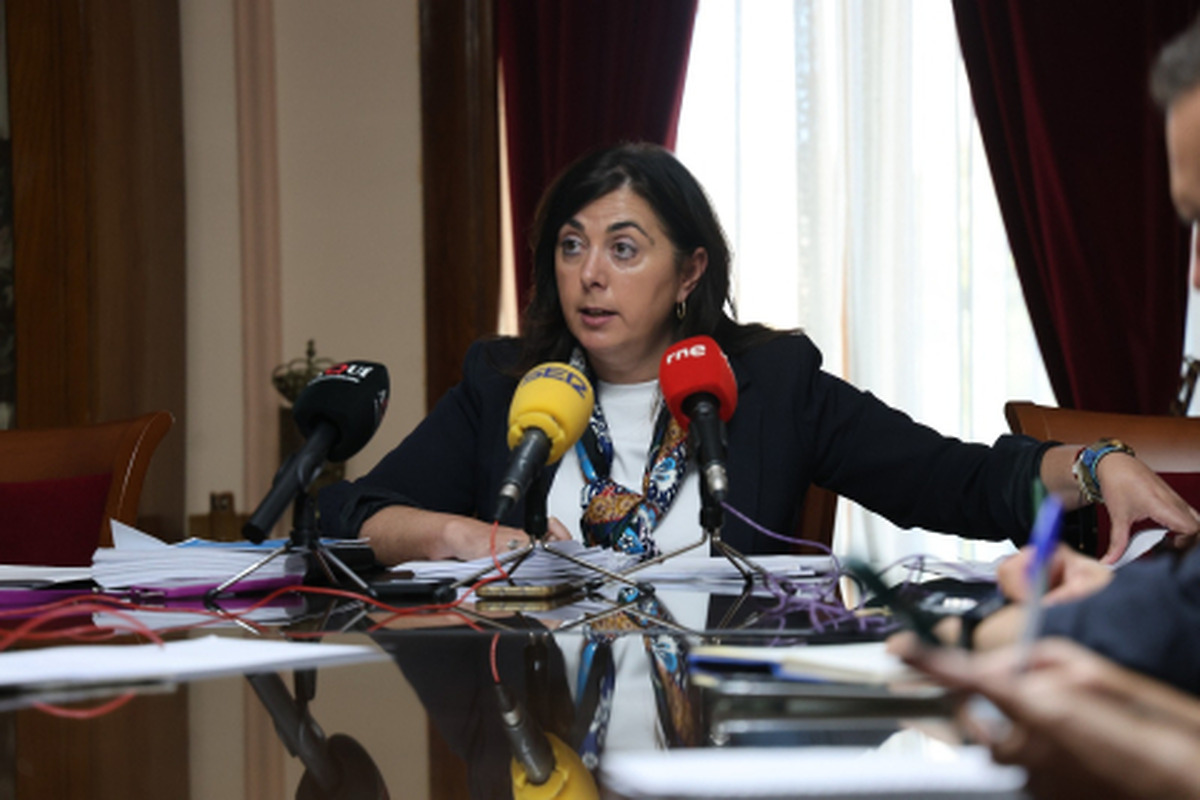
The awards, named after Margarita Salas, a pioneer in biochemistry and molecular biology, were presented by Engracia Hidalgo, the delegate for Economy, Innovation and Finance, alongside Ángel Niño, the councillor for Innovation and Entrepreneurship. The event was attended by Lucía Viñuela Salas, daughter of the scientist and president of the foundation bearing her name, as well as representatives from the academic, scientific, and technological communities.
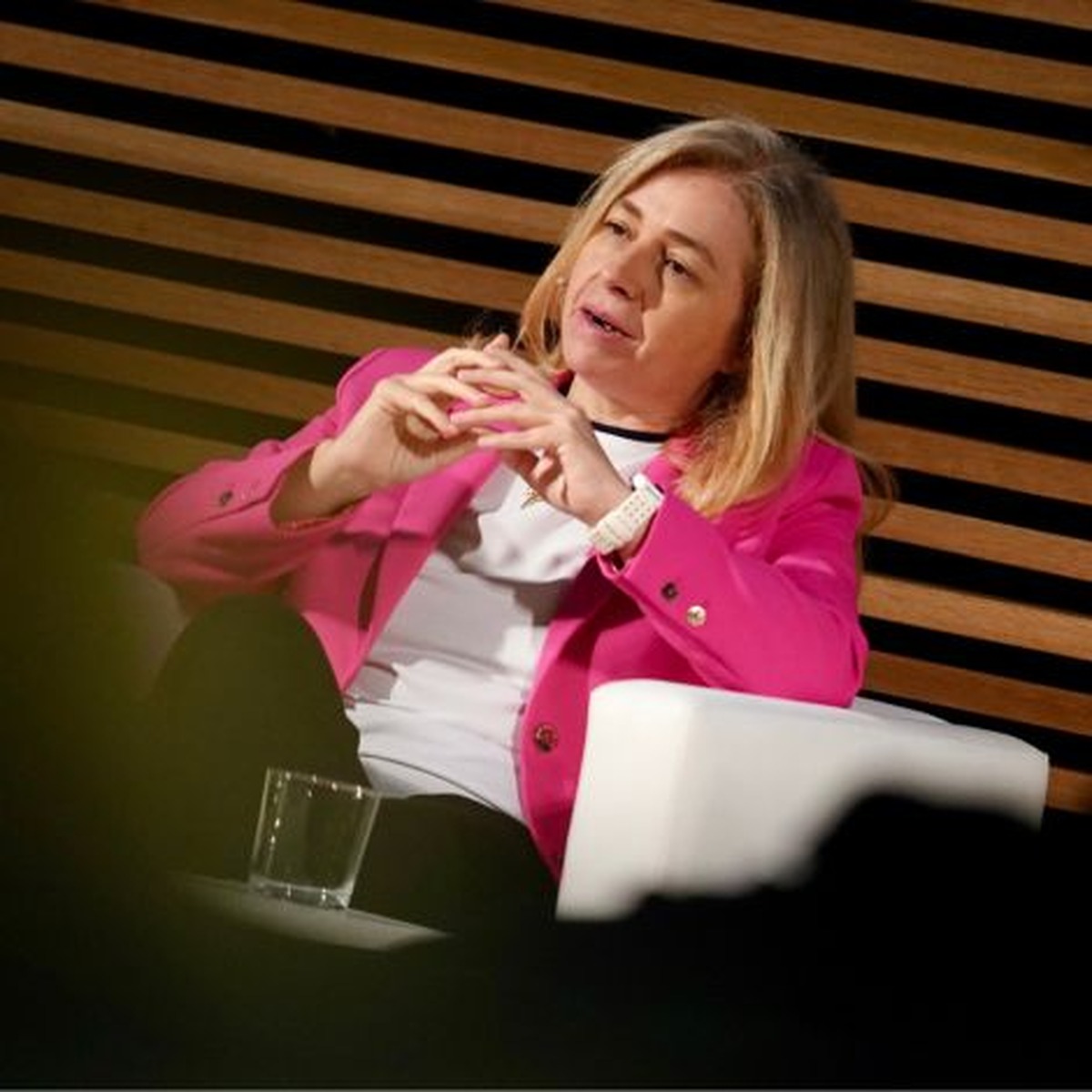
During her speech, Hidalgo emphasised that “scientific talent needs opportunities, resources, and good teams; but also time and freedom to explore paths whose outcomes we cannot always anticipate.” She noted that not all research yields immediate applications and that many advancements we now consider essential originated from inquiries that did not seek specific utility. “Supporting science means trusting in knowledge, respecting its timelines, and accepting that research involves uncertainty,” she added.
This year’s Margarita Salas Prizes distributed €129,000 among thirteen researchers based on excellence and scientific impact. Each of the three categories—Life Sciences, Basic Sciences, and Applied Technology—awarded four prizes of €16,000, €11,000, €7,000, and €4,000, respectively. Additionally, a new Special Prize for Biomedical Research in Pancreatic Cancer, worth €15,000, was introduced this year.
The awards received a total of 526 applications, marking a record participation level, with over 2,700 theses submitted since the awards' inception in 2021. The six editions and €630,000 in prizes underscore Madrid's commitment to knowledge transfer.
Notable awardees
In the Life Sciences category, the first prize was awarded to Ana Simón Chica from Carlos III University of Madrid for her thesis on the role of non-muscle cells in the heart during atrial fibrillation, the most common arrhythmia. In Basic Sciences, Jorge Labella Santodomingo from the Autonomous University of Madrid (UAM) received the top prize for his work on new materials derived from porphyrins, which have applications in solar energy and spintronics. The Special Prize for Biomedical Research in Pancreatic Cancer was awarded to Juan Carlos López Gil from UAM for his thesis validating the protein PGLYRP1 as a shield that helps tumour stem cells evade the immune system, paving the way for diagnostics and new therapies for one of the deadliest cancers. Abolfazl Simorgh from Carlos III University won in the Applied Technology category for developing tools to plan flights that avoid the most sensitive atmospheric zones, thereby reducing the climate impact of aviation.
Bridging research and society
Niño highlighted that “supporting research has a real impact on the health, economy, and well-being of citizens,” noting that many of the awarded theses have already transitioned beyond the university setting. For instance, a project on graphene biosensors for diagnosing respiratory viruses was developed as an industrial doctorate with a company and is now leading to a spin-off from Complutense University. The first viable mouse model for factor V deficiency, which received a fourth prize in Life Sciences, is already protected by an active patent. Furthermore, the microwave filters developed by another awardee are being transferred to industry through contracts with various companies.