The Lleida Tourism Board, part of the Diputación de Lleida, has announced a new training plan for 2026-2027 in partnership with the technology centre Eurecat. This initiative is designed for professionals, businesses, and organisations within the tourism sector.
The training programme includes a total of 30 courses, with 25 available online and 5 as self-study options. These courses are organised into five educational pathways: tourism creation and promotion, artificial intelligence and digitalisation, tourism management and governance, innovation in products and experiences, and sustainability and accessibility. Currently, the first ten courses have been published.
Juli Alegre, the director of the Tourism Board, stated that “the training plan is a result of the agreement signed with Eurecat,” aimed at enhancing knowledge and technological development within the tourism sector in the Lleida region. This initiative is expected to strengthen the sector's competitiveness and innovation capacity.
Alegre highlighted that the training sessions are designed to provide practical knowledge, applicable tools, and new perspectives to help professionals and businesses address the emerging challenges in the tourism industry.
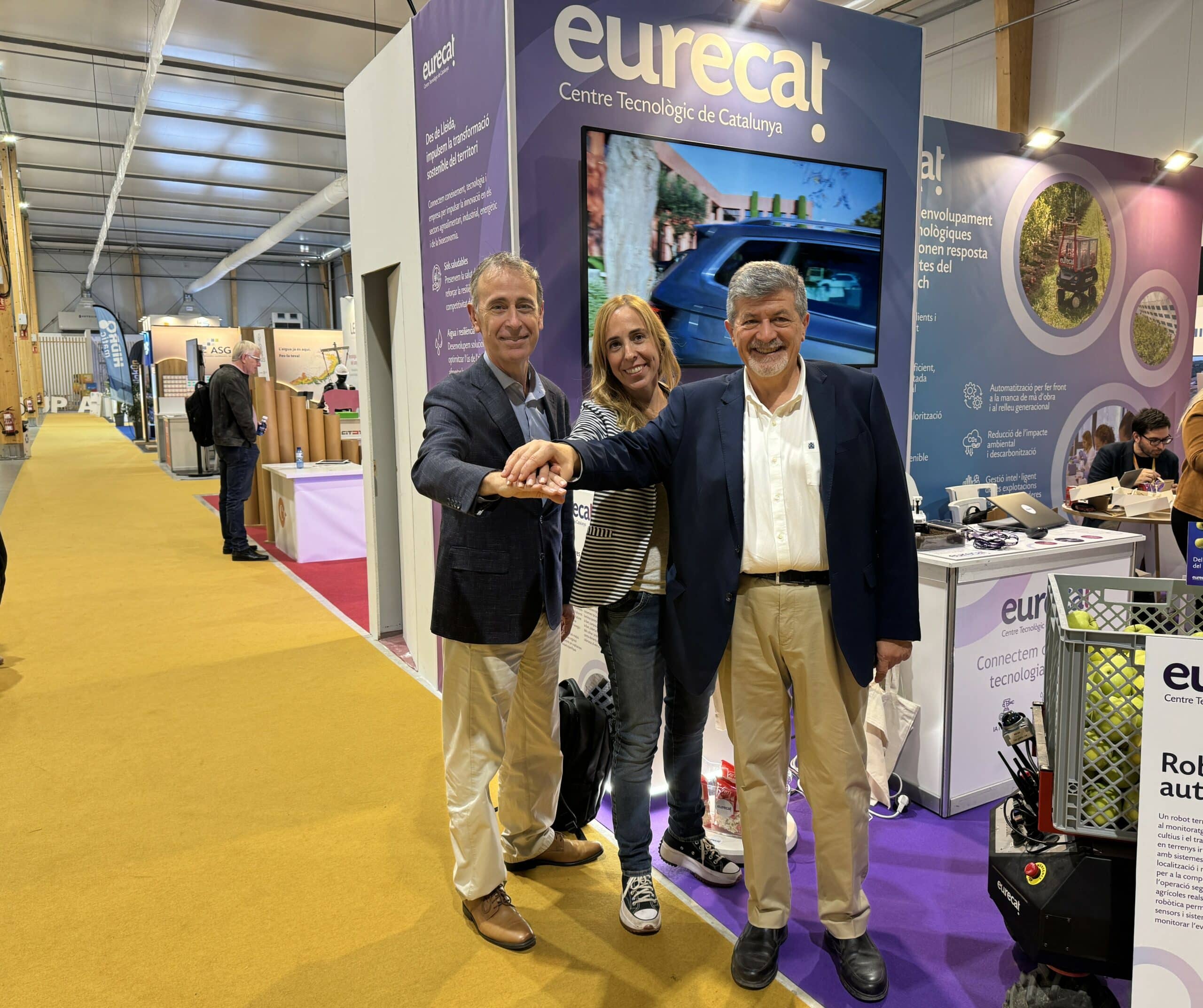
Last week, Alegre met with Gabriel Anzaldi, director of Ecosystems at Eurecat, and Iolanda Simó, head of Territorial Development at Eurecat in Lleida, during the Agrobiotech Innovation Forum held in the capital of Segrià.
Simó remarked that “collaboration with the Tourism Board allows us to connect Eurecat's technological and training capabilities with the challenges faced by the tourism sector in Lleida.” She emphasised that “training is a key element in facilitating the adoption of technologies such as artificial intelligence and fostering new business opportunities that contribute to regional development.”
Simó also pointed out that “this training plan is an opportunity to bring innovation closer to tourism professionals and businesses.” She added, “We want knowledge to translate into concrete improvements in their businesses and experiences that highlight the resources and identity of the region, with a focus on sustainability and accessibility.”
The first training session took place on Monday, focusing on the creation and communication of gastronomic experiences. The full programme is available on the platform.