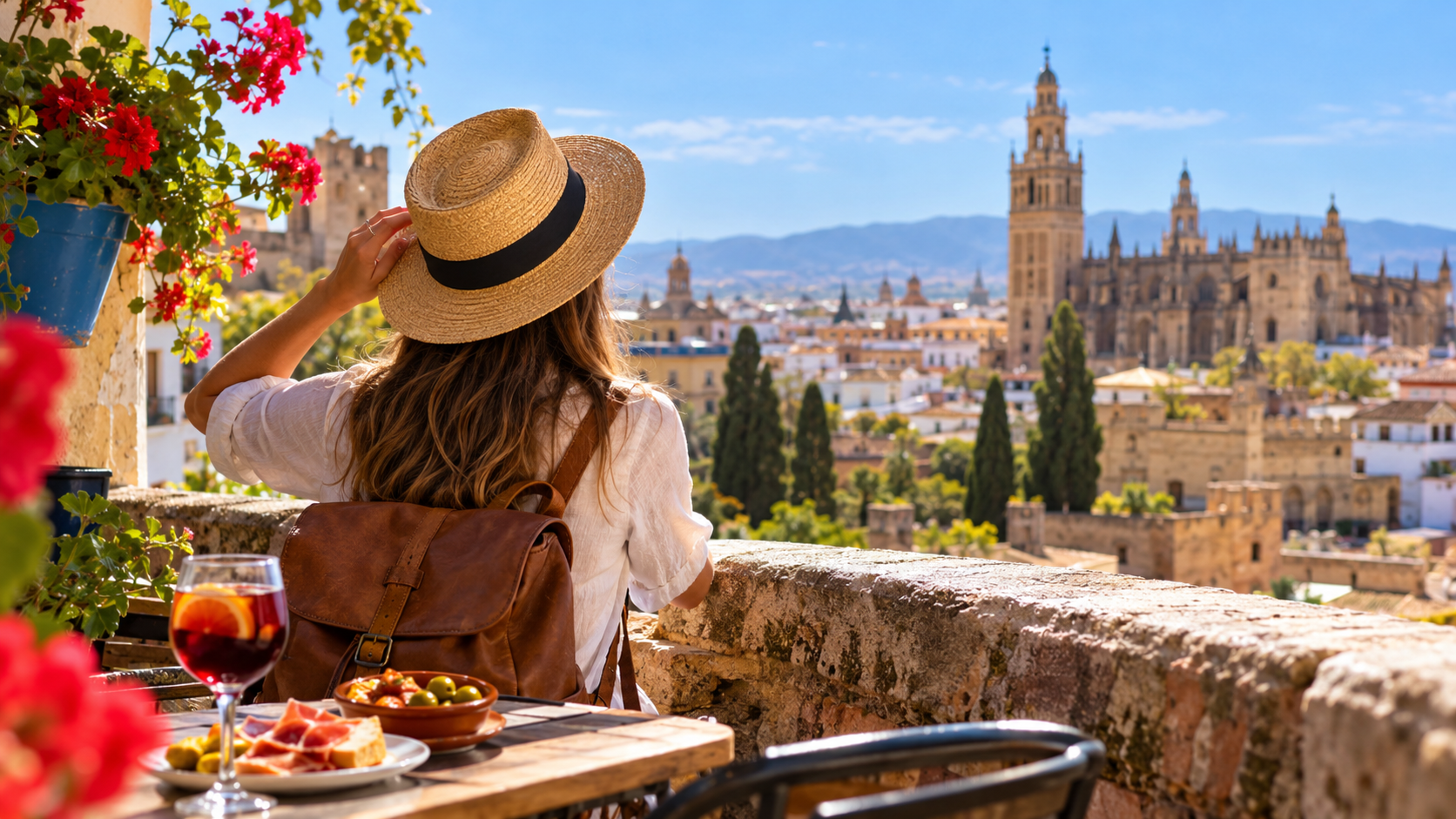
Spain is one of Europe's most popular holiday destinations, attracting visitors with its beaches, historic cities, gastronomy and diverse landscapes. Whether you are planning a weekend in Madrid, a beach holiday on the Mediterranean coast or a trip through northern Spain, understanding a few everyday customs can make your experience much easier.
While travelling around Spain is generally straightforward, some aspects of daily life may be different from what visitors are used to at home. Here are some useful things to know before your first trip.
1. Get used to Spanish meal times
One of the first things tourists notice is that Spaniards tend to eat later than people in many other European countries.
Lunch is usually served between 1.30 pm and 3.30 pm, while dinner often starts around 8.30 pm or 9 pm. In popular tourist destinations, restaurants may offer more flexible hours, but smaller establishments often follow traditional schedules.
If you get hungry between meals, tapas, sandwiches and small snacks are widely available in cafés and bars.
2. Don't expect every shop to open on Sundays
Shopping hours vary depending on the region and the type of business. Large supermarkets and shopping centres generally open throughout the day, but smaller independent shops may close for a few hours in the afternoon.
Many shops also close on Sundays and public holidays, although tourist areas often have exceptions.
Checking opening hours online before visiting a particular shop or attraction is always a good idea.
3. Carry some cash, even if you prefer cards
Credit and debit cards are widely accepted across Spain, including in restaurants, hotels, supermarkets and most shops.
However, carrying a small amount of cash can still be useful for markets, small purchases or businesses in rural areas.
Spain uses the euro, and ATMs are widely available in cities and towns. Be aware that some cash machines may charge withdrawal fees, particularly when using foreign bank cards.
4. Learn a few basic Spanish expressions
You don't need to speak fluent Spanish to enjoy your holiday, particularly in major tourist destinations where English is commonly understood.
Nevertheless, learning a few simple expressions can make everyday interactions easier.
"Hola" means hello, "gracias" means thank you, "por favor" means please, and "la cuenta, por favor" is a useful phrase when asking for the bill in a restaurant.
Spain is also home to several regional languages, including Catalan, Galician and Basque, which visitors may encounter on signs and in public places.
5. Understand how tipping works
Tipping in Spain is generally more relaxed than in countries such as the United States.
Service is normally included in restaurant and bar prices, and leaving a tip is not compulsory.
However, rounding up the bill or leaving a few euros for particularly good service is appreciated.
There is no expectation to leave a fixed percentage, although visitors are free to tip more if they wish.
6. Use public transport to explore
Spain has an extensive transport network connecting major cities and many smaller destinations.
High-speed trains provide convenient connections between cities such as Madrid, Barcelona, Valencia, Seville and Málaga. Regional trains and buses are also useful for exploring different parts of the country.
In larger cities, metro systems and urban buses are often an affordable alternative to taxis.
For rural destinations, remote beaches and mountain areas, renting a car may offer greater flexibility.
Booking long-distance train tickets in advance can help secure better fares, particularly during busy holiday periods.
7. Be prepared for different weather conditions
Spain is famous for its sunshine, but the country's climate varies considerably.
Summers can be extremely hot in inland cities such as Madrid, Córdoba and Seville, while northern regions including Asturias, Cantabria and Galicia generally experience milder temperatures and more frequent rainfall.
Mountain areas can be cold even when coastal destinations are enjoying pleasant weather.
Checking the forecast for your specific destination and packing accordingly will help you avoid surprises.
8. Keep an eye on your belongings
Spain is generally considered a safe destination for tourists, but pickpocketing and petty theft can occur in crowded areas, particularly around major attractions, public transport hubs and busy beaches.
Keep valuable belongings secure, avoid leaving mobile phones unattended on restaurant tables and remain aware of your surroundings.
The emergency telephone number in Spain is 112, which can be used throughout the country.
9. Discover places beyond the most famous destinations
Madrid, Barcelona, Seville and the Mediterranean coast attract millions of visitors, but Spain has much more to offer.
Northern regions are known for their green landscapes, fishing villages and traditional cuisine, while inland areas offer medieval towns, historic monuments and natural parks.
Exploring smaller destinations can provide a different perspective on Spanish culture and everyday life.
Local tourism offices are often a useful source of information about walking routes, museums, festivals and lesser-known attractions.
10. Take time to enjoy the experience
Perhaps the most useful advice for first-time visitors is not to plan every minute of the trip.
Spain offers plenty of opportunities to enjoy simple experiences, from sitting at an outdoor café to exploring a local market or walking through the historic streets of a small town.
Meal times, local festivals and social traditions are all part of the travel experience, and adapting to them can be just as rewarding as visiting famous landmarks.
Whether you are travelling for a few days or several weeks, a little preparation and an open mind will help you make the most of your first visit to Spain.