The Filmoteca de Extremadura will showcase a selection of films from the 29th International LGBTI Film Festival of Extremadura, known as festcinequeer, across its four venues. The festival is set to run from 6 to 15 November and will span 39 municipalities in the region, supported by a €22,000 contribution from the Junta de Extremadura.
This year's festcinequeer promises a diverse lineup of feature films, short films, and cultural activities, reinforcing its commitment to bringing cinema into schools, with outreach to 35 educational centres. The official selection of feature films includes ten titles, comprising seven fiction films and three documentaries, many of which have local ties to Extremadura, exploring themes of identity, desire, memory, and diversity from various perspectives.
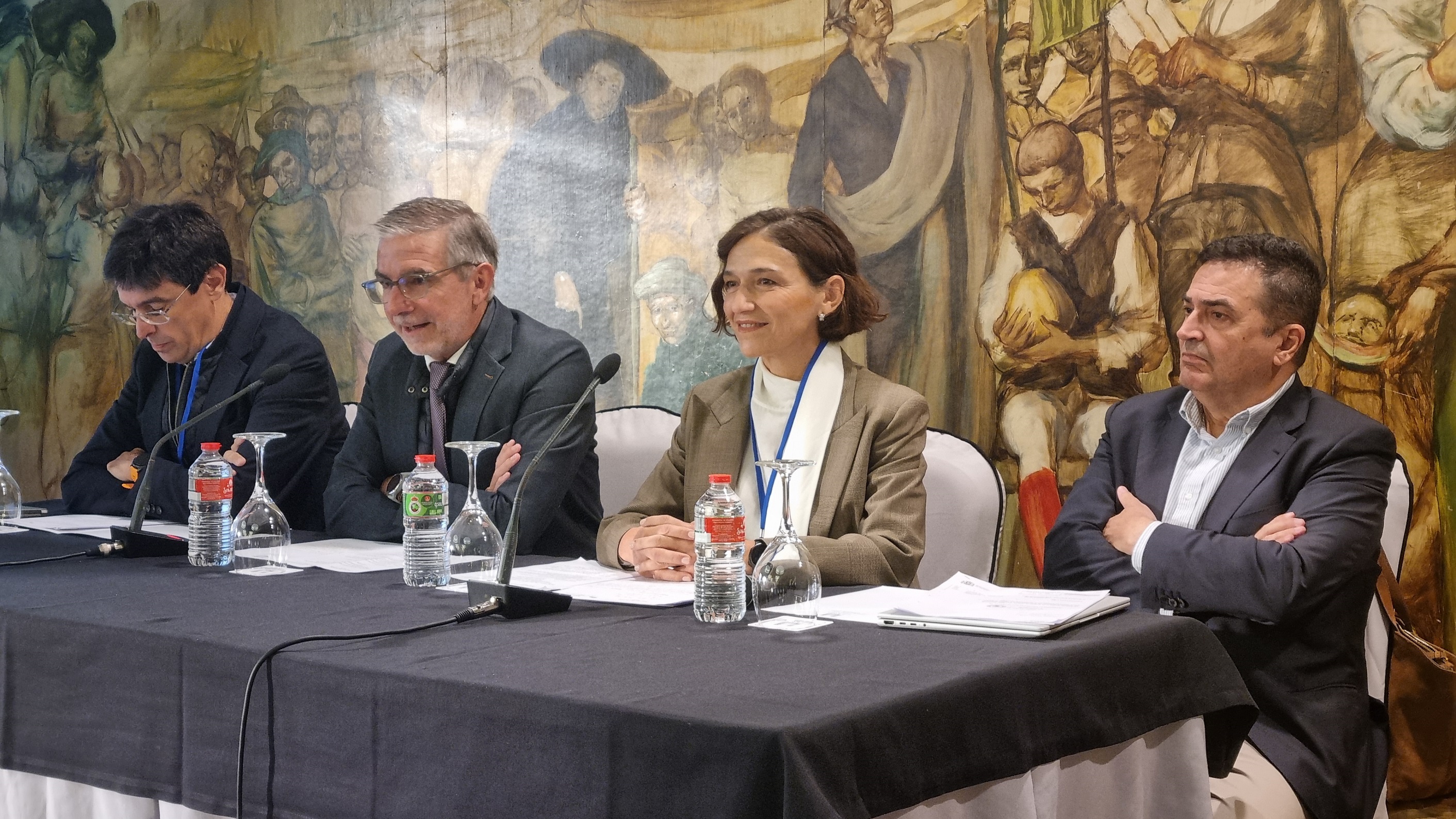
Antonio Gil Aparicio, director of the Filmoteca de Extremadura, highlighted that the festival has rebranded from FanCineQueer to festcinequeer, marking an evolution in its identity and aiming to enhance its international profile. This new name seeks to establish a clearer and more contemporary brand while preserving the essence of a project that has been part of Extremadura's cultural landscape for nearly three decades.
Festcinequeer continues to centre cinema and issues of affective, sexual, and gender diversity within its cultural offerings, combining film screenings, educational activities, and initiatives aimed at young audiences. This edition features award-winning titles from prestigious festivals such as Cannes, Berlin, and San Sebastián, with none of the films having previously premiered in Extremadura, providing an opportunity to discover some of the most significant contemporary queer cinema.
Notable films include 'Cobarde' by Belgian director Lukas Dhont and 'Tangles', which received accolades at San Sebastián. Other highlighted titles are 'Narciso' by Marcelo Martinessi and 'Jim Queen', among others. In terms of local productions, two of the three selected documentaries address LGBTIQ+ identity and memory. 'Este cuerpo mío', co-directed by Badajoz actress Carolina Yuste, follows the gender transition journey of Afioco Gnecco, while 'Lo que hacíamos en las sombras', directed by Emerita Sara Moralo, recovers the history of LGBTIQ+ individuals persecuted during Franco's regime.
The short film competition, a key component of the festival, received 151 submissions from 17 countries, with 21 selected for the official competition. These films are divided into four sections: Sala Deseo, Sala Disidencia, Sala Destino, and Ciclo Documental, addressing themes such as first loves, gender identity, and resistance.
Festcinequeer also enhances its educational outreach with a specific programme for young audiences, including cycles on LGBTI realities and human rights, reaching over 2,000 students across the region. The festival's parallel activities connect audiovisual art with performing arts and fashion, featuring workshops and discussions.
The opening gala will take place on 6 November in Cáceres, while the closing ceremony is scheduled for 14 November in Badajoz, where the official awards for this edition will be announced.