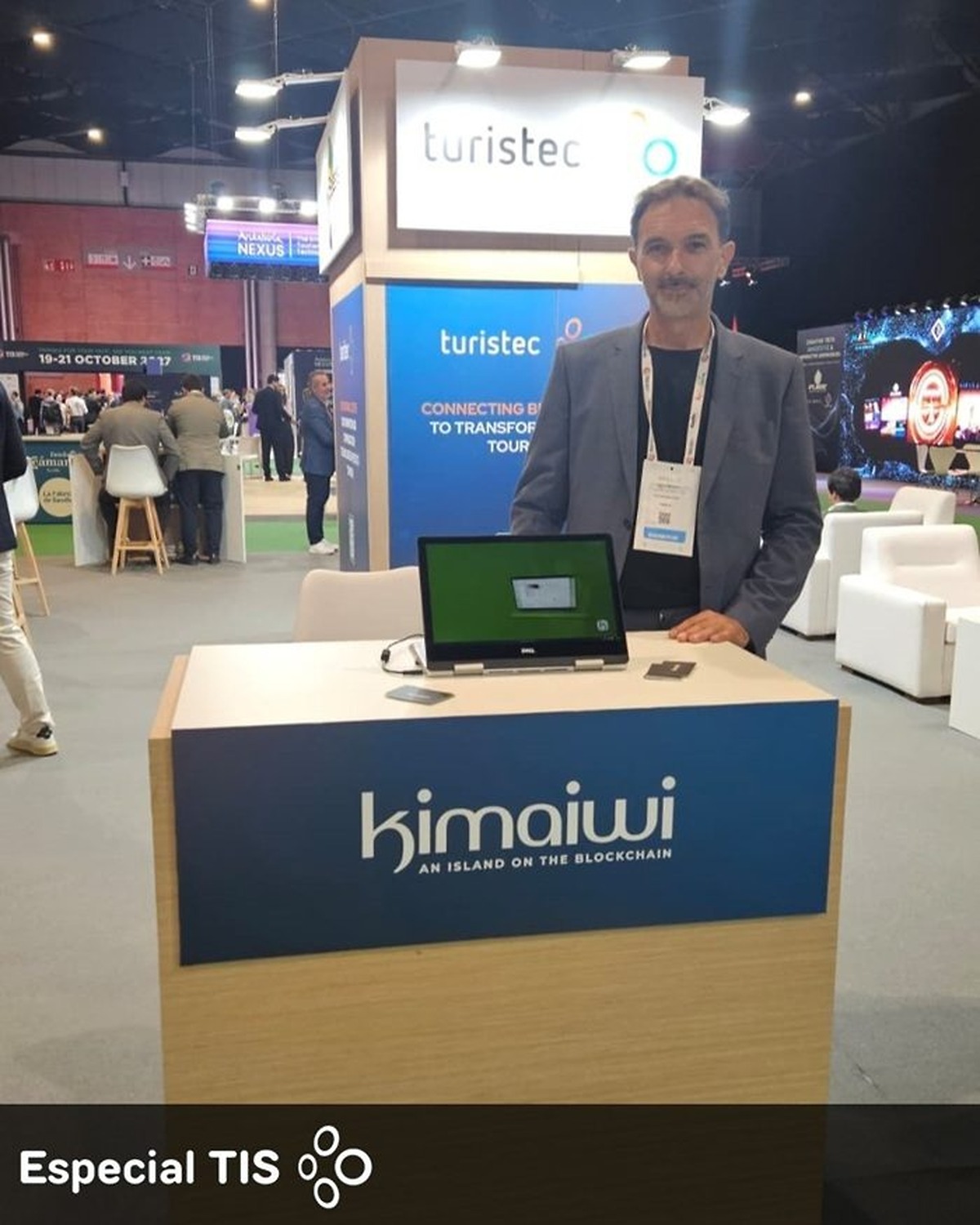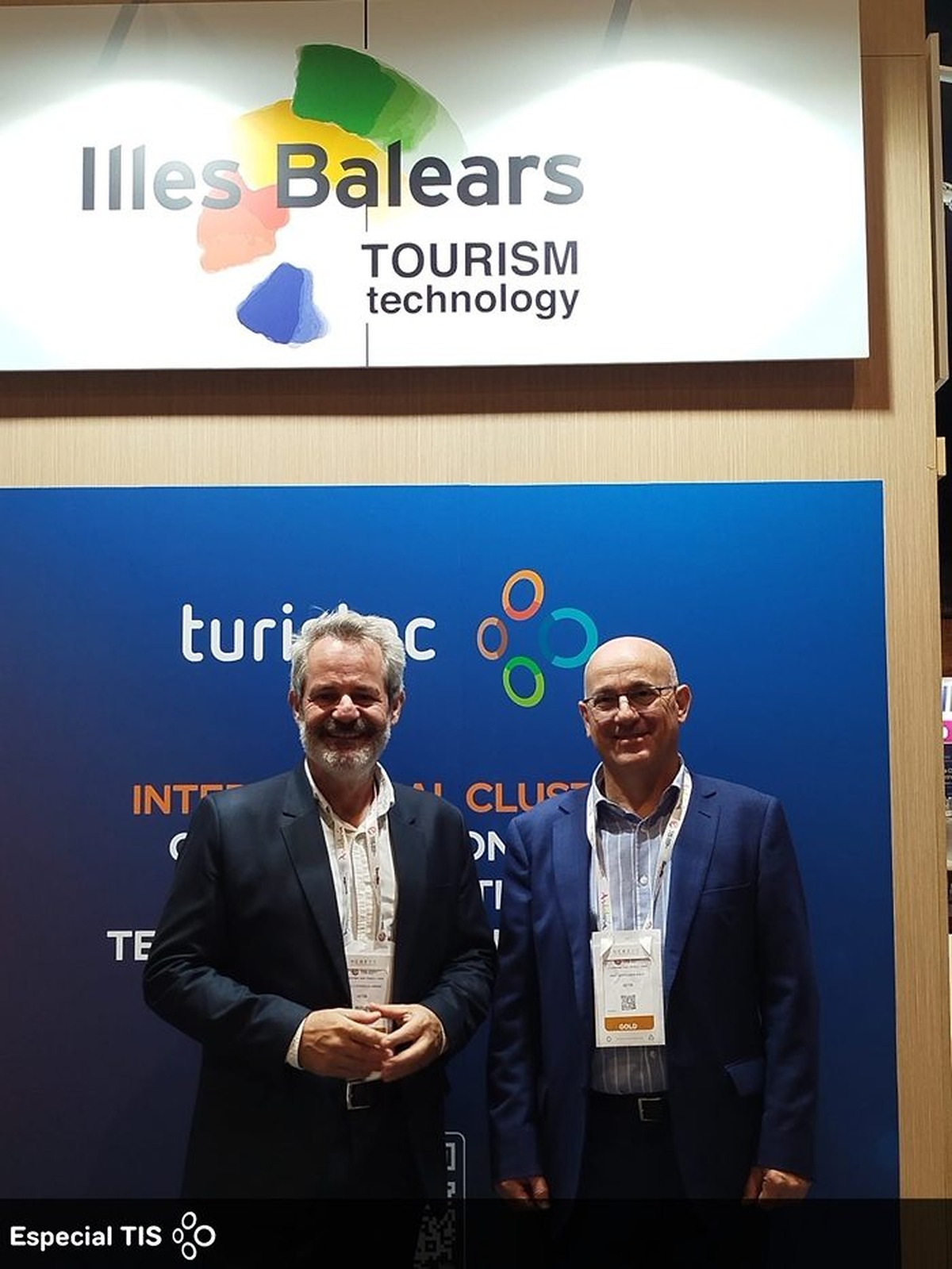
Pere Joan Planas, director of the Balearic Tourism Strategy Agency (AETIB), has highlighted the role of collaboration in enhancing technology within the tourism sector. Speaking at the TIS 2026 event, he noted that technology has become integral to the entire tourism value chain and requires cooperative frameworks that can generate real impact.
The partnership between Turistec, a cluster of technology companies, and AETIB has successfully completed its second consecutive edition at TIS 2026, receiving positive feedback. Planas stated that this initiative underscores the value of cooperation in showcasing the technological capabilities linked to tourism and reinforcing the Balearic Islands' position as a leader in innovation.
While tourism is often associated with visible experiences offered by hotels and restaurants, Planas pointed out that a complex network of technological solutions underpins these activities, which is essential for the sector's competitiveness. This includes management systems, artificial intelligence, customer knowledge tools, training, talent management, and booking platforms, all of which are evolving rapidly.
“It is important for us to give visibility to a cluster like Turistec, which has international reach and is based in the Balearic Islands,” he remarked, noting the increased activity observed at the fair as a confirmation of its potential to generate opportunities.
Beyond strictly tourism technology, Planas emphasised the cross-cutting nature of many companies represented in the cluster. Some focus on training and talent management, while others develop financial, tax, or business organisational solutions, contributing to pressing challenges such as energy efficiency and resource optimisation. He highlighted the innovative tools that monitor water and energy consumption and reduce waste, which simultaneously advance environmental sustainability and improve economic outcomes. “Technology helps optimise resources and improve decision-making,” he summarised.
One of the most intriguing aspects of the event was the geographical diversity of the companies linked to Turistec. Planas sees the presence of an international cluster based in the Balearic Islands as a strength, although he acknowledges the regional government’s desire for greater representation of local businesses. He views it positively that national and international organisations find a reference point in the islands for their activities.
Planas believes this joint experience also represents a different approach to public-private collaboration. Rather than relying solely on financial aid, he advocates for cooperation built on coordination, support, and the creation of shared spaces: “It can serve as an example of governance and mutual assistance beyond traditional frameworks.”
This perspective is echoed by Miquel Rosselló, head of the Directorate General of Tourism of the Balearic Government, who considers initiatives like the one developed with Turistec to be a model that should extend to other areas, particularly due to its capacity to promote innovative companies and facilitate their entry into new markets.
Historically, the Balearic Islands have built a reputation based on the strength of large tourism groups, but Rosselló noted that a specialised business fabric focused on technology and innovation is also emerging, capable of exporting knowledge and solutions beyond the islands. He advocates for the role of administrations in supporting startups and emerging companies developing innovative proposals for the sector.
Rosselló also emphasised that this collaboration reflects a new understanding of innovation policies based on continuous learning and active listening to the private sector. In a context marked by rapid technological evolution, the expansion of artificial intelligence, and the constant emergence of new business models, he believes administrations must remain open to understanding the real needs of companies and anticipating the challenges that will shape the future of the tourism industry.
He stated, “Technology has become a cross-cutting element for any tourism business, regardless of its size.” From small family-run establishments to large hotel chains, tour operators, and travel agencies, all share the need to adapt to rapidly evolving digital tools and solutions. He asserted, “Technology is the link to the future of any business.”
Among the trends observed during TIS 2026, Rosselló particularly noted the increasing importance of data and solutions aimed at improving its management and utilisation. However, he stressed the significance of young talent driving many of these innovations and the need to continue creating opportunities for new business initiatives to find support and space to develop.
Both Rosselló and Planas expressed satisfaction with the results achieved and acknowledged that the challenge now is to continue listening to the sector to identify new opportunities for collaboration. They mentioned the possibility of maintaining a presence in Seville or exploring other venues, as well as launching similar initiatives in the Balearic Islands, stating, “We are open to cooperation and listening to proposals. The important thing is to continue generating spaces that help the sector grow, innovate, and collaborate.”