The Government of Castilla-La Mancha has revealed the individuals, organisations, and projects that will receive the region's Cultural Merit Medals. These awards honour significant achievements in various fields, including music, literature, film, performing arts, heritage conservation, research, and cultural inclusion.
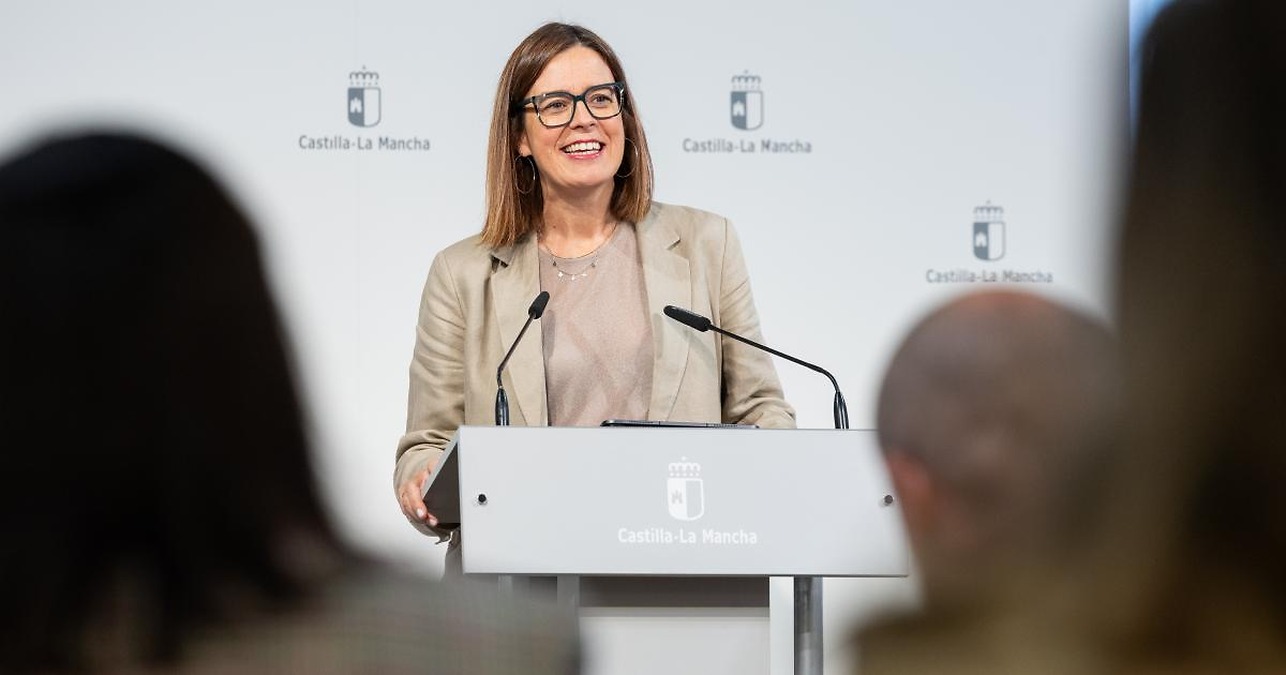
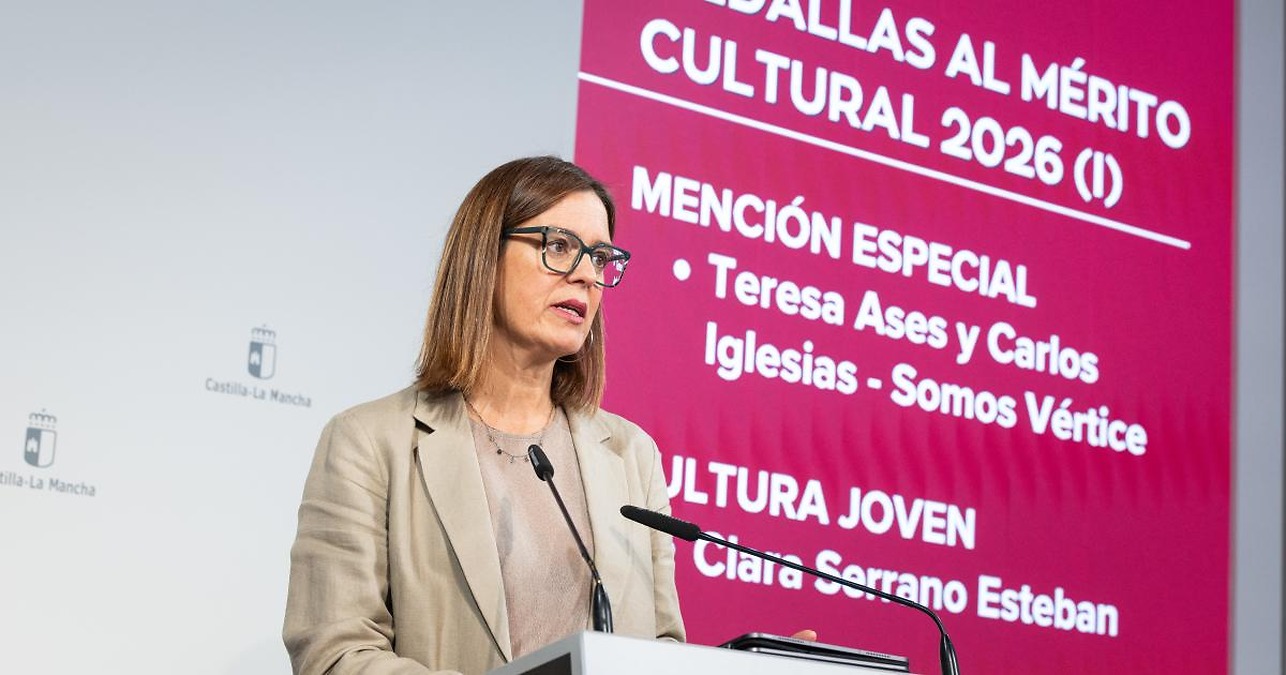
Esther Padilla, the regional government spokesperson, announced that the ceremony will take place on Tuesday, 27 October, at 18:00 in the Teatro Palenque in Talavera de la Reina, a city in Toledo province.
Padilla highlighted the diversity of the honourees this year, which includes emerging young artists as well as seasoned professionals and groups dedicated to preserving collective memory and fostering cultural vocations.
Contemporary creation and young talent
This year's Special Mention goes to Teresa Ases and Carlos Iglesias from ‘Somos Vértice’ in Albacete for their efforts to bring contemporary creation to municipalities and create spaces for young talent. Their initiative ‘Alumbra’ combines art, education, and community engagement, particularly in rural areas.
The Young Culture Medal recognises Clara Serrano Esteban, a 26-year-old artist from Cuenca, who is making her mark in acting, piano, composition, and singing. Her involvement in productions such as 'Constelaciones', directed by Sergio Peris-Mencheta, positions her among the promising talents in the performing arts.
Honouring heritage conservation and traditions
In the category of Rehabilitation and Dissemination of Material Heritage, the government has awarded the murals of the Church of Nuestra Señora de la Asunción in Cardenete (Cuenca), an artistic ensemble integral to the municipality's identity and history. Padilla noted that the celebration of the church's 250th anniversary has brought the community together through various cultural activities, particularly related to music and history, highlighting the connection between heritage and community life.
The Medal for Cultural Merit in the Conservation and Dissemination of Intangible Heritage has been awarded to the Folklore Group La Abuela Santa Ana from Albacete, which has been dedicated to the recovery and transmission of traditional dances, songs, and costumes since 1987. Padilla emphasised the importance of this work in ensuring that cultural expressions passed down through generations continue to find new learners and advocates.
The Cultural Heritage Research Medal recognises the Instituto de Estudios Albacetenses ‘Don Juan Manuel’ for nearly fifty years of dedication to studying and promoting the province's heritage. The spokesperson underscored the significance of this research in enhancing knowledge about history and preserving the memory of past generations.
From urban art to digital creation
The Cultural Merit Medal in Plastic Arts has been awarded to Daniel Ferrer and Beatriz Clemente, founders of ‘Take Art Way’ and ‘Torrijos Más Allá de la Pared’ in Torrijos (Toledo). Through these projects, they have transformed public spaces into open-air galleries, bringing art closer to the daily lives of residents.
In the Digital Art category, the award goes to Kike Aspano from Toledo, whose artistic journey began in his father's photography lab. His background in Architecture and Urbanism has led to a body of work that combines precise forms with a sensitive perspective on the people and spaces he inhabits.
Theatre, dance, and film
In the Performing Arts, the regional government has recognised two initiatives that promote theatre and artistic training. The first is the National Theatre Showcase Espiga de Oro in Azuqueca de Henares (Guadalajara), which has brought theatrical productions from across Spain to audiences for over four decades. The showcase has become a cultural staple for multiple generations and has encouraged new artistic vocations.
The second recognition goes to the Adae Alma Dance School in Talavera de la Reina (Toledo), founded by Lucía Quintas in 2014. The school combines dance training with the production of musicals and original performances, providing students with a space to develop their artistic abilities and gain confidence on stage.
The Cultural Merit Medal in Film is awarded to Hugo de la Riva from Alcázar de San Juan (Ciudad Real), a director, screenwriter, and producer who discovered his passion for storytelling through images at a young age. His professional career spans both cinema and advertising, exploring various narrative possibilities within audiovisual language.
Music, literature, and promoting reading
The Cultural Merit Medal in Music recognises the Joven Orquesta de Cuenca, formed in 1991, which has nurtured generations of musicians. In addition to its educational role, the orchestra has performed across Spain and Europe and participated in unique initiatives, such as a collaboration with Alejandro Sanz during the pandemic.
In the category of Literary Creation and Publishing, the award goes to Antonio Rubio from El Puente del Arzobispo (Toledo), a teacher and poet who has dedicated four decades to introducing literature to children. Padilla noted that Rubio has received the National Prize for Children’s and Young Adult Literature 2026.
The Medal for Cultural Merit in Promoting Reading is awarded to the reading clubs at the Public Library of Guadalajara, pioneers in fostering reading as a shared experience. With over 30 years of activity and as organisers of the first National Meeting of Reading Clubs, they have contributed to building a community of readers around books and the exchange of ideas and experiences.
In the Comic and Graphic Arts category, the medal goes to Irene Márquez from Valdepeñas (Ciudad Real), a creator known for her dark humour, irreverence, and critical perspective on reality. A contributor to the magazine El Jueves, she was honoured with the El Ojo Crítico Award in 2025 and the National Comic Award in 2026.
Patronage and culture as a space for inclusion
The Medal for Cultural Merit in Patronage and Cultural Promotion recognises Chemo Liconsa, a pharmaceutical laboratory in Guadalajara belonging to the Insud Pharma group, for its support of cultural initiatives in the province. This backing enables theatrical performances, concerts, literary gatherings, and outreach activities, some of which take place in rural municipalities.
Additionally, the Medal for Cultural Merit in Inclusive Cultural Projects (Cultural Rights) is awarded to the School of Hospital and Home Educational Attention in Guadalajara and its digital magazine La Pecera. This project allows hospitalised or convalescing students to continue creating, expressing themselves, and sharing experiences during their recovery.
Cultural legacy: the memory of josé garcía ortega
Finally, the Medal for Cultural Merit in Culture and Memory is awarded posthumously to painter and engraver José García Ortega from Arroba de los Montes (Ciudad Real). His artistic career was shaped by his experiences in prison and exile. A proponent of Estampa Popular, he created work committed to freedom and social justice, serving as an artistic testament to the conflicts and struggles of his time.
The public responsibility of culture
In conclusion, Esther Padilla expressed the government’s gratitude to all the individuals and entities recognised for their ability to inspire, provoke thought, and encourage a new perspective on the world. She emphasised that their contributions demonstrate how culture enriches the lives of citizens by preserving a community's memory, igniting a vocation, or supporting a child during illness. She asserted that supporting creators, caring for heritage, and ensuring everyone can participate in culture is a public responsibility that the government is committed to upholding.