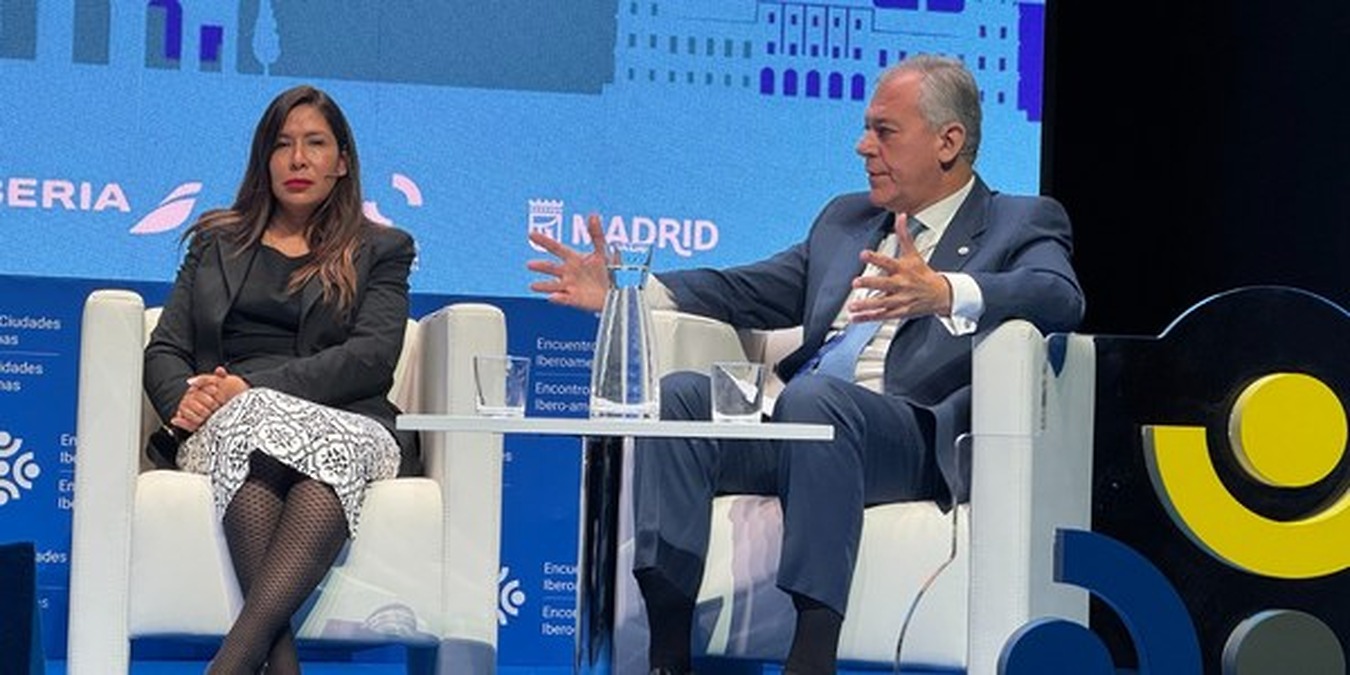
During the event, strategic issues concerning the present and future of cities were discussed, including urban governance, municipal management innovation, local economic development, culture, security, and social cohesion. This forum, organised by the Union of Ibero-American Capital Cities (UCCI) and the Ibero-American General Secretariat (SEGIB), is supported by the Madrid City Council.
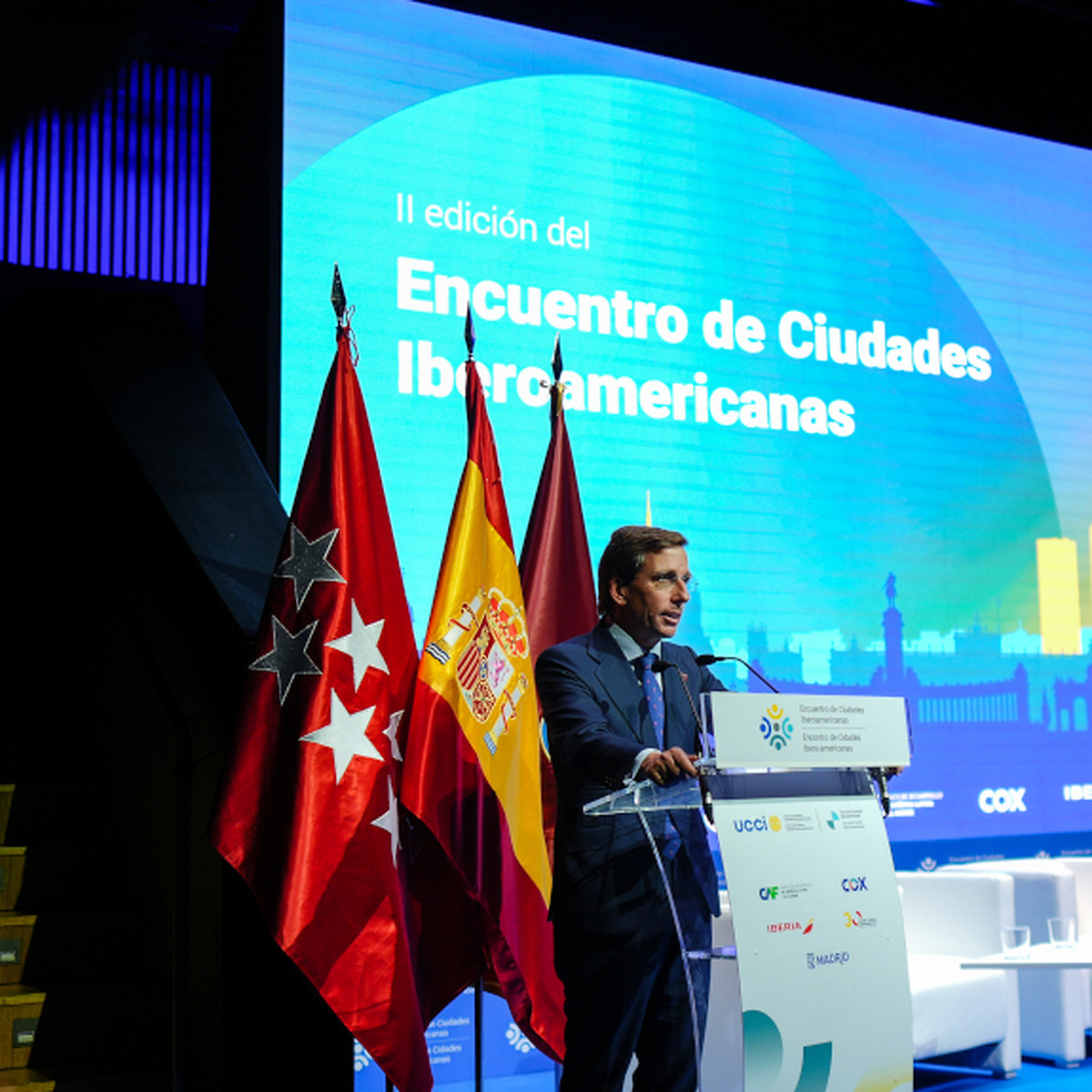
José Luis Martínez-Almeida, the mayor of Madrid and co-president of the UCCI, participated in the opening of the second ibero-american cities meeting, held at the Conde Duque Cultural Centre. The event brought together authorities and representatives from around thirty cities, international organisations, diplomatic delegations, the business sector, and civil society.
In his welcome address, Almeida highlighted the crucial role cities must play in global governance and stressed the need for ibero-american municipalities to tackle shared challenges together. He stated, “The major debates that will shape the future of societies must start from the cities.”
The mayor also emphasised the proximity of local governments to their communities, asserting that local administrations are “always on the ground” and are capable of addressing citizens' needs in areas such as public space, housing, infrastructure, culture, and opportunity generation. He remarked that these efforts are essential for ensuring that people can live in conditions of peace and security.
Almeida praised the ibero-american cities meeting as a platform for dialogue and cooperation, describing it as “the best reflection that we can continue to advance together despite our differences.” He reiterated the challenge of providing answers to global questions that offer solutions to citizens, aiming to build “fairer, more stable, more inclusive” societies better prepared for the future.
During the meeting, the signing of the 'Ibero-American Declaration of Mayors' is planned, aimed at strengthening cooperation among ibero-american cities and articulating a common position to enhance their voice on the international agenda.
Five key areas of discussion are being addressed throughout the day: urban governance and strategic planning; innovation, data, and artificial intelligence in municipal management; local economic development, employment, and partnerships; culture, heritage, and creative industries; and security and social cohesion. Representatives from cities such as Bogotá, Lisbon, Sucre, Andorra la Vella, Asunción, Montevideo, Quito, San Juan, Barcelona, Cádiz, Tegucigalpa, San Salvador, Lima, and Seville, as well as experts and officials from international organisations like UN-Habitat, CAF, the Inter-American Development Bank, UNESCO, and the OECD, are participating in various sessions.