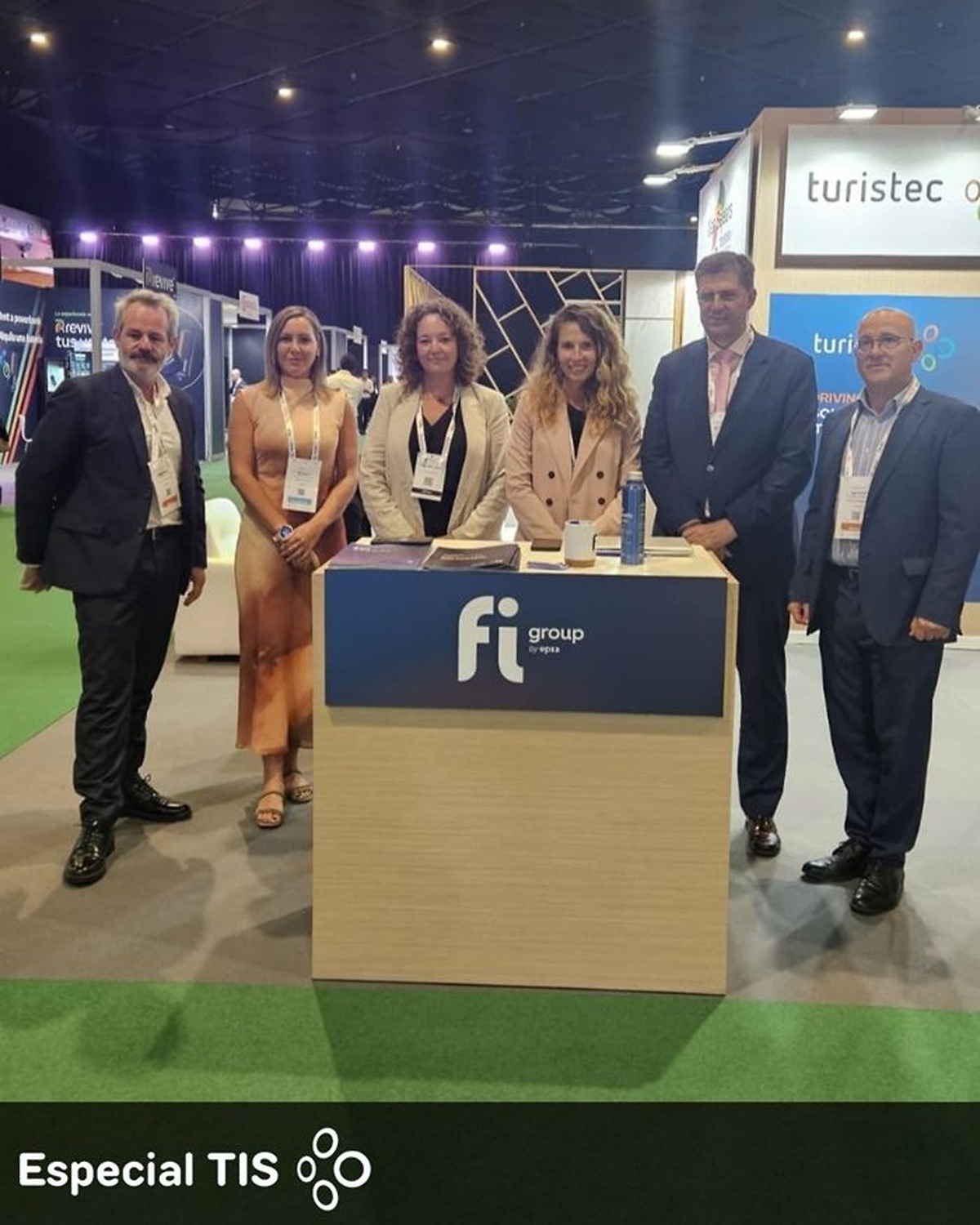
Raquel Marco, Office & Client Development Advisor at FI Group by epsa, spoke at TIS 2026 about key strategies for maximising funding opportunities and enhancing the profitability of tourism projects. She highlighted that the transformation of the tourism sector increasingly requires significant investments in technology, sustainability, and the modernisation of assets.
However, many companies do not fully utilise the tools at their disposal to optimise their investment efforts. Currently, three major areas of investment have been identified: digitalisation and technological advancement, energy efficiency, and the modernisation or expansion of tourism facilities.
The sector is making considerable efforts to improve its competitiveness, streamline processes, reduce operational costs, and offer higher value-added services. Many of these investments can access various funding instruments and incentives that help mitigate the financial burden and enhance profitability.
Marco pointed out that a common mistake made by tourism companies is to evaluate funding opportunities only after an investment has been decided or even executed. Many funding instruments require action before the project begins, making planning essential.
It is also common for companies to focus solely on grants, overlooking other avenues that can yield significant returns, such as tax deductions for R&D, regional incentives, and Energy Savings Certificates (CAEs). Projects related to technological innovation, digitalisation, and process automation, as well as investments aimed at improving energy efficiency, tend to receive the most favourable responses from funding and incentive programmes.
Additionally, mechanisms like Energy Savings Certificates allow for economic returns associated with specific energy efficiency measures, even after the investment has been made. FI Group collaborates with public aid, R&D tax deductions, and European funds, among other instruments.
To identify the most suitable combination for each project, it is crucial to start with a comprehensive view of the project and the planned investments, analysing their nature, timeline, objectives, and potential returns.
During her participation at TIS, Marco stressed the importance of anticipating, planning investments, and examining all available funding and incentive alternatives before making decisions. The goal is for companies to incorporate these instruments into their investment strategies and understand that they can play a significant role in enhancing the economic viability and profitability of their initiatives.
Marco concluded that innovating and modernising does not have to mean shouldering the entire investment burden alone, as numerous support instruments can contribute to making projects more viable and profitable.