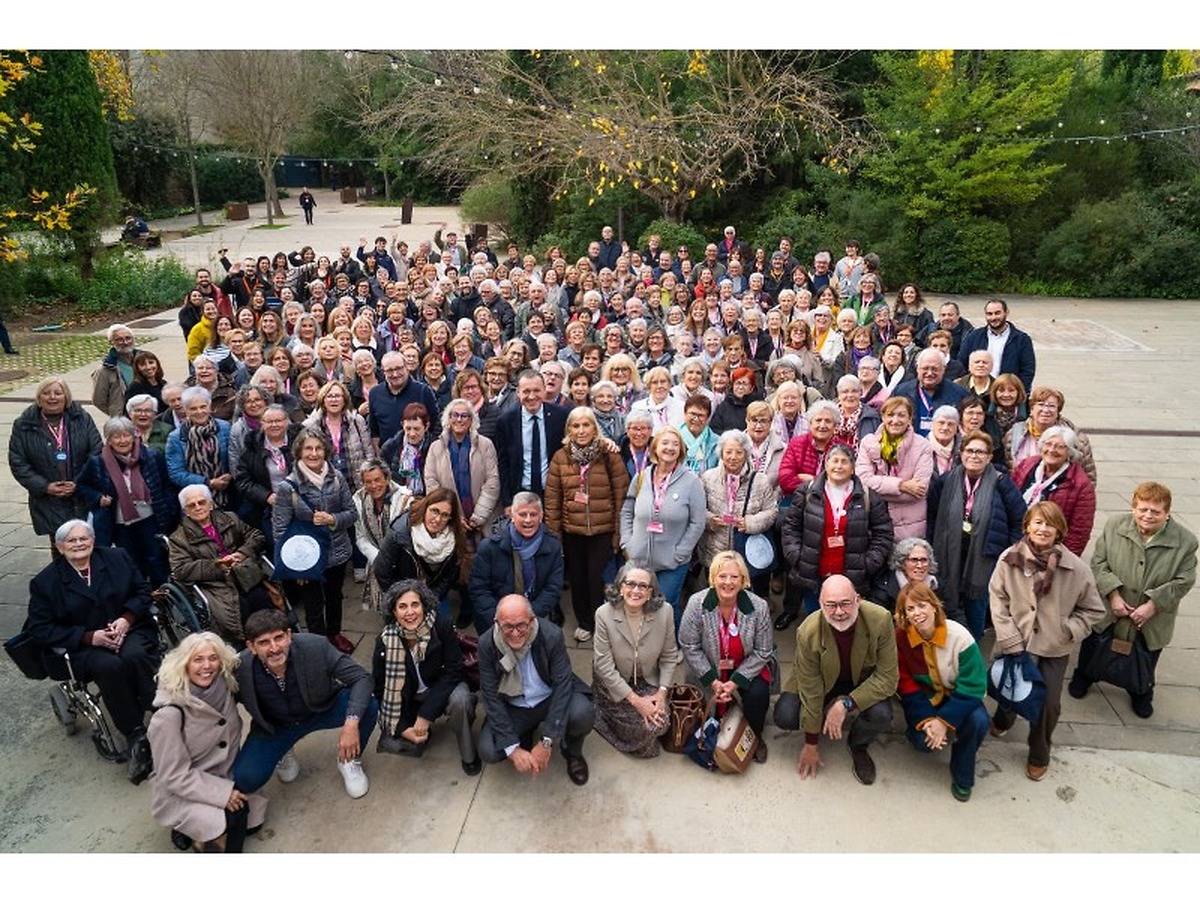
More than 160 grandmothers from across Catalonia participated in the second Great Meeting of Gastrosabias at Món Sant Benet, located in Sant Fruitós de Bages. This event, organised by the Department of Agriculture, Livestock, Fisheries and Food, aimed to preserve, recognise, and transmit the traditional culinary legacy of Catalonia.
The gathering highlighted the knowledge of the gastrosabias, or culinary grandmothers, through a day filled with activities, conversations, cooking, and intergenerational exchange, with a focus on local products and their producers. Upon arrival, participants received a certificate as Guardians of Catalan Culinary Memory, symbolising their vital role in preserving and passing on the country’s gastronomic heritage.
The day featured practical activities, opportunities to share recipes and experiences among the gastrosabias, and discussions centred around local products, supported by teams from the Alícia Foundation. A key theme of the meeting was the connection between the gastrosabias and local producers, emphasising that traditional cooking begins with the product, its origins, seasonality, and the knowledge of those who cultivate or produce it.
The councillor, Ordeig, underscored the importance of the gastrosabias as transmitters of a heritage that forms part of the country's identity. “Traditional cooking is much more than a collection of recipes: it is culture, territory, product knowledge, and a way of understanding food that we must preserve. The gastrosabias are the guardians of this legacy, and with projects like this, we aim to recognise them, gather this knowledge, and ensure it continues to be passed on to new generations,” he stated.
The meeting also included a plenary session dedicated to the cooking of the gastrosabias, a roundtable discussion on how to transmit and preserve gastronomic heritage, and the presentation of results from work conducted during 2025 and 2026. The gastrosabias and producers shared the value of local products and traditional cooking. Throughout the day, participants exchanged cooking methods, advice, techniques, recipes, and experiences related to food, highlighting the relationship between popular culinary knowledge and local agri-food production.
Notable contributors included Cristina Caparrós from Capamar, Gerard Font from EcoPallareta, Albert Puig from 100% Conill, and others from various local enterprises. The day also featured a roundtable on the transmission and preservation of the gastrosabias' gastronomic legacy, with participants such as Elisa Ferrer, a gastrosabia and promoter of the Gastrosabias Kitchens in Palamós; Aleix Tomàs, a chef and culinary communicator; and Toni Massanés, director of the Alícia Foundation.
This gathering served as a platform to highlight the role of older women as transmitters of food culture and to discuss how this knowledge can continue to be shared, adapted, and passed on to future generations.
Over the past two years, the Gastrosabias project has seen participation from more than 160 women, with over 35 working sessions held across 28 regions, resulting in the recovery of more than 600 traditional recipes, of which 371 have been published. The latest collection, through more than 17 discussion groups, has included recipes and knowledge from regions not previously visited, broadening the project’s territorial representation.
The compilation reflects the diversity and richness of traditional Catalan cuisine, featuring everything from lesser-known fish stews and rice dishes to vegetable-based meals and recipes utilising emblematic products like blue-legged chicken. The project also focuses on analysing and systematising this knowledge to identify culinary practices, recover at-risk skills, and deepen the relationship between gastronomy, product, and territory.
The Alícia Foundation collaborates in transcribing, interpreting, adapting, and contextualising the recipes to facilitate their documentation and transfer. The collected recipes are accessible on La Gastroteca, a portal for Catalan agri-food products, ensuring this legacy remains alive.