The Aula de Cine at the Huesca campus is hosting a film series dedicated to the renowned screenwriter rafael azcona (1926-2008) to commemorate the centenary of his birth. Azcona was a pivotal figure in Spanish cinema, winning six Goya Awards for his screenwriting and receiving an honorary award for his lifetime achievements.
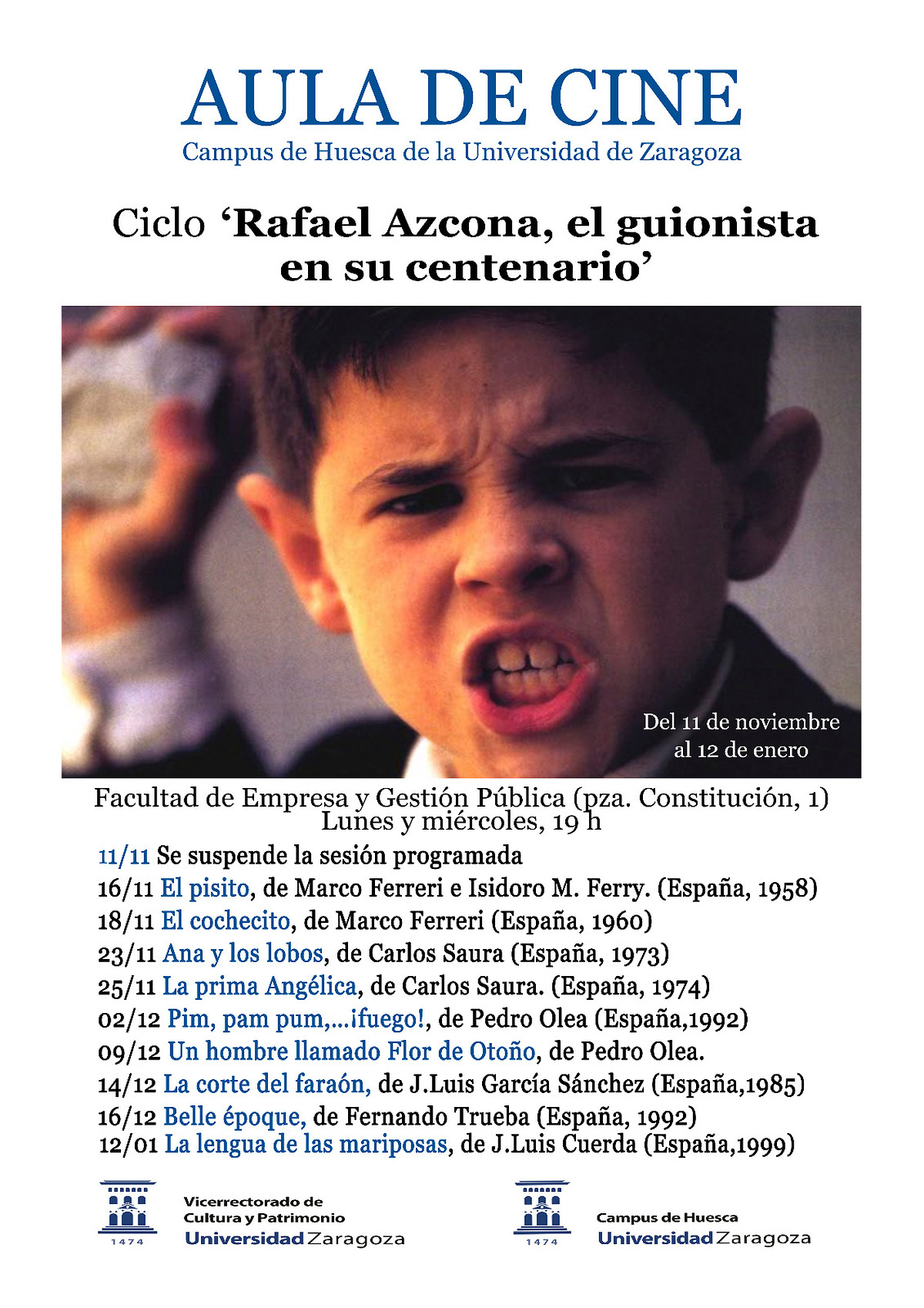
The screenings will be held at the Faculty of Business and Public Management (plaza de la Constitución 1) every Monday and Wednesday at 7 PM, continuing until 12 January. The programme includes nine feature films that showcase azcona's contributions to the film industry.
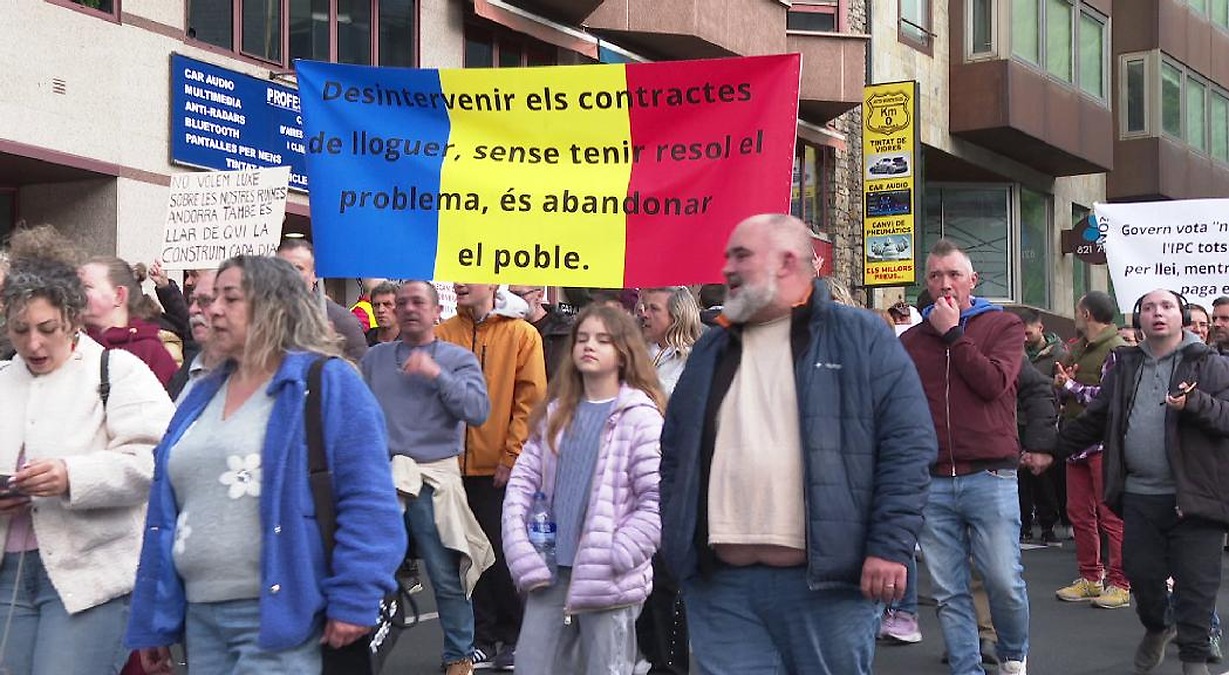
The series will kick off with 'El pisito', a 1959 black comedy directed by Marco Ferreri, which addresses the difficulties of housing access for the working class. Interestingly, this screening coincides with a general strike focused on similar issues. The session originally scheduled for 11 November has been postponed to 16 November due to the strike.
Following the opening film, the series will feature 'El cochecito' (1960), also by Ferreri, on 18 November, and two films by Carlos Saura: 'Ana y los lobos' (1973) and 'La prima Angélica' (1974), set for 23 and 25 November respectively. These films reflect the political and social climate of Spain during the late Franco regime and the beginning of the Transition, tackling themes such as homosexuality that were previously silenced.
On 2 and 9 December, audiences can enjoy 'Pim, pam, pum... ¡Fuego!' (1975) and 'Un hombre llamado Flor de Otoño' (1978), both directed by Pedro Olea. The series will then present 'La corte de Faraón' (1985) by José Luis García Sánchez and 'Belle Époque' (1992) by Fernando Trueba on 14 and 16 December. The final film, 'La lengua de las mariposas' (1999) by José Luis Cuerda, will close the series on 12 January. This film, based on a novel by Manuel Rivas, also features azcona's collaboration on the screenplay.
The Aula de Cine at the University of Zaragoza aims to honour the legacy of the riojan screenwriter by showcasing some of his most significant works. Azcona began his career as a novelist and contributed to humour magazines like 'La codorniz' from 1951. His entry into cinema was marked by the adaptation of Ferreri's novel 'El pisito' in 1959. Throughout his career, azcona wrote over 50 films, including classics such as 'La escopeta nacional', 'La vaquilla', and 'El año de las luces', all of which reflect the realities of Spanish society during his lifetime.
This initiative, coordinated by Ana Asión, a film history professor at the University of Zaragoza, is part of a broader effort to commemorate azcona's work throughout 2026, highlighting his ability to portray both the society he lived in and the future that lay ahead. A similar series will soon launch at the Zaragoza campus, led by the Vice-Rectorate of Culture and Heritage, alongside a cycle of lectures and round tables titled 'Vida en ficciones: Un siglo con Rafael Azcona'.