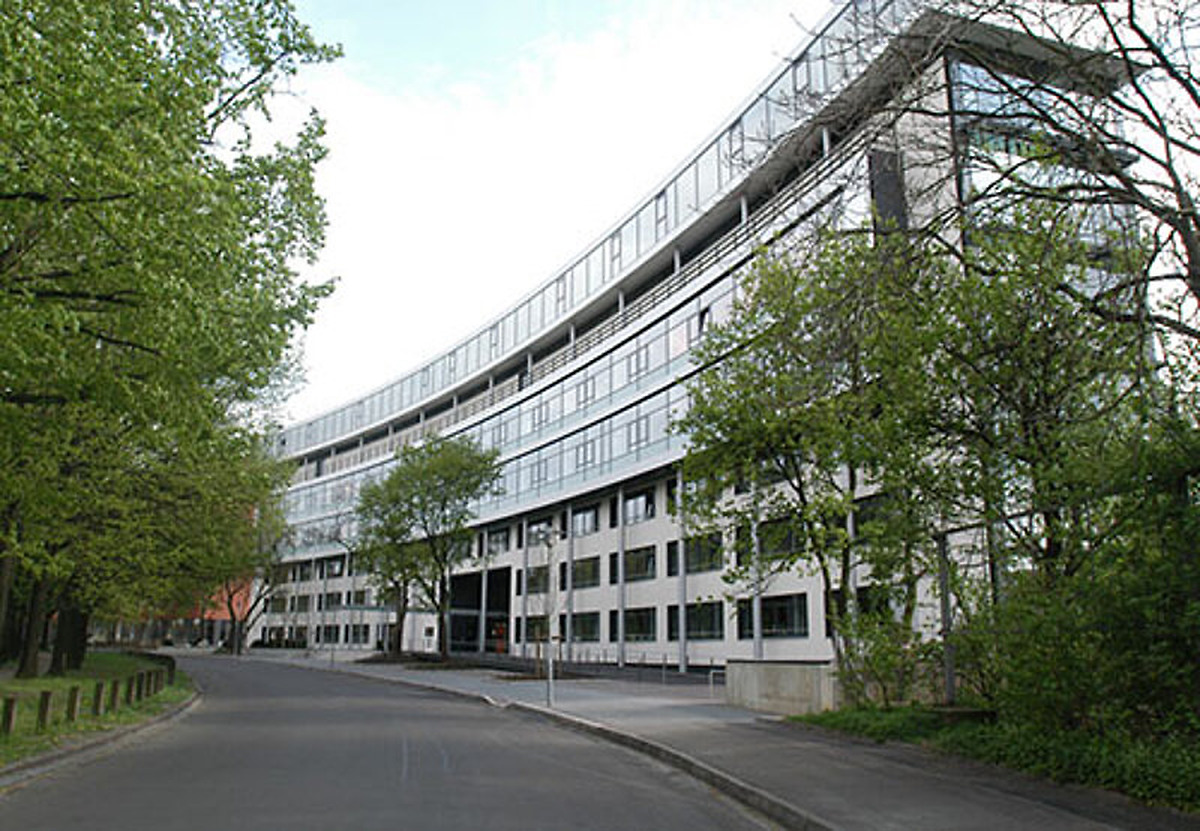
The scientific conference 'Between genes and vestiges' will focus on the study of ancient DNA and its impact on archaeology. Scheduled for 26 and 27 October at the Archaeological Museum of Alicante (MARQ), the event is organised in collaboration with the Max Planck Institute for Evolutionary Anthropology in Leipzig, Germany.
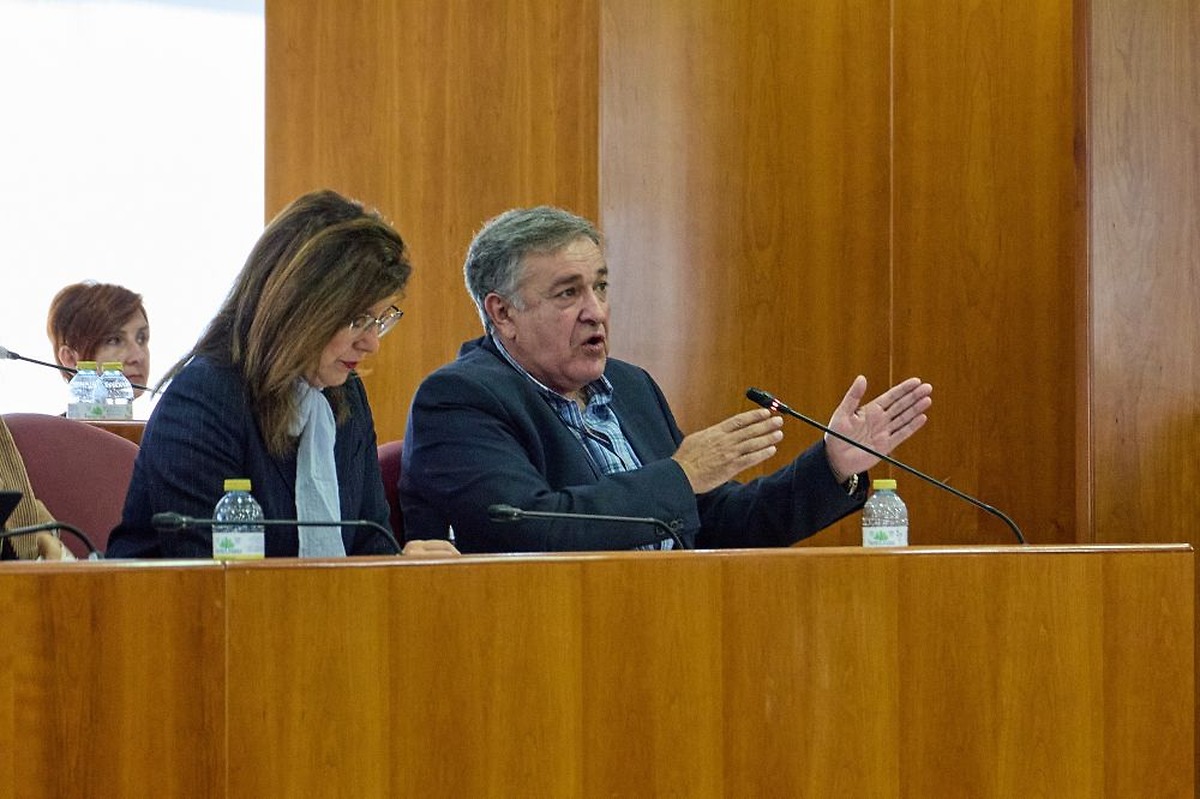
Attendees will include researchers from both institutions, as well as collaborators from the University of Alicante, the University of Granada, and the Autonomous University of Barcelona. Juan de Dios Navarro, the deputy for Culture, emphasised the international and scientific nature of the conference, which aims to explore new research avenues opened up by advancements in ancient DNA studies and their implications for archaeology.
“From the Diputación, we maintain our commitment to culture and history, in this case through MARQ, fostering collaboration between geneticists and archaeologists in one of the most fertile settings in Europe for understanding the past, namely the Iberian Peninsula and our province in particular,” Navarro stated.
The conference will highlight a shift in archaeological research, where sites are no longer examined solely for their artefacts, tombs, or chronologies, but also for the biological traces left by their inhabitants. This approach allows for unprecedented reconstruction of how populations migrated and intermingled, as well as shedding light on the diseases these communities faced and their consequences.
Researchers emphasise that ancient DNA does not replace archaeology but rather enhances it, prompting more precise questions about the formation of early communities, their origins, relationships, and the sources of the goods they used.