The Palacio del Infantado is currently hosting the exhibition 'In Defence of Antarctica', which showcases 41 panels detailing Spanish research in the continent and its ties to Guadalajara. The exhibition will be on display for one month in the Blue Room of the Museum of Guadalajara, organised by the Regional Government of Castilla-La Mancha and the Defence Subdelegation in Guadalajara.
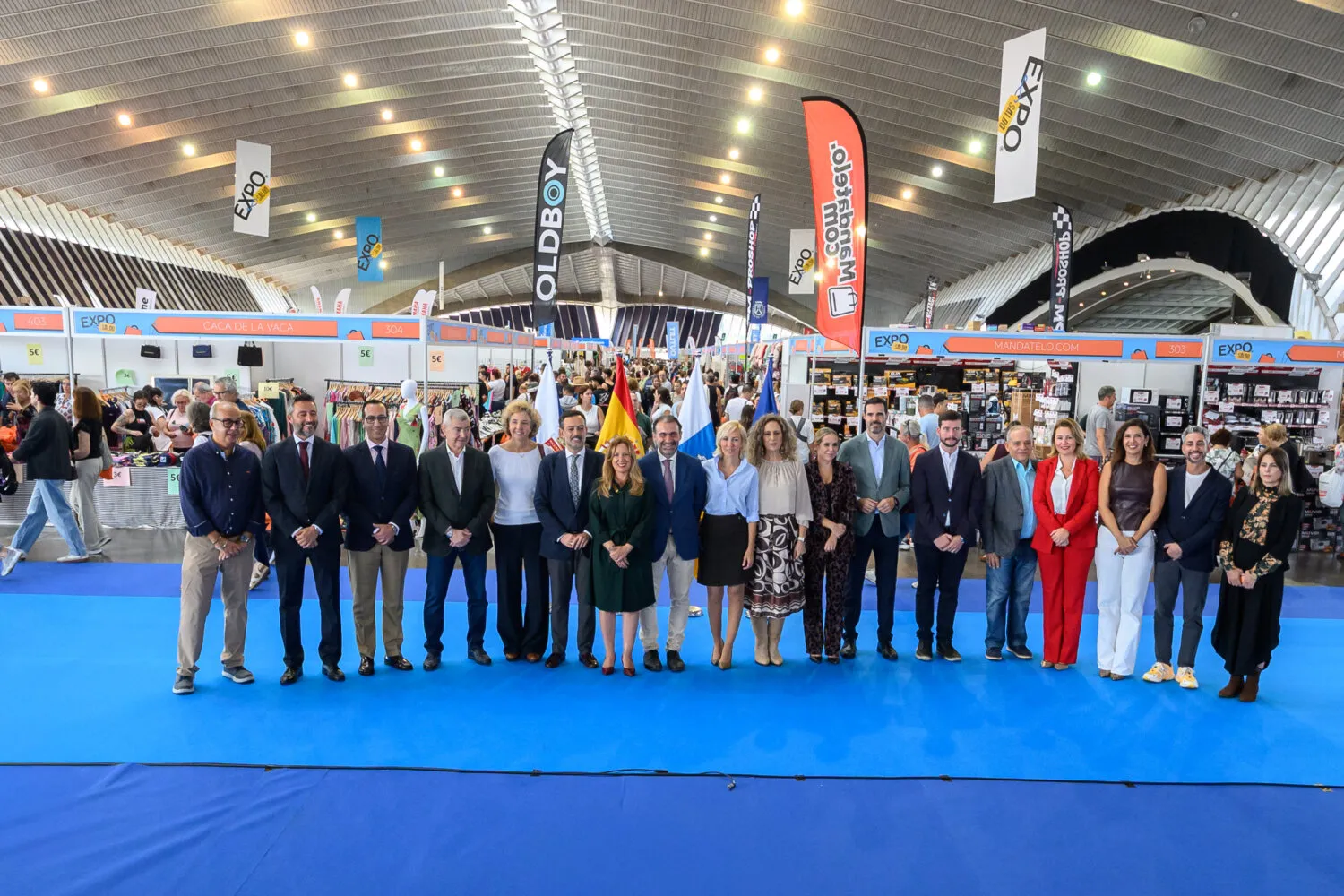
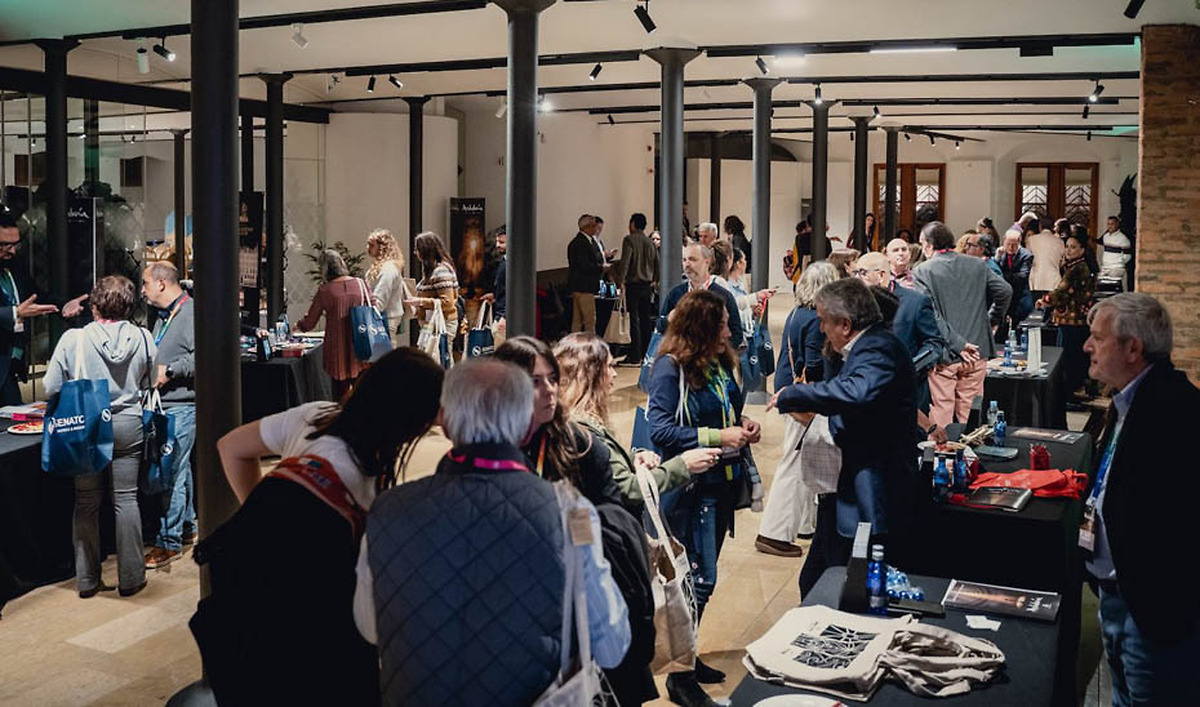
At the opening ceremony, the first deputy mayor and councillor for Culture, Javier Toquero, along with councillor Roberto Narro, attended alongside other municipal officials and representatives from the Defence Subdelegation. The exhibition highlights a unique connection between Guadalajara and Spanish expeditions: as explained during the presentation by Colonel Domingo Jarillo, the Defence Subdelegate in Guadalajara, the first habitable modules were developed at the Fort of San Francisco. Among these was the well-known 'Naranjito', named for its orange colour and designed to facilitate the stay of the expedition members.
The exhibition features 41 panels with texts and photographs taken by expedition members, providing insight into the Spanish presence in Antarctica and the collaboration between scientists and military personnel. Jarillo elaborated on the role of the Armed Forces in providing logistical support that enables research to be conducted during the austral summer, thousands of kilometres from Spain.
The exhibition presents the Juan Carlos I and Gabriel de Castilla bases, managed by the Spanish National Research Council (CSIC) and the Army, respectively, along with the ship Hespérides, operated by the Navy, and the oceanographic vessels Sarmiento de Gamboa and Odón de Buen. It also addresses the Antarctic Treaty, signed in 1959, which serves as a framework for scientific cooperation and the peaceful use of the continent.
“Understanding the history of the Fort of San Francisco also means discovering its connection to distant places like Antarctica. This exhibition brings together history, science, and culture to connect us with the people and the work that makes research in that continent possible,” stated Javier Toquero.