The museum at the Neolithic site of Cova de l’Or in Beniarrés will remain open to the public until 29 November, extending its season by three weekends beyond the original closure date. Managed by the CV MARQ Foundation in collaboration with the Beniarrés Town Hall, the site offers visitors a comprehensive tour of both the Interpretation Centre and the archaeological enclave.
Juan de Dios Navarro, the regional deputy for Culture, explained that the closure is part of a scheduled plan to address extreme temperatures during both summer and winter seasons. The museum is set to reopen on the weekend of 20 and 21 March 2027.
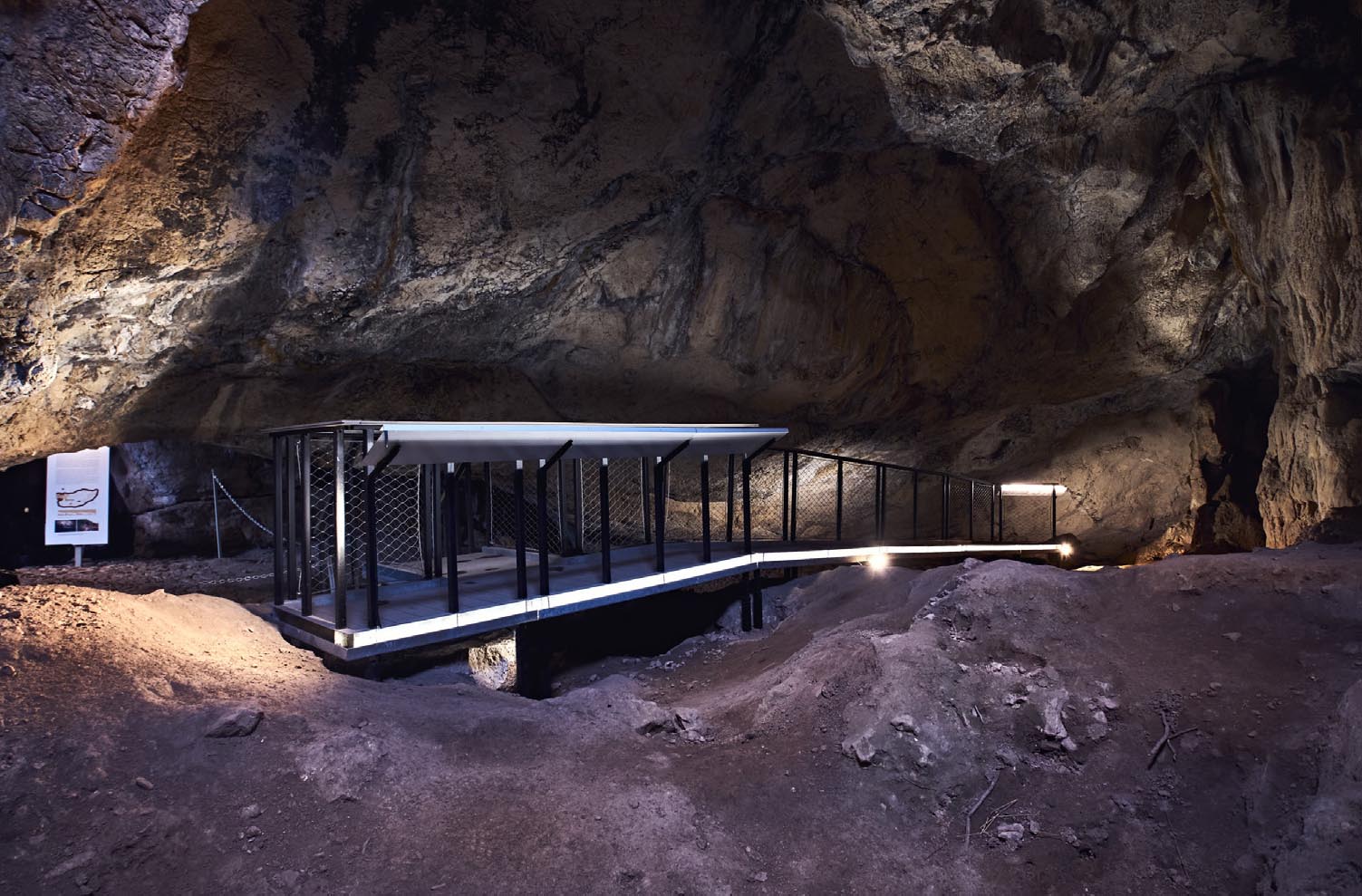
Cova de l’Or is one of the most significant archaeological sites from the Neolithic period in the Iberian Peninsula, designated as a Site of Cultural Interest. Over the past three years, it has hosted organised groups for guided tours that culminate in a culturally and scenically rich experience, starting from the Interpretation Centre located in the urban area of Beniarrés.
Approximately 4,000 people have already enjoyed this high-quality cultural and natural itinerary, which has become an important historical reference. Tours are conducted on Saturdays and Sundays at 09:00 and 11:30, with visitors meeting at the Interpretation Centre before being transported by minibus to the trailhead leading to the archaeological site. To preserve the historical and cultural value of the site, a maximum of 15 people are allowed per tour, and independent visits are not permitted.
This year, visits to Cova de l’Or will conclude on 28 and 29 November, with tickets available for purchase online for those wishing to participate. Located at an altitude of 675 metres above sea level, Cova de l’Or sits on the southern slope of the Sierra del Benicadell mountain range. The site contains an archaeological deposit of great importance for understanding the Neolithic period on the Mediterranean façade of the Iberian Peninsula.
The quality and significance of the archaeological material discovered since excavations began in the 1930s indicate that the cave served as a social reference point for Mediterranean settlers who introduced agriculture and livestock farming to these valleys around the mid-6th millennium BC. Evidence from the Neolithic period (5500-5000 BC) includes accumulations of wheat and barley seeds, as well as shell-impressed ceramics, some of which feature human figures with raised arms, either alone in a position of prayer or in groups suggesting a dance. This pottery is associated with the Macro-Schematic Art movement, linking the cave to rock art sanctuaries from that era, such as Sarga (Alcoy) and Pla de Petracos (Castell de Castells), suggesting that Cova de l’Or may have been involved in some form of ritual cycle connected to these gathering sites.