This year, Madrid's City Council plans to plant 803,770 seasonal flowers, a 4.2% increase compared to last year, with the aim of beautifying the city. Tulips and pansies will be the main features of this campaign, complemented by various other species that will create compositions with diverse colours, textures, and blooming periods.
The selected species, adapted to Madrid's climate, will provide colour and diversity during the colder months and maintain the landscape quality of the city's green heritage. The distribution of the plantings has been designed to ensure a balanced approach across Madrid's districts, tailoring species and intervention volumes to the characteristics of each area.
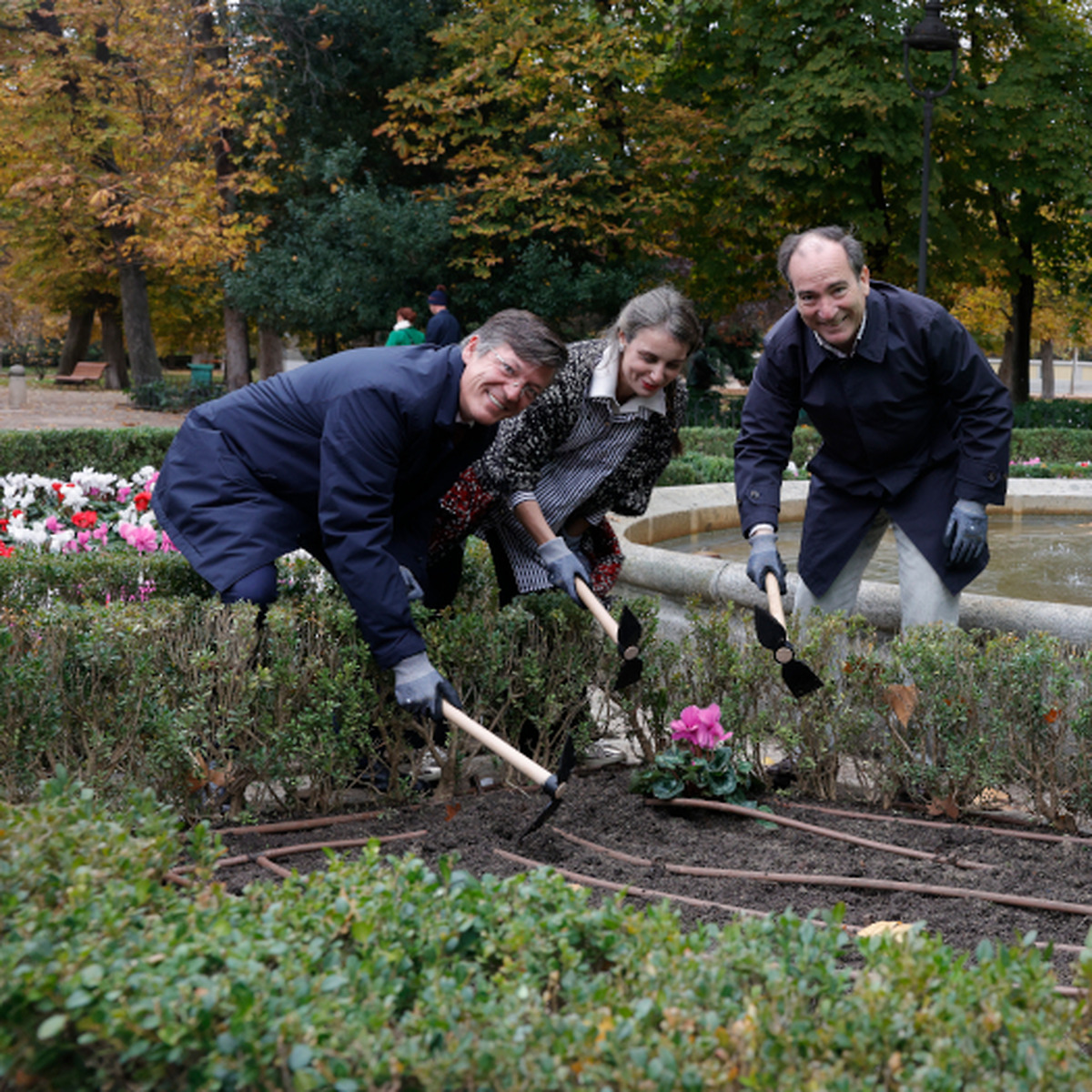
Borja Carabante, the delegate for Urbanism, Environment, and Mobility, along with José Antonio Martínez Páramo, the councillor for Cleaning and Green Spaces, and Andrea Levy, the councillor for Retiro, visited the Buen Retiro Gardens, one of the city's green spaces where the annual autumn-winter flower planting campaign is taking place. Carabante explained that these initiatives help refresh the image of Madrid's green spaces during autumn and winter while preparing for the spring blooms.
This season, 803,770 flowers will be planted throughout the city, up from 770,000 last year. Carabante emphasised the importance of understanding the work done by professionals who care for Madrid's parks and gardens, noting that behind every flowerbed lies careful planning, expertise, and many hours of work. The results will be enjoyed by both residents and visitors as these plants reach their full bloom.
The City Council conducts two annual planting campaigns: one in autumn-winter and another in spring-summer. Of the 803,770 flowers for this autumn-winter, 547,569 will be placed in the city’s districts, while 256,201 will be in historical and unique parks, where ornamental and heritage considerations require a more specialised landscape approach.
The distribution of plantings is designed to ensure that improvements reach all parts of the city. Madrid is a diverse city, and its green spaces reflect this diversity. The goal is for all districts to enjoy well-maintained parks and gardens, filled with colour and species suited to each location.
The distribution of flowers by district shows Retiro leading with 157,641 specimens, followed by Centro with 104,217, Arganzuela with 73,974, and Barajas with 69,230. Other notable districts include Salamanca with 56,069 plants, Moncloa with 54,483, and Fuencarral-El Pardo with 47,000. The remaining flowers are distributed among various districts, ensuring that the renewal of vegetation reaches different areas of the city, from large parks and gardens to local green spaces, contributing to a balanced enhancement of the urban environment.
The floral renewal also helps maintain the appeal of green spaces during a time when certain species reduce their blooming and prepares for new compositions in the spring months. This campaign includes a wide variety of species that will add colour, diversity, and contrasts to Madrid's parks and gardens, adhering to criteria of resilience, ornamental value, and climate adaptability.
Among the most numerous species are tulips, with 313,927 specimens, and pansies, with 224,196, both known for their vibrant colours and ability to bloom during the colder months. Other plants include 77,509 chrysanthemums, 35,040 marigolds, 31,384 cyclamen, and 27,109 ornamental cabbages, along with a variety of other flowers that will create diverse floral compositions throughout the season.
The selection of species is tailored to the characteristics of each area, such as sunlight exposure, soil type, and maintenance needs. Beyond their ornamental value, these plantings contribute to plant diversity and provide food and shelter for various urban wildlife.
This initiative is part of Madrid's Green Infrastructure and Biodiversity Plan, which aims for more connected, diverse, and resilient green areas. The planning of the campaign considers different flowering cycles to ensure that green spaces maintain visual interest for as long as possible. Seasonal species will bring colour throughout autumn and winter, while tulip and daffodil bulbs will remain in the ground until their spring bloom.
This succession allows flowerbeds to evolve with the seasons, providing citizens with varied plant landscapes throughout the year. The combination of species also introduces greater colour variety, from the vibrant hues of tulips and pansies to the shades of chrysanthemums, marigolds, daffodils, and other selected varieties. All of this contributes to enhancing the landscape value of parks and gardens, making public spaces more attractive.
The campaign will allow for new blooms during autumn and winter while simultaneously preparing for the arrival of spring, reinforcing Madrid's identity as a green city with well-maintained public spaces designed for the enjoyment of its residents.