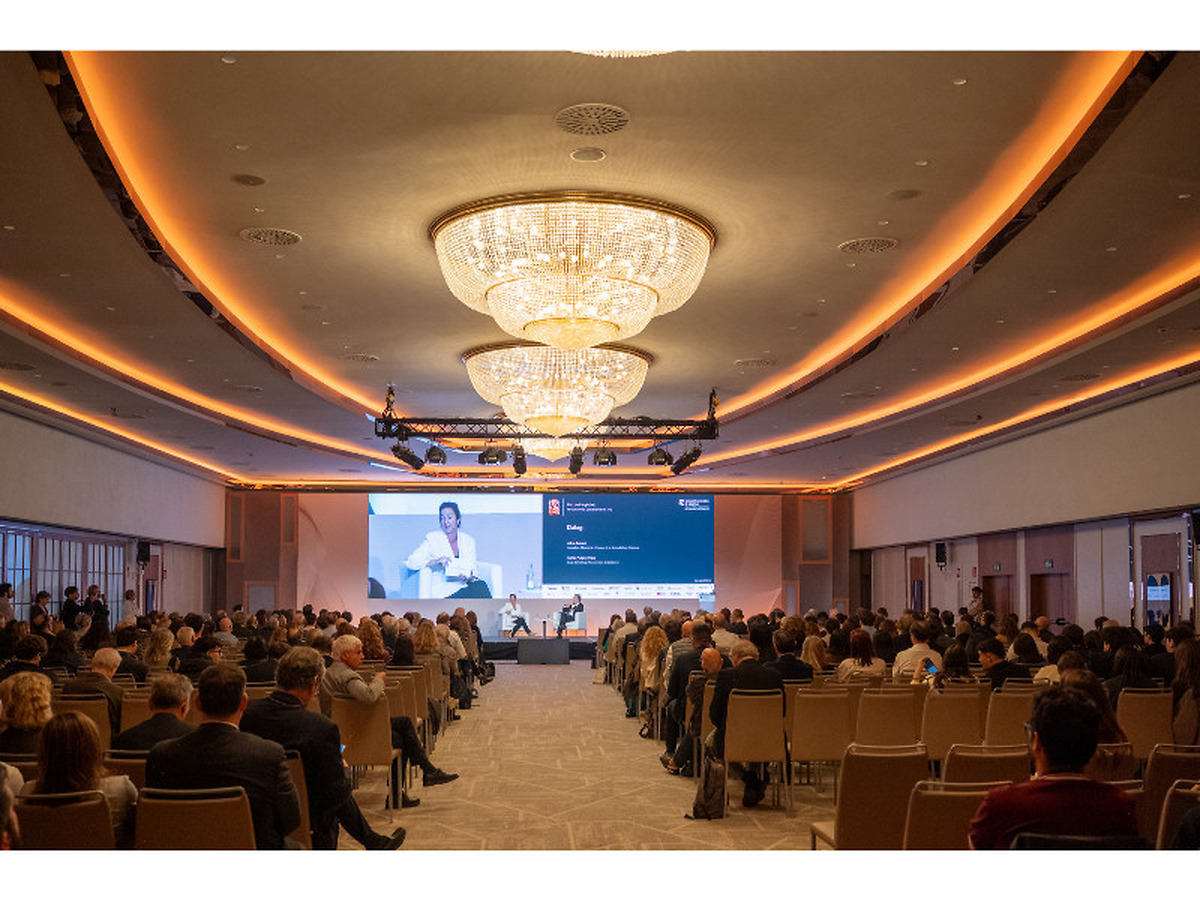
Centro danza matadero is set to host the second meeting of the ‘Diálogos con la danza’ series, focusing on the current state of the dance sector in Spain. Scheduled for 17 and 18 November at Nave 16.1, the event will feature over thirty speakers who will provide a comprehensive view of the professional dance ecosystem through six roundtable discussions held throughout the day.
Under the theme ‘Dance in Spain: the fluid dance of talent and endemic crisis’, the discussions will cover a range of topics, from the training of future dancers to research, production, exhibition, and audience engagement. Key issues such as professionalisation, artistic residencies, and the working conditions of performers will be explored.
The event is coordinated by journalist Clara Molla Pagán and Irene López Arnaiz, a researcher and professor at the Complutense University of Madrid. It aims to bring together professionals, researchers, and cultural agents to analyse the current situation of the dance sector from a multidisciplinary perspective.
Key topics for discussion will include the training models for dancers and choreographers, professional pathways, and the ongoing transformations within choreographic practices. Special attention will be given to the labour and structural realities of the dance field, examining production, distribution, and visibility of works, as well as the roles of institutions, creative spaces, and programming circuits.
The event will also reflect on the role of dance criticism and academic research, looking at methodologies, dissemination formats, and their relationship with artistic practice. Furthermore, the discussions will broaden the focus to include the various professions linked to dance, such as technical staff, lighting, costume design, production, mediation, and communication.
Among the notable participants are Leticia Martín, director of the Grec Festival in Barcelona; Elena Carmona, artistic director of the Teatro Central in Seville; Muriel Romero, director of the National Dance Company; Rubén Olmo, director of the National Ballet of Spain; and Giulia Poltronieri, artistic coordinator of the Dansa Metropolitana Festival, alongside several prominent dancers and choreographers.
While the dance scene in Spain is experiencing a vibrant creative moment, it continues to face unresolved structural issues. Despite the artistic evolution and diversity of styles, the sector grapples with endemic challenges in training, employment, and professional development. This meeting encourages a collective reflection on dance as a significant social and cultural issue, advocating for its recognition in society and its impact on work, education, and cultural development.
One of the main challenges highlighted during the event will be the connection between dancer and choreographer training and the realities of the professional market. Discussions will address the difficulties faced by recent graduates in joining companies and the importance of transition and professionalisation programmes. Artistic residencies will also be identified as crucial for creation and innovation.
Another roundtable will focus on recognising the unique professional identity of dancers, addressing the physical, artistic, and labour-specific needs of those who use their bodies as creative tools. The discussions will delve into their professional conditions, opportunities, challenges, risks, and future prospects after leaving the stage.
Distribution is another key issue for the sustainability of the sector, with debates planned on the need for robust management, marketing, and promotion structures that enable artists and companies to access theatres and exhibition circuits, ensuring the circulation of their works.
Communication and specialised criticism play an essential role in promoting dance and engaging the public, generating knowledge and recognition, and providing visibility to artists and their creations. Consequently, tools for visibility and analysis will be a focal point of dialogue.
The role of theatres, festivals, and programmers as essential agents in the dance ecosystem will also be examined, discussing how programming decisions affect the visibility of works, the consolidation of artistic careers, and the relationship between artists and audiences. Additionally, research will be a topic of reflection in one of the roundtables, focusing on the connection between knowledge and contemporary creation, advocating for academic, historical, theoretical, and practical research as a means to understand dance, recover its heritage, develop critical thinking, and maintain a continuous dialogue with current creation.