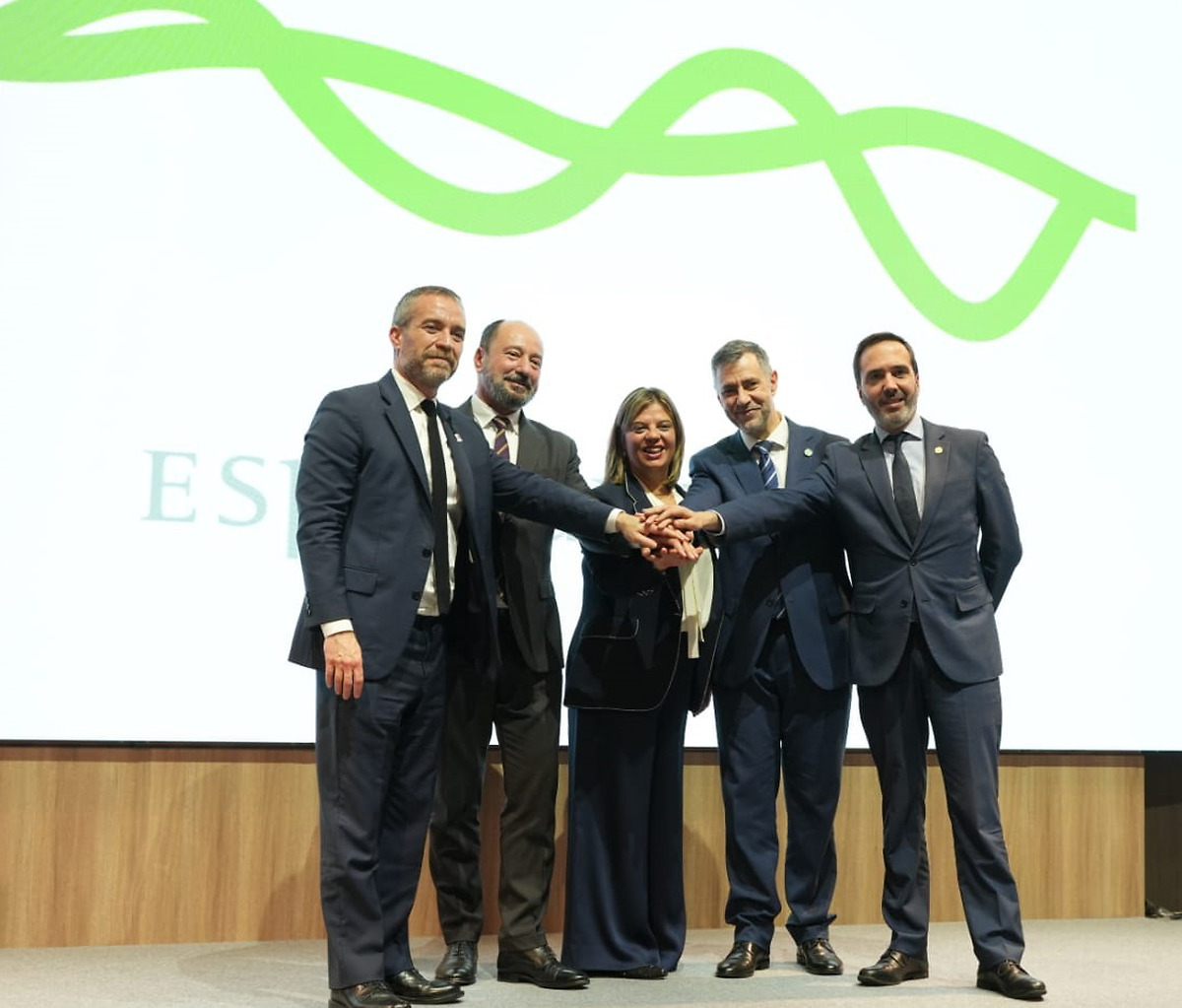
The President of the Canary Islands, Fernando Clavijo, presided over a commemorative event marking the 300th anniversary of the arrival of the first Canary Islanders in Montevideo. This milestone underscores the historical significance of Canary Island emigration and the enduring cultural, historical, and cooperative bonds between the two communities.
On 19 November 1726, nearly a hundred Canary Islanders, half of whom were children, arrived in the Americas aboard the ship Nuestra Señora de la Encina, embarking from Santa Cruz de Tenerife to establish what would become Montevideo. The celebration took place at the Espacio La Granja in Santa Cruz de Tenerife and brought together institutional representatives and members of the Uruguayan community residing in the Canary Islands.
During his speech, Clavijo emphasised that both peoples have successfully preserved their common roots through shared legacies and the brotherhood nurtured over generations. He stated, “Both peoples have managed to keep alive their common roots through the shared legacy and the brotherhood that we have been able to preserve and care for over generations.”
Clavijo further highlighted the importance of strengthening a relationship built over time on “memory, cooperation, and mutual recognition.” He recalled the courage of those Canary Islanders who crossed the Atlantic in search of new opportunities, bringing with them their knowledge, customs, and traditions. “Men, women, and children who set off with uncertainty but also with the hope of what was yet to be discovered, who worked hard to create a new home far from their own and who were the architects of what would become a new society reflecting ours on the other side of the shore,” he noted.
The President remarked that the value of this commemoration lies in the fact that “three hundred years later, we continue to recognise each other and have been able to preserve the threads that unite us to come together and highlight our shared history and all that we have been able to build together through bonds of brotherhood, cooperation, respect, and mutual recognition over centuries.”
Clavijo also recalled that many Canary families had to emigrate in the past to find opportunities unavailable in the Islands, stating, “They opened their doors to us when we needed it, welcomed us, and gave us the chance to work and forge a future where we could build families.” He added, “Today we have seen how our customs, our surnames, and our cultural and historical ties remind us that we have a common history and that it is now our responsibility to continue caring for it and passing it on to future generations.”
The event was attended by various institutional representatives, including Silvana Balaguer Mira, the Uruguayan consul in the Canary Islands, who recalled a pivotal moment in the history of both peoples when on 19 November 1726, twenty-five Canary families arrived in the area where Montevideo would be established. This expedition comprised men, women, and children, many of whom were minors, marking one of the first milestones in the settlement process that would give rise to the city.
Clavijo also referenced an institutional visit to Montevideo he made in June, during which he explored various sites linked to the legacy of Canary Island emigration in Uruguay. This visit reaffirmed the foundations of relations between the two regions through the signing of a new cooperation framework aimed at further strengthening ties across the Atlantic.
This commitment has continued with the recent visit to the Canary Islands by Uruguay's Minister of Education, which has opened new avenues for collaboration, particularly in research and development, paving the way for joint projects between the two territories.
The commemorative event concluded with a musical performance titled 'Tras las huellas' (Following the footprints), specifically created for the occasion under the musical direction of Julio Tejera and Rogelio Botanz. The performance features three musical pieces composed of folías, canario, and malambo, reflecting the 300th anniversary of the arrival of Canary families in Montevideo. The title draws on the concept of footprints as not only a physical or documentary mark but also as a familial, social, and sonic signal that endures through generations.
Three centuries after that first voyage, Canarias and Uruguay continue to uphold a legacy that transcends geographical and generational boundaries, remaining an integral part of the shared history, culture, and identity of both peoples.