The vice president of the Principality of Asturias, Gimena Llamedo, has advocated for shared responsibility as the core principle of a new tourism tax bill. This legislation aims to ensure that visitors contribute to the upkeep of public services and spaces they utilise during their stay in the region.
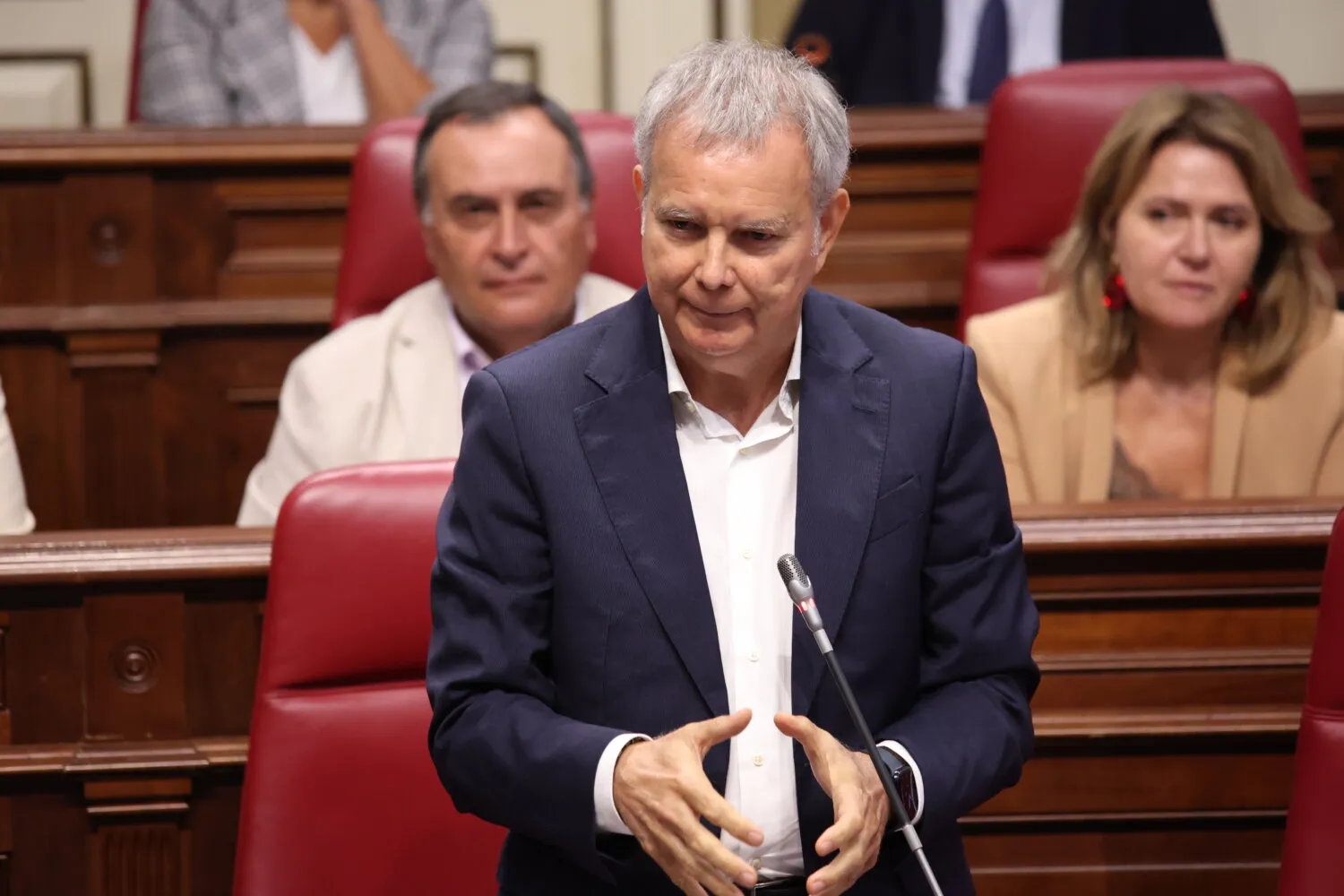
Presenting the bill at the Junta General, alongside the Minister of Finance, Justice and European Affairs, Guillermo Peláez, Llamedo highlighted the concept of 'respecturism', which promotes sustainable growth as a tourist destination while preserving the territory. Between January and September, Asturias welcomed 2.3 million visitors, the highest number in its history, along with 5.7 million overnight stays, with one in four visitors being international. These statistics underscore Asturias's growing reputation as a tourist destination.
“Given that Asturias is breaking records, we are presenting this law,” Llamedo stated, emphasising the importance of addressing the challenges associated with the sector's growth. She explained that while tourism generates wealth and opportunities for Asturias, it also places a strain on public services, particularly during the summer months when many municipalities see their populations swell.
“Should only residents bear the cost, or should visitors also contribute? The government is clear: those who come to enjoy Asturias should help care for it. That is shared responsibility,” she asserted.
The proposed law stipulates that the tax will be applied during peak tourist months, with each municipality deciding whether to impose a surcharge based on its specific tourism context. “Asturias is diverse, and tourism is experienced differently across regions,” Llamedo noted.
Every euro collected from the tax will be returned to the municipality that implements it, aimed at enhancing services and public spaces used by both residents and visitors. The Principality's Tax Agency will manage the tax collection.
This legislation complements a broader strategy that includes updates to tourism laws and increased regulatory activity. The government has quadrupled its inspection efforts and is processing new regulations for guides and tourist apartments. Furthermore, Asturias Airport has expanded from 14 to 30 direct destinations, surpassing two million passengers for the first time last year.
“Asturias is organised and invests. That is why Asturias is growing,” Llamedo summarised. She also pointed out that Asturias is joining a trend seen in other autonomous communities; Galicia introduced its tourism tax in 2024, while the Basque Country plans to implement a similar measure in 2027. This means that three of the four regions in Green Spain will have such mechanisms to enhance the sustainability of tourism and local public services.
Finally, Llamedo extended an invitation to all parliamentary groups to collaborate on improving the bill during its legislative process. “Asturias has chosen to grow with balance and respect, placing Asturians at the centre. Enjoying Asturias means caring for Asturias,” she concluded.