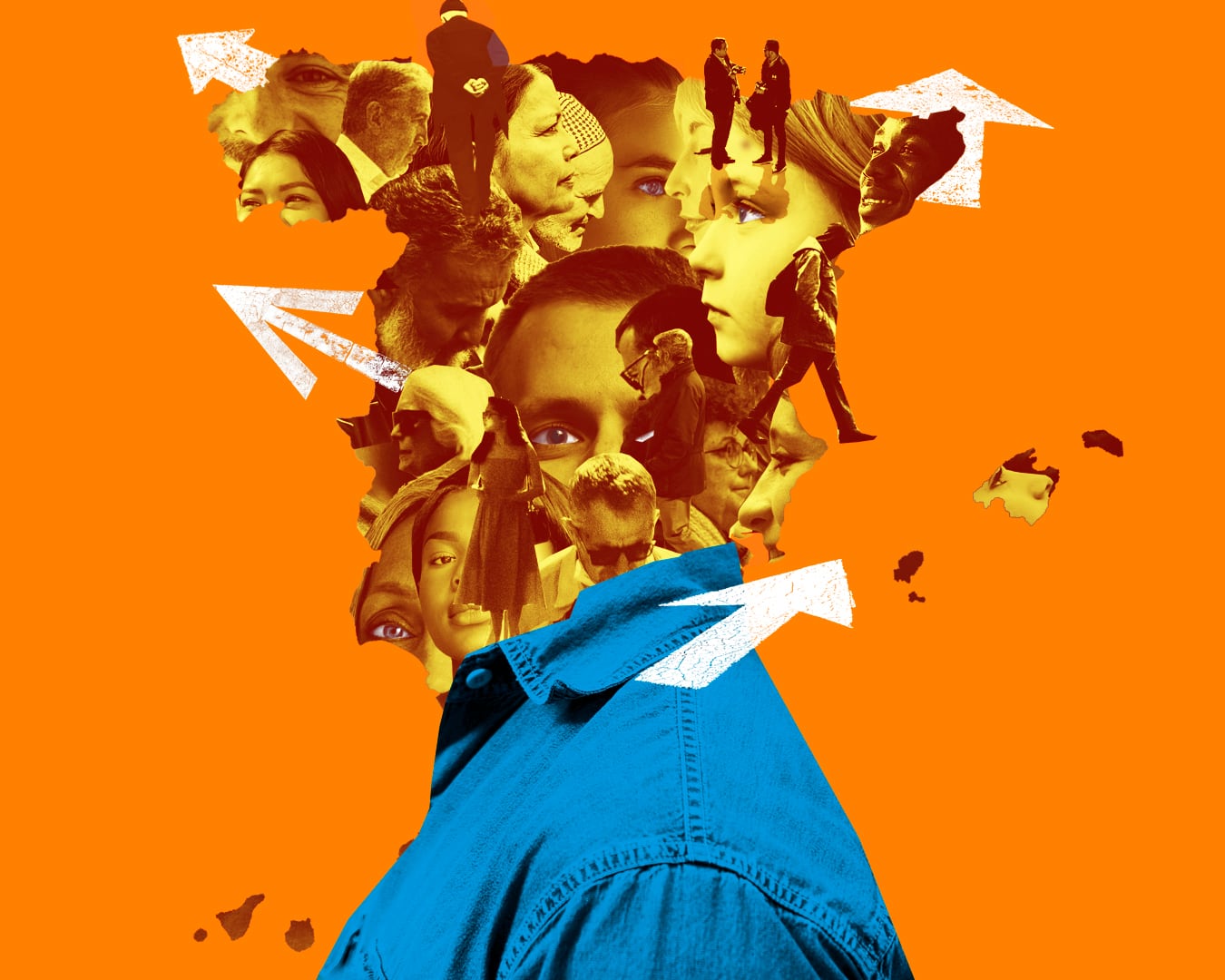
Spain has reached a pivotal moment in its history, one that reflects modernity without nostalgia for its past. The country is no longer distinct from its European neighbours; rather, it is evolving into a society that is diverse and multifaceted. This transformation is explored by five historians as the nation prepares for the elections on 29 November.
Historically, Spain was often viewed as an outlier within Europe, shaped by the legacy of the Catholic Monarchs and the echoes of a once-mighty empire. However, the current landscape is markedly different. Spain is now aligned with countries like Denmark, Germany, and France, navigating the complexities of a diverse society that has emerged over centuries.
As Spain moves forward, it faces the challenge of managing its rich tapestry of cultures, languages, and traditions. The nation is no longer defined by a singular identity but is embracing a multitude of influences. From the classroom to the workplace, and in both rural and urban settings, the rhythm of life has shifted. Celebrations now span from Halloween to Oktoberfest, while traditional observances like Semana Santa coexist with new cultural expressions.
This evolution signifies a departure from the past, as Spain seeks to harmonise its diverse identities and foster a sense of community among its citizens. The upcoming elections will serve as a crucial test for how the country navigates this new chapter in its history.