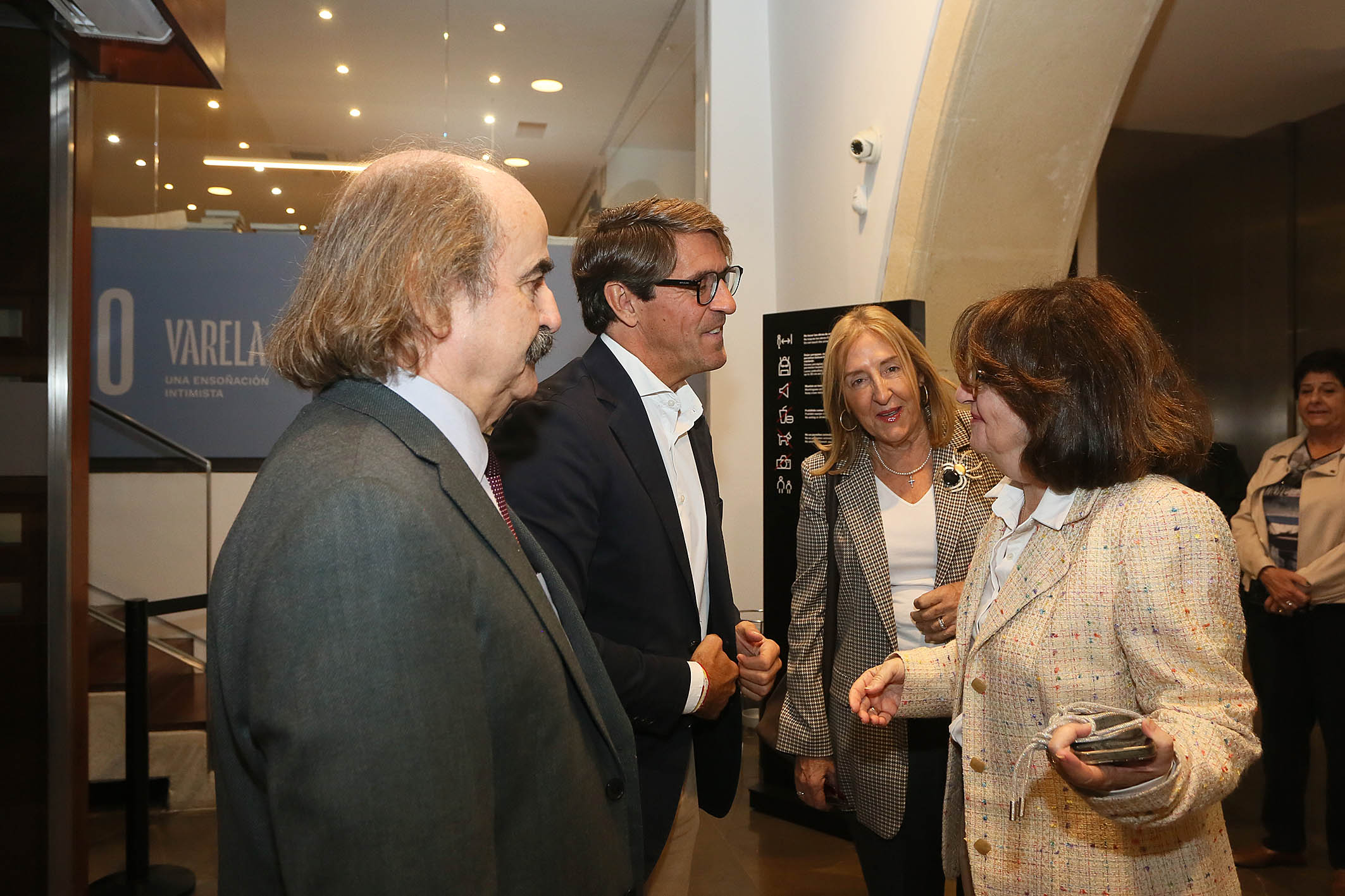
The Museum of Fine Arts in Alicante (MUBAG) has unveiled a refreshed image after completing renovations on its ground floor. This project not only expands the museum's exhibition capabilities but also restores significant architectural features from the 18th century.
The transformation includes the addition of an audiovisual presentation that recreates the historical evolution of the Palacio del Conde de Lumiares and its urban surroundings from the 17th to the 19th centuries, utilising 3D modelling techniques and artificial intelligence.
Juan de Dios Navarro, the Deputy for Culture, remarked, “This renovation represents a significant step forward for MUBAG, as it allows us to recover and showcase historical elements that are part of this building's identity. We want the museum to be an increasingly open, accessible, and dynamic space, capable of combining the preservation of our heritage with new cultural and educational proposals.” He further noted, “As we approach the 25th anniversary of MUBAG, we do so with renewed facilities and new resources to continue growing and offering quality cultural experiences to the public.”
The renovation has resulted in a more spacious, modern, and attractive lobby, where one of the original arches from the 18th-century construction has been restored for visitors to enjoy, previously only visible to internal staff. The new area features informational screens to highlight MUBAG's programming and a visitor service desk inspired by the arches of the Palacio del Conde de Lumiares. Additionally, the new infrastructure allows for the potential incorporation of a shop in the future.
According to Jorge A. Soler, the museum's director, the reorganisation enhances the connection between the Emilio Varela Room and the area integrated into the museum complex with access from Jorge Juan Street. This space, distributed over two levels and connected by a glass railing, creates an intriguing architectural dialogue between the original 18th-century arcades and the concrete columns added in the 20th century.
The renovation, overseen by architect Ángel Rocamora, has also enabled the creation of a versatile space in the basement that can adapt to various uses, both public and internal. This new facility will host exhibitions, workshops, cultural activities, and meetings, thereby expanding the museum's usage and programming possibilities.
The MUBAG's renovation is complemented by the introduction of the audiovisual presentation 'A palace for MUBAG: Alicante, 17th-19th centuries', which will allow visitors to embark on a virtual journey through the building's history and its urban environment. Directed by Daniel Tejerina, the audiovisual recounts a significant event in the city's history: the bombing of Alicante in July 1691 by a fleet sent by Louis XIV, which caused extensive damage to numerous buildings, including the former Town Hall. Following this event, the piece reconstructs the evolution of the urban environment and the building that now houses MUBAG, which has historically been linked to the area of docks and the city's former waterfront.
To create this recreation, primarily graphic documentation from the museum's artistic collections and the Alicante Municipal Archive has been utilised. These materials have served as the foundation for virtually reconstructing various scenarios from the 17th, 18th, and 19th centuries using 3D modelling techniques combined with generative artificial intelligence tools applied to image and video creation.