Thousands of people from various regions of the Catalan Countries mobilised between 1975 and 1977 to discuss the future of language, culture, and society during the final years of Francisco Franco's dictatorship and the restoration of democratic freedoms. The Catalan Culture Congress brought together organisations, professionals, and citizens from diverse fields in a collective participation process that helped formulate proposals for social and cultural transformation.
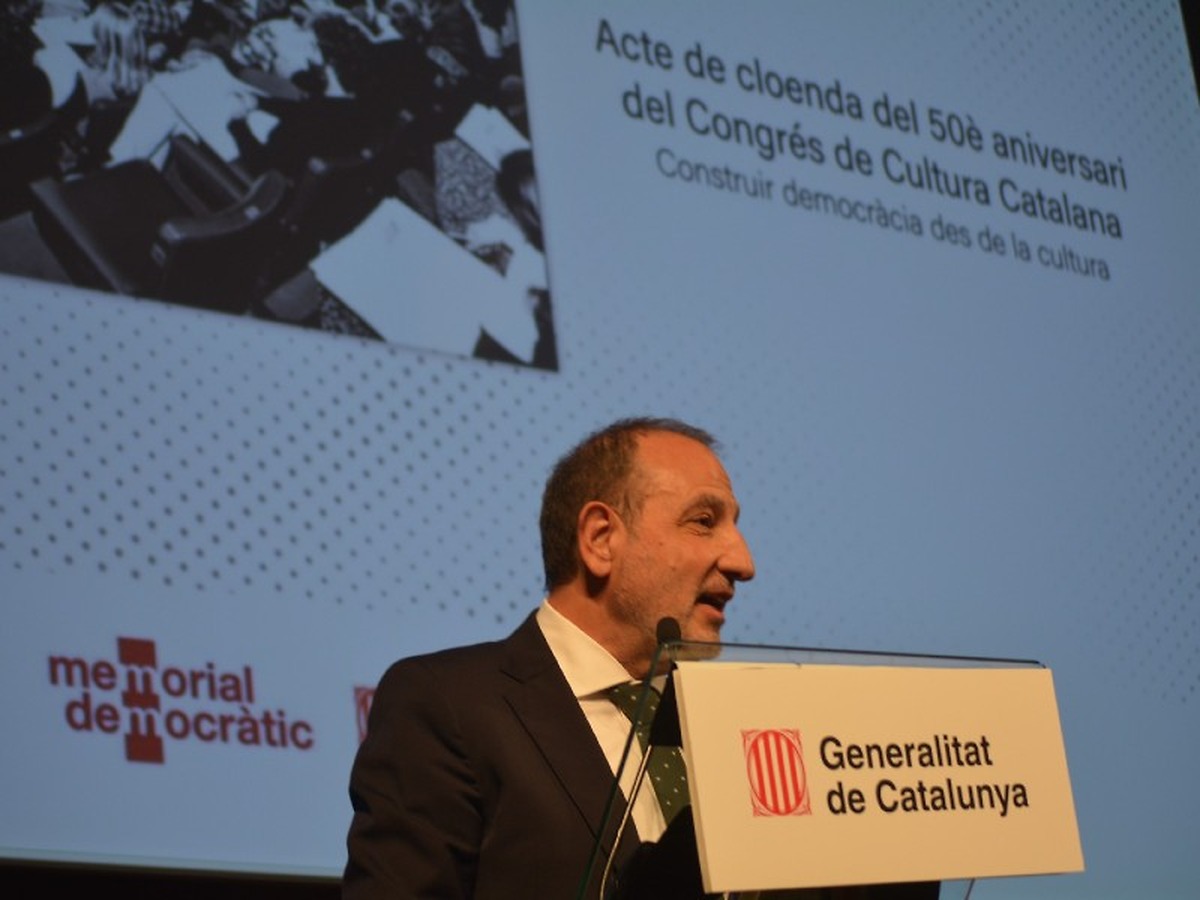
Fifty years later, the Memorial Democrático concluded the commemoration of this significant experience with a gathering at the Ateneo Barcelonés, themed 'Building democracy through culture'. The event featured remarks from Ramon Espadaler, the Minister of Justice and Democratic Quality, who emphasised that the Catalan Culture Congress 'challenged society regarding language as a fundamental axis of opportunities and coexistence'.
Agustí Alcoberro, president of the Catalan Culture Congress Foundation, described it as a 'movement of connection between academia and civil society'. The day also included music, dance, and reflection, with a performance by singer Magalí Sare accompanied by guitarist Sebastià Gris, and a dance interpretation of 'L’Hereu Riera' by dancer Pere Seda.
The gathering included a discussion on the legacy of the Congress, featuring contributions from philologist Isidor Marí, historian and philologist Dolors Bramon, and philologist Maria Dasca.
The Catalan Culture Congress: collective participation to define the country's future
The Catalan Culture Congress emerged in the late years of Franco's dictatorship as a citizen mobilisation initiative with two main objectives: to promote the normalisation of the Catalan language and to defend the rights of individuals and Catalan culture within the context of the Catalan Countries. Between 1975 and 1977, the Congress created spaces for debate and proposal development across various fields.
Its conception of culture extended beyond artistic and heritage expressions, linking language to education and rights, while discussions about territory incorporated issues such as economy, ecology, and welfare. This process allowed for the sharing of knowledge and experiences from different sectors of society and contributed to formulating proposals that guided social and institutional debates in the following decades. The participation of organisations, professionals, and citizens in defining the country's future also represented a commitment to recovering freedoms and building democracy.
A commemoration to recover memory and disseminate contributions
The 50th-anniversary commemoration, driven by the Department of Culture with support from the Memorial Democrático and participation from other organisations and entities, has featured various initiatives throughout the year aimed at recovering this collective experience, recognising those who made it possible, and bringing its legacy to new generations. The travelling exhibition 'Imagine, share, build' has toured different locations in Catalonia, showcasing documents, images, and testimonies to highlight the Congress's impact and significance.
Activities have also facilitated encounters with some of the movement's protagonists, allowing for the sharing of experiences and a review of the contributions from a contemporary perspective. Furthermore, this commemoration has been linked to the 50th anniversary of the democratic struggles of 1976, promoted by the Department of Justice and Democratic Quality. In this context, the Congress has been situated within the broader framework of social mobilisations that, during the transition from dictatorship to democracy, demanded rights and freedoms and promoted the restoration of democratic institutions.