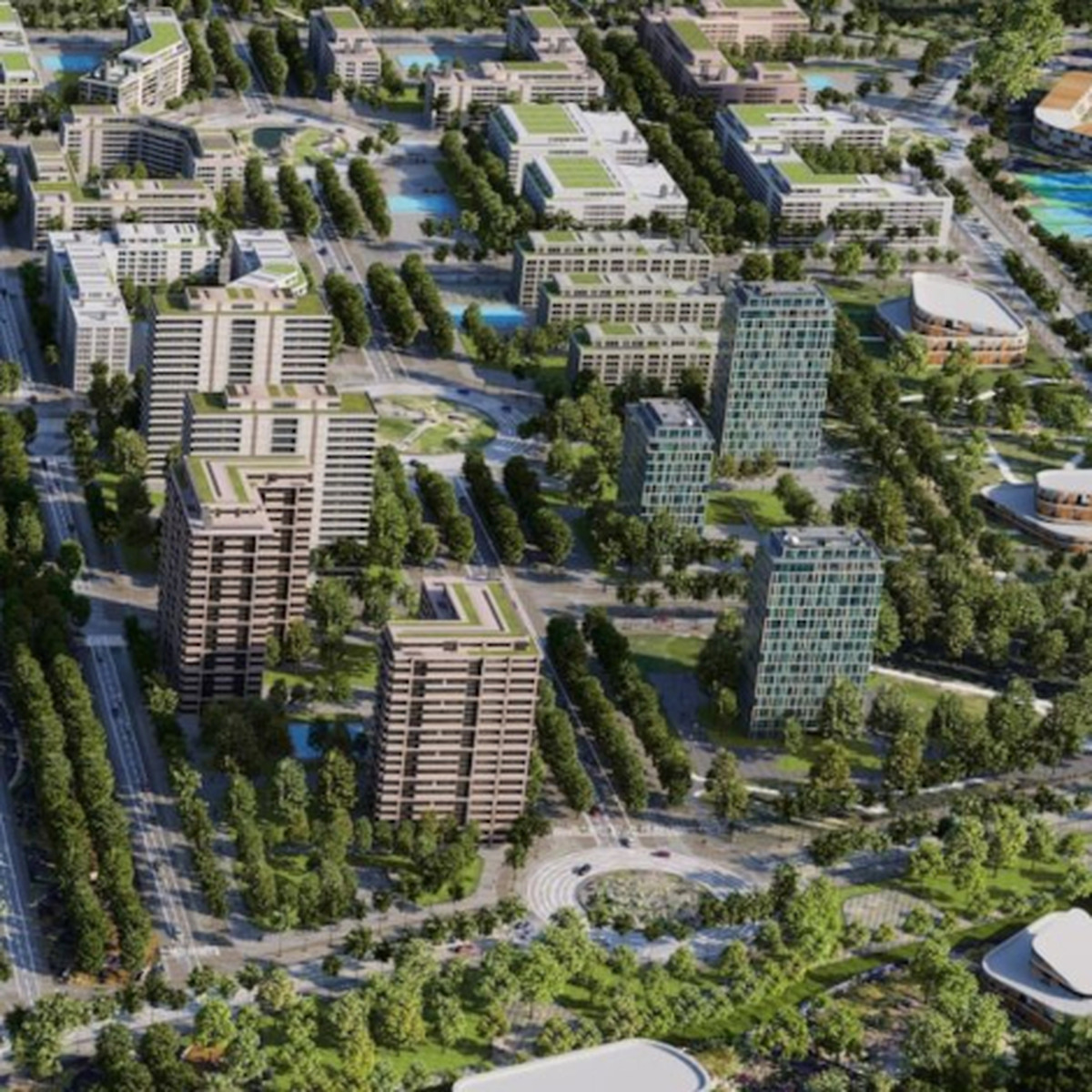
On October 1, 2026, the Madrid City Council's governing board approved the initiation of a public consultation for the development of a new Municipal Urban Ordinance. This ordinance aims to consolidate various urban regulations currently scattered across the General Urban Planning Plan and several sectoral ordinances.
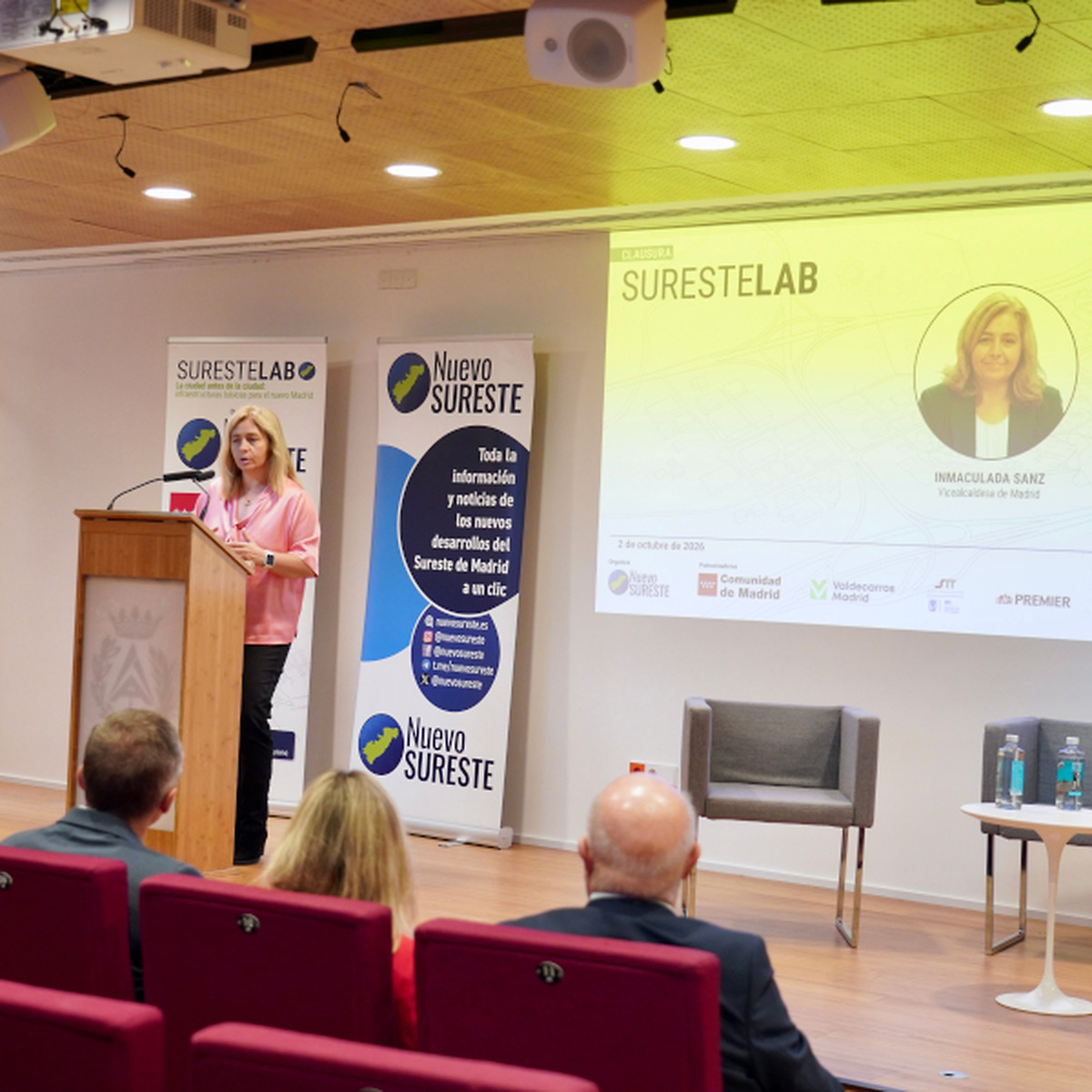
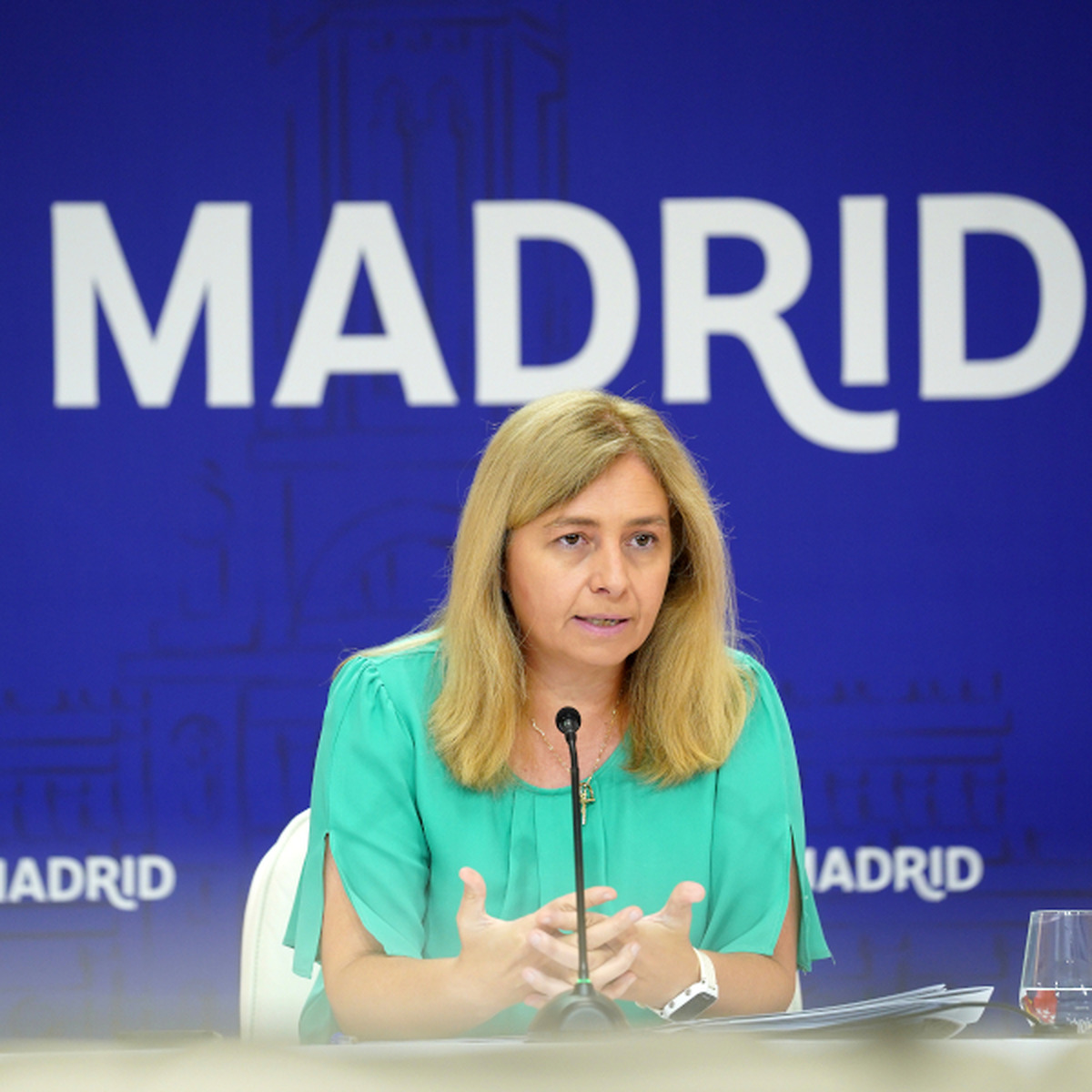
The consultation will last for 15 days, allowing citizens, professionals, and organizations to provide their input before the drafting process begins. The goal is to create a more systematic, clear, and comprehensible regulatory framework that can adapt to the city's evolving social, economic, technological, and environmental landscape, as explained by Deputy Mayor and municipal spokesperson, Inma Sanz.
Context of the Initiative
This initiative is part of a broader transformation of urban planning in the Community of Madrid and will be coordinated with the forthcoming Municipal Strategic Plan (PEM), which is expected to be initially approved in the first quarter of 2027. The 'Dream Madrid' Strategic Plan Office is leading this process with citizen participation and technical coordination involving professionals, experts, universities, and administrations.
The push for this new ordinance comes after nearly three decades of the 1997 General Urban Planning Plan, which has undergone numerous modifications and includes extensive regulations on urbanization, building, land use, interventions in protected buildings, aesthetics, and environmental protection. Currently, Madrid lacks a municipal urban ordinance that consolidates these regulations, which are instead dispersed across various sectoral ordinances.
Key Features of the Proposed Ordinance
The future ordinance may encompass several areas, including conditions for urbanization, land and building uses, permissible works, construction conditions, and obligations for conservation and rehabilitation. It will also address aesthetic conditions and interventions in protected properties.
The public consultation will seek opinions on whether Madrid needs a new urban ordinance, if detailed urban regulations should be governed by municipal ordinances, and which contents should be prioritized in the future text. Additionally, it will explore whether the primary objectives should be simplifying regulations, facilitating updates, improving legal security, enhancing public understanding, or adapting to new urban challenges.
Addressing Current Challenges
One of the significant changes proposed is to more clearly differentiate between the city's strategic planning and detailed urban regulations. Recent reforms in regional regulations have opened the door to transferring some normative content currently included in general plans to municipal urban ordinances. The Regional Development and Balanced Growth Law (LIDER), approved by the Madrid Community's Governing Council in July 2026 and currently under parliamentary review, supports this new model.
Under this framework, the Municipal Strategic Plan will handle strategic and structural determinations, while the future Municipal Urban Ordinance will cover detailed regulations. This separation will allow modifications to detailed regulations to be processed through the ordinance procedure without needing to alter the planning instrument.
The City Council has identified four main issues with the current model: the rigidity of detailed regulations integrated into the General Urban Planning Plan, litigation, the complexity and dispersion of norms, and the difficulties faced by citizens, professionals, and businesses in locating and understanding applicable regulations. The new ordinance aims to address these challenges by providing a coherent and unified text that facilitates updates, reduces contradictions between norms, and enhances legal security. Furthermore, the City Council plans to complement the future regulations with explanatory guides, digital consultation tools, simplified procedures, and public training and information initiatives, which will also be included in the consultation.