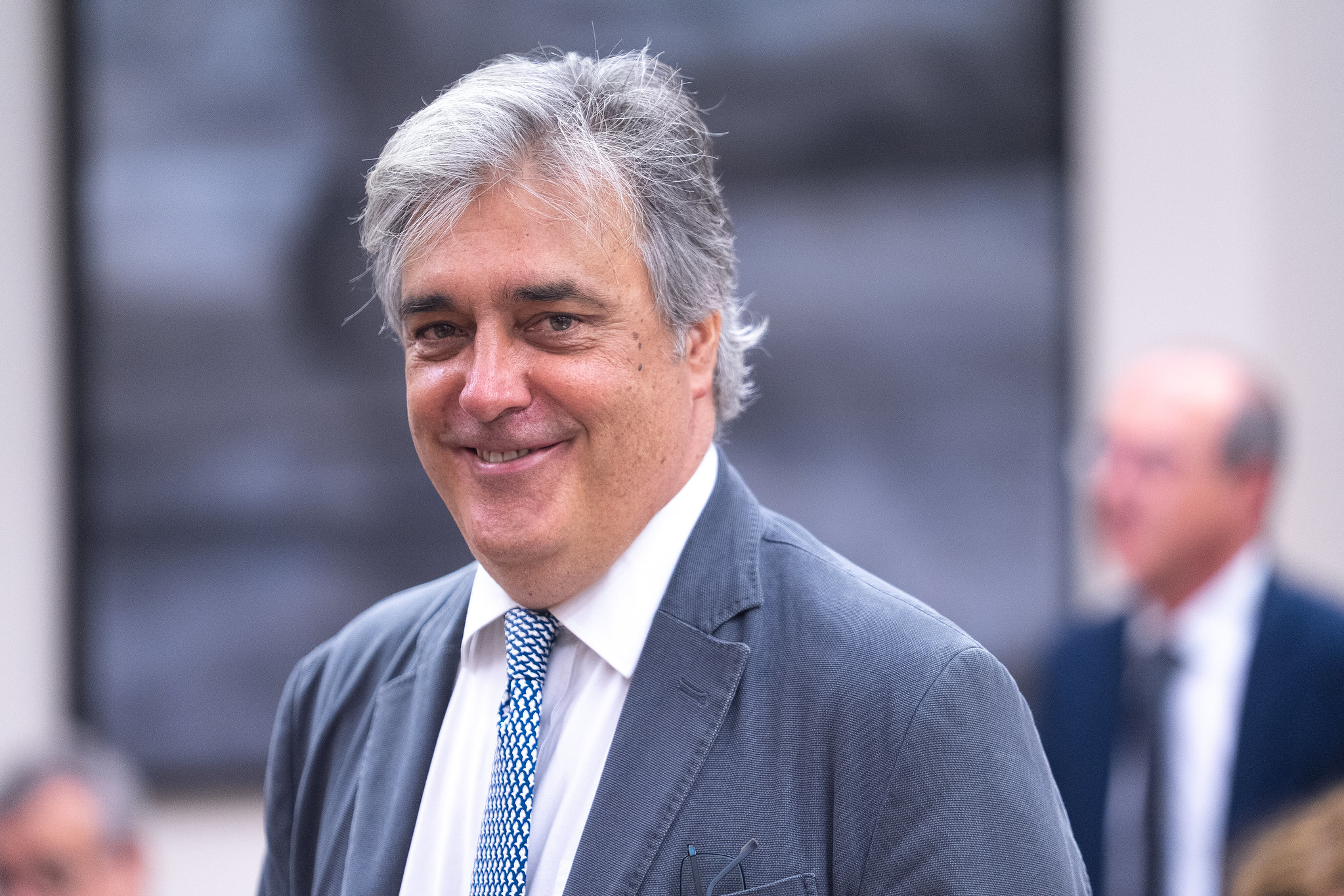
Pedro Puy has drawn an intriguing comparison between meteorology and economics, noting that both fields employ sophisticated scientific methods yet struggle to predict outcomes with precision. He referenced a common joke suggesting that the economy is as unpredictable as the weather, a sentiment that rings particularly true for economists.
Recent reports indicate that galicia faces a new climatic challenge in the form of hybrid storms, which are a combination of traditional Atlantic tempests and tropical cyclones approaching the peninsula from the west. This term, 'hybrid', has already been adopted in discussions of warfare, and it may soon find its way into political discourse.
Just as umbrellas—originally inspired by eastern parasols and popularised by the British in the last century—have become essential for navigating the unpredictable weather, so too have electoral tools from democracy, such as rallies, campaign posters, and debates, made their way across the Atlantic. However, new hybrid campaign strategies, emerging from both right-wing national populism and left-wing neopopulism, are challenging conventional democratic practices.
Puy expressed concern over the rise of political polarisation as a reckless strategy aimed at maximising votes, which undermines the possibility of achieving long-term consensus on critical issues such as pensions and energy transition. He noted the increasing partisan use of constitutional institutions that are meant to safeguard rights and maintain governmental oversight, as evidenced by ongoing disputes over appointments to the Constitutional Court and the General Council of the Judiciary.
Furthermore, the government has been accused of passing numerous Royal Decrees—some previously rejected by the full Congress—taking advantage of the Permanent Deputation's failure to reflect proportional representation as mandated by the Constitution. This artificial majority will soon vote on an additional seven Royal Decrees during the electoral campaign.
Puy also highlighted the manipulation of electoral constituencies for political gain, akin to the gerrymandering tactics popularised by Donald Trump, which have emerged in the form of expedited nationalisations allowing newly nationalised citizens to choose their voting constituency.
In a metaphorical twist, Puy referenced the success of umbrellas leading to a thriving industry that has produced various innovations, including the collaboration between umbrella manufacturer Brigg and Wilkinson, known for its razors, to create sword umbrellas. Interestingly, many of these products were exported to Spain, serving as a metaphor for the upcoming elections. Voters must decide whether to choose those who use umbrellas for their intended purpose—to shield from rain—or those who repurpose them into weapons that gradually tear at the fabric of democracy.