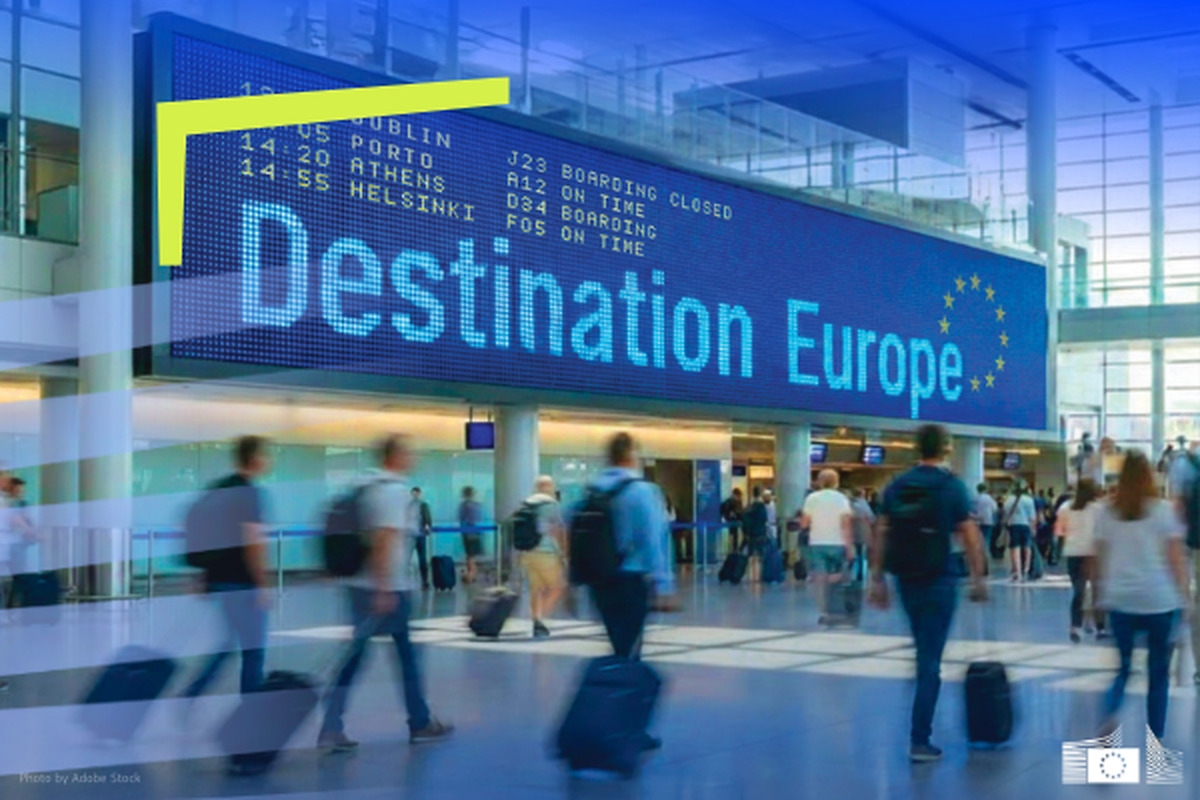
The European commission has introduced a new strategy aimed at bolstering the competitiveness, sustainability, and resilience of the tourism sector, with the goal of maintaining Europe as the premier tourist destination globally. This initiative, known as the EU Tourism Strategy for Sustainable Tourism, was presented on 4 November 2026.
The importance of tourism in Europe
Tourism is a vital sector for the European Union, contributing 10% of the EU's gross value added, supporting over 20 million jobs, and encompassing 5 million businesses, 99% of which are small and medium-sized enterprises (SMEs). Additionally, it promotes culture and enhances Europe's global influence. However, the sector faces challenges such as geopolitical uncertainty, cybersecurity threats, talent shortages, climate change, and uneven visitor distribution. SMEs particularly struggle with fragmentation, administrative burdens, and a lack of digitalisation.
Despite these challenges, interest in travel remains high, with 76% of Europeans planning to travel in the next six months. The new strategy aims to assist businesses, particularly SMEs, in accessing skills, digital tools, and data, while simplifying regulations and modernising the VAT applicable to the sector.
Key initiatives of the strategy
Among the flagship actions included in the strategy are the EU Tourism Academy, the EU Tourism Observatory, the European Common Data Space for Tourism, and the EU tourism simplification initiative. The commission is also working towards creating a barrier-free European travel space. Furthermore, a study on working conditions and salaries in the sector is expected to be published in 2028.
Promoting balanced tourism
The strategy aims to align visitor flows with the capacity of each destination, benefiting tourists, businesses, and local communities. The commission will support destinations in distributing tourists across various locations and promoting year-round travel while enhancing preparedness for crises, which will also benefit lesser-known destinations. Actions include developing a model for tourism management, a council recommendation, and a set of common guidelines, particularly concerning short-term rentals, which will be ready by next summer. Additionally, a Cooperation Dialogue on Cruises and a EU coordination network for tourism crises will be established, alongside efforts to enhance accessible tourism.
Strengthening Europe as a destination
Europe accounts for approximately 40% of international tourist arrivals but faces competition from major destinations that present a unified identity. The strategy aims to enhance Europe's appeal through stronger international cooperation with organisations such as the World Tourism Organization (UNWTO), OECD, and UN Tourism, as well as partnerships with regions like Central Asia, India, and Japan. The promotion will occur under the framework of 'Destination Europe,' which aims to boost Europe's visibility without replacing national and regional promotions. Furthermore, the European Capitals of Tourism Awards will be established.
A new EU Tourism Alliance will bring together authorities, European institutions, businesses, and civil society. The commission will continue to support the sector through EU funding programmes, with an estimated €18 billion allocated to tourism from 2021 to 2027. While tourism primarily falls under the jurisdiction of member states and regions, the strategy focuses on areas where joint action can provide added value without harmonising national legislation.